Instrument Flight

Non-Published Approaches

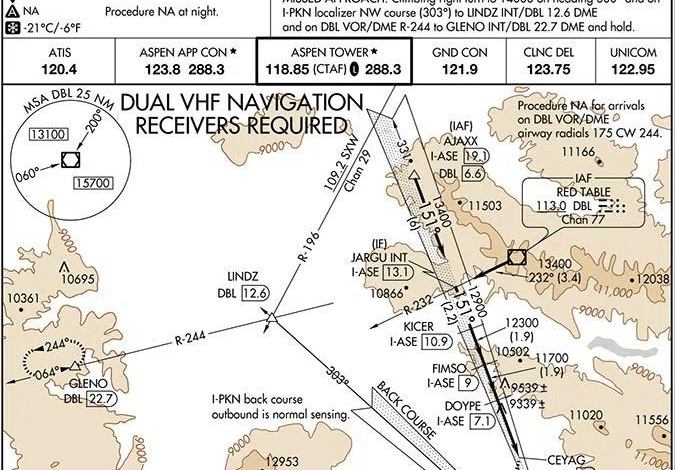
When an instrument-rated pilot thinks of an approach, he or she likely pictures a so-called standard instrument approach procedure, or SIAP, the published approaches we all have come to know and “love.” A SIAP is described in FAR Part 97 and in published charting data available from the FAA and Jeppesen, for example. Standard approach […]

Read More »

Garmin Adds New Features And Capabilities To Its GI 275 Display

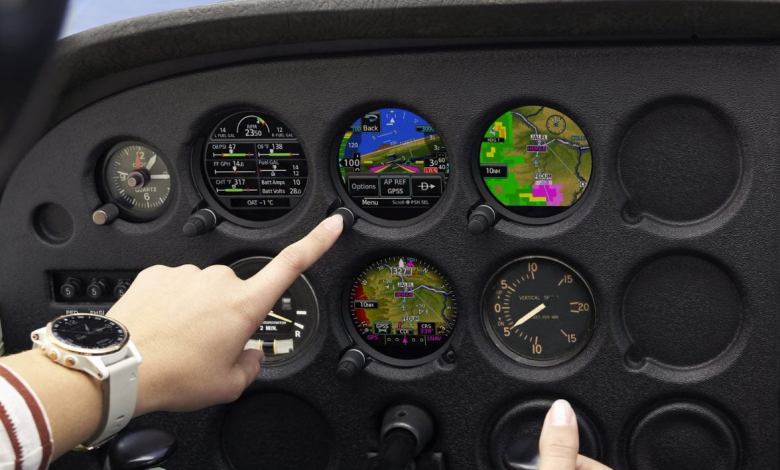
Garmin has upgraded its GI 275 electronic instrument with a supplemental type certificate (STC) adding a number of enhancements and new capabilities via a software update. With a compatible transponder such as the GTX 345, GTX 345R and GTX 45R, pilots can now control transponder squawk code settings, function, Ident and flight ID with the touchscreen GI 275. This can be particularly helpful if the transponder […]

Read More »

The New IFR: Train For How You’ll Fly

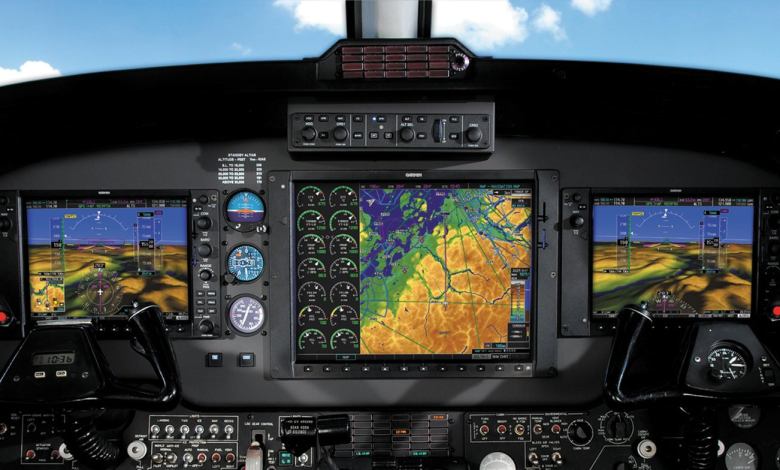
At no time in aeronautical history have pilots had a wider choice when it comes to the type and capabilities of the cockpit presentation when they fly IFR. For an instrument-rated pilot who wants to rent from the local FBO, the avionics variety means that the checkout may take some time as he learns how […]

Read More »

Partial Panel In The Glass Age

Before glass panels, specifically Primary Flight Displays (PFD) and Multi-Functional Displays (MFD), partial panel in round-gauge, six-pack panels meant losing the attitude (AI) and heading (HI) indicators as a result of losing the only vacuum pump. We dreaded when the CFII or examiner pulled out those pesky round rubber instrument covers with suction cups and […]

Read More »

Airspace Review

The first thing that might be on your mind is; “Aren’t there fewer rules if you are IFR?” Well, kind of. The main example is if you are IFR, you need not worry about weather requirements for entering certain airspaces. An IFR clearance in itself provides separation from other aircraft and obstacle clearance in all […]

Read More »

Safety Pilot Rules

Schedules, climate, and other factors can limit our ability to maintain instrument currency in actual instrument conditions. The FAA allows us to maintain currency by using flight simulators and training deices without an instructor, but not all of us have access to an acceptable device. Besides, it is much more fun to fly an airplane […]

Read More »

The Power Of Paint

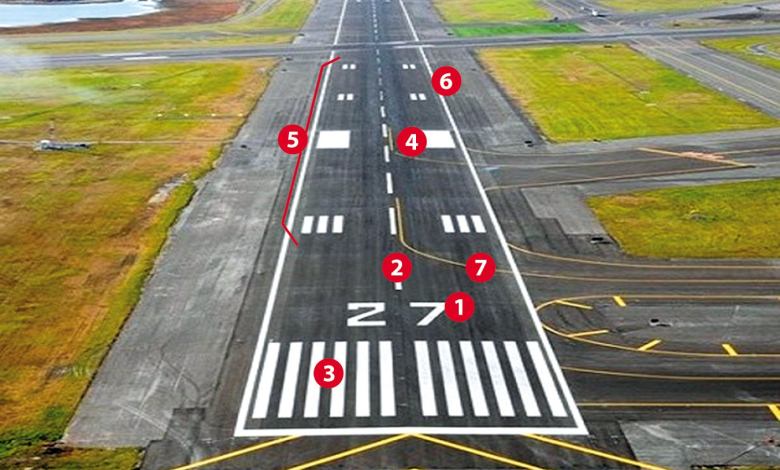
Look at the RNAV (GPS)–A approach at Naples, FL (KAPF). Seems like it is a straight-in approach to Runway 32 but it only has circling minimums. There are three conditions stated in the FAA Instrument Procedures Handbook (FAA-H8038-16B) preventing straight-in minimums: 1) The final approach course alignment with the runway centerline exceeds 30 degrees, which […]

Read More »

Thoughts On Falling Behind

We’ve all told apocryphal stories of pilots falling so far behind the airplane that they were only holding on by the static wicks. Amusing as these tales may be, falling behind is a major cause of accidents and incidents. There are two reasons for finding yourself in this unenviable situation: Either the airplane is going […]

Read More »

Thoughts Interrupted?

Distractions are a dangerous element in flying, whether IFR or VFR. A distraction is the process of diverting one’s attention from a required area of focus or task— thereby hindering, or even completely blocking the reception of vital information or addressing a critical task. Mental interruptions may be caused by several things; the lack of […]

Read More »
Sign-up for newsletters & special offers!

Get the latest stories & special offers delivered directly to your inbox

SUBSCRIBE