















Best Of The Web: Why Not Circular Runways?

Gemini Sparkle

Key Takeaways:

  • Early aviation primarily avoided crosswind landings by utilizing large, open fields, a practice that changed with the advent of paved runways in the 1930s.
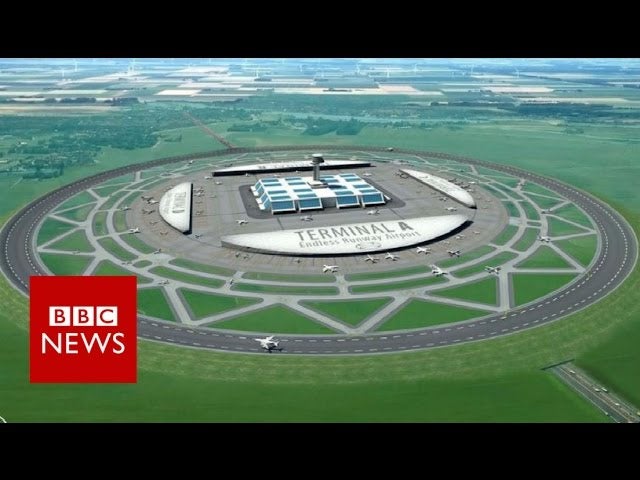
  • The idea of a circular runway, designed to always offer a segment aligned with the wind, is a recurring concept, as highlighted by expert Henk Hesselink.
  • While theoretically interesting, the practical implementation of circular runways is generally considered unlikely.
See a mistake? Contact us.
https://www.youtube.com/watch?v=gNbtHxjOXe0

In the early days of aviation, a crosswind landing was kind of an unknown thing. That’s because flying fields were large enough squares or circles to point the airplane directly into the wind or takeoff for landing. That standard persisted well into the 1930s until paved runways became more or less standard, at least at big airports.

But the concept of the circular runway, a segment of which would always be pointed upwind, surfaces from time to time as it does in this BBC video with Dutch aviation expert Henk Hesselink of the Netherlands Aerospace Centre. Fat chance it will ever happen, but it’s amusing nonetheless to consider the possibilities.

Sign-up for newsletters & special offers!

Get the latest stories & special offers delivered directly to your inbox

SUBSCRIBE