















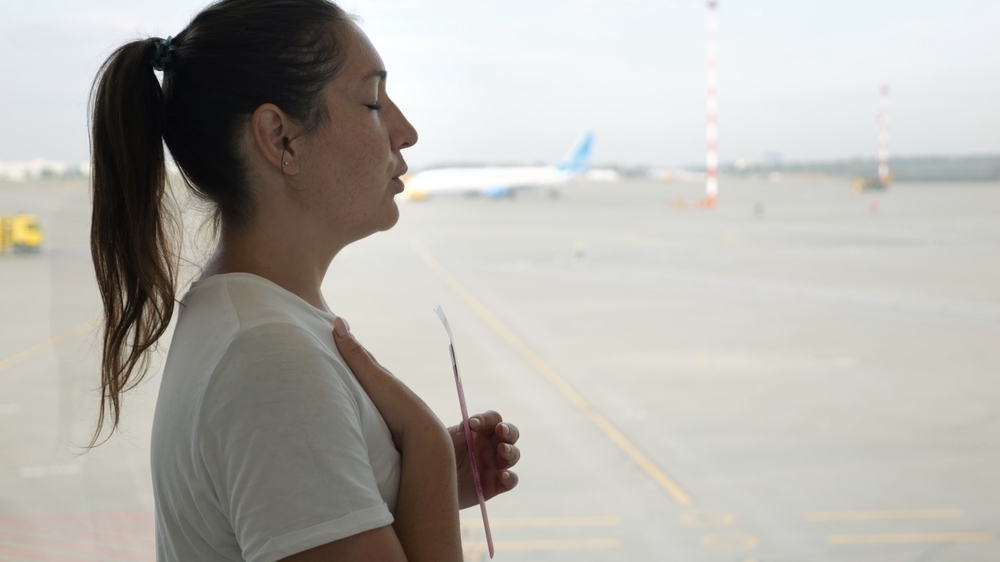

Video: The Neuroscience of Flight Anxiety

In the cockpit, what feels routine to a pilot can feel anything but to our passengers.

Video: The Neuroscience of Flight Anxiety
[Credit: Lenar Nigmatullin | Shutterstock]
Gemini Sparkle

Key Takeaways:

  • What is routine for pilots can be a source of anxiety for passengers, as their perception of flying is shaped by expectations, media, and past experiences.
  • Behavioral psychologist Dr. Jessica Cail highlights the importance of calm communication from pilots to address passenger unease.
  • Effective passenger briefings extend beyond safety information, playing a critical role in building trust between pilots and those flying with them.
See a mistake? Contact us.

How can we help our nervous passengers? In the cockpit, what feels routine to a pilot can feel anything but to those flying with us.

Join behavioral psychologist Dr. Jessica Cail of Pepperdine University as she talks with AVweb about what makes some passengers uneasy, why calm communication from the pilot matters, and how expectations, headlines and past experiences can shape fear in the cabin.

It’s a useful reminder that a good passenger briefing isn’t just about safety, but also about trust.

Sign-up for newsletters & special offers!

Get the latest stories & special offers delivered directly to your inbox

SUBSCRIBE