















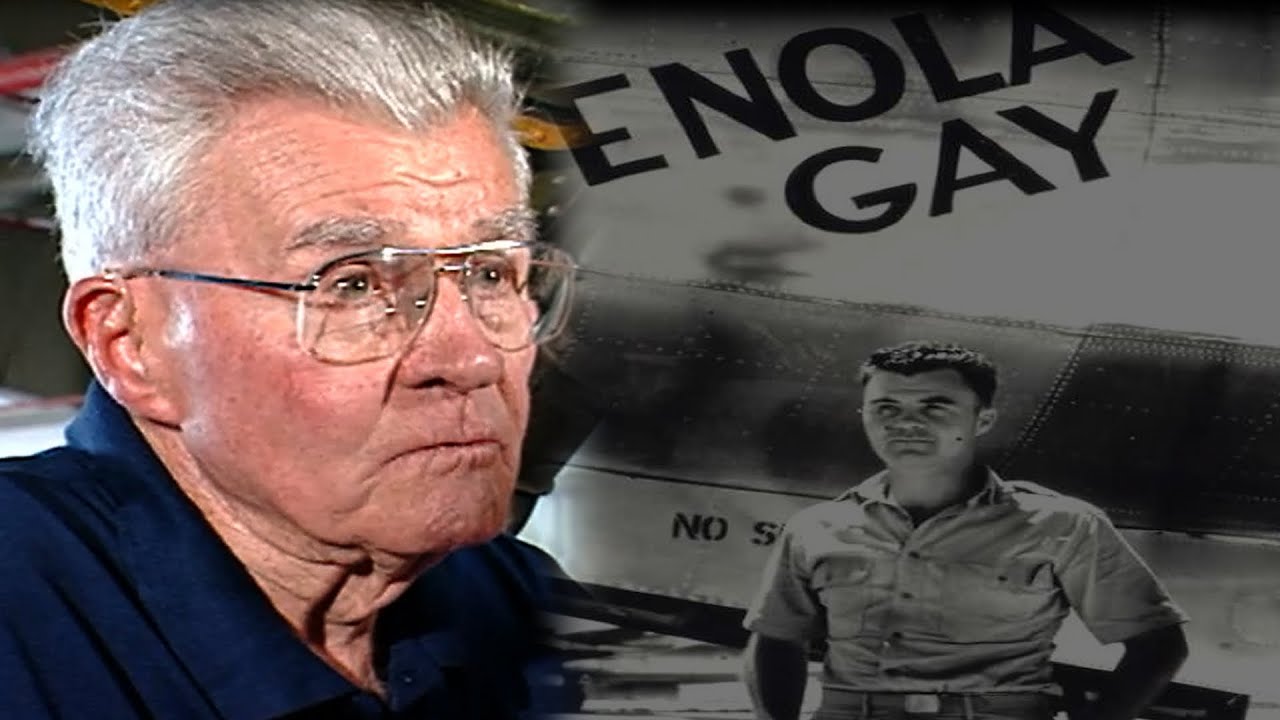

Even pilots with only a casual knowledge of World War II will know who Paul Tibbets was. We’ve all seen the famous photo, frozen in time by a flashbulb, of his departure from Tinian island in a B-29 named the Enola Gay. Twelve hours later, after bombing Hiroshima with the first nuclear weapon, Tibbets returned to a changed world.
Most of us do not know that in addition to overseeing the Hiroshima mission, Tibbets, then a 28-year-old colonel, was also instrumental in saving the B-29 program. As he describes in this video produced by aviation historian and collector Kermit Weeks, even as late as 1943, the B-29 program was in serious trouble. The airplane represented the most expensive development program during World War II—yes, more expensive than the Manhattan project—and Boeing was having such difficulty completing it for volume manufacture that it wanted out of the program. Tibbets was assigned to Wichita to help get the airplane back on track.
Although he doesn’t mention it in this video, by early 1943, Tibbets had already accumulated 25 combat missions in Europe and had been Gen. George S. Patton’s personal pilot earlier in the war. His competence and leadership skills caught the attention of Gen. Hap Arnold and Gen. Jimmy Doolittle and he was ordered to return to the U.S. to help with the B-29. At the time of that assignment, he was unaware of the Manhattan project nor that a super weapon was under development. He was assigned to what became known as Project Silver Plate in September 1944, less than a year before the bomb was first deployed. Silver Plate was the code name for developmental work on bomb delivery and it gave Tibbets a blank check for acquiring men and equipment.
Tibbets had a daunting task. He had to devise from scratch the means to deploy the new weapon and assemble and train the units to do it, all under an airtight shroud of security with little or no guidance from command, since command knew less than he did about the requirements. In this second video, Tibbets explains some of the details of the weapon and in this more expansive interview from the Atomic Heritage, he further explains the arc of his impressive career. He ranks as one of the giants of World War II leadership but was overshadowed by more celebrated military figures.

