














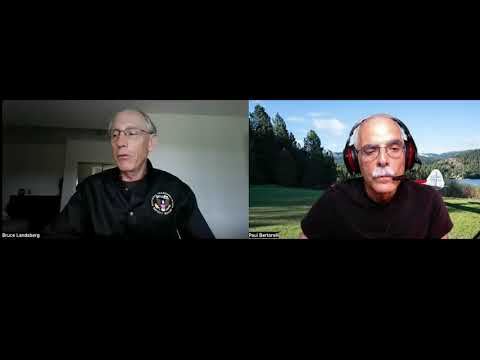

On July 7, 2022, the NTSB released the final report on the Dale Snodgrass crash in Lewiston, Idaho, in July 2021. As many expected, it found that the crash was caused because the pilot failed to remove the control lock during his preflight and then failed to perform a full flight control check to catch the error. In this interview with NTSB Vice Chairman Bruce Landsberg, he reveals that the only thing unusual about the accident was the pilot was a high-time, accomplished military aviator with thousands of jet hours flown in high-risk environments. Unfortunately, we’ve seen this all too often before, and Landsberg also discusses a Gulfstream IV accident that killed seven in 2014. Same reason. Snodgrass’ legacy may be the positive one of shocking pilots into taking control checks seriously.
CLARIFICATION: Vice Chairman Landsberg said the aircraft didn’t burn after the crash. However, there was a post-crash fire that partially burned the wreckage, but not to the extent that hampered the investigation.
