














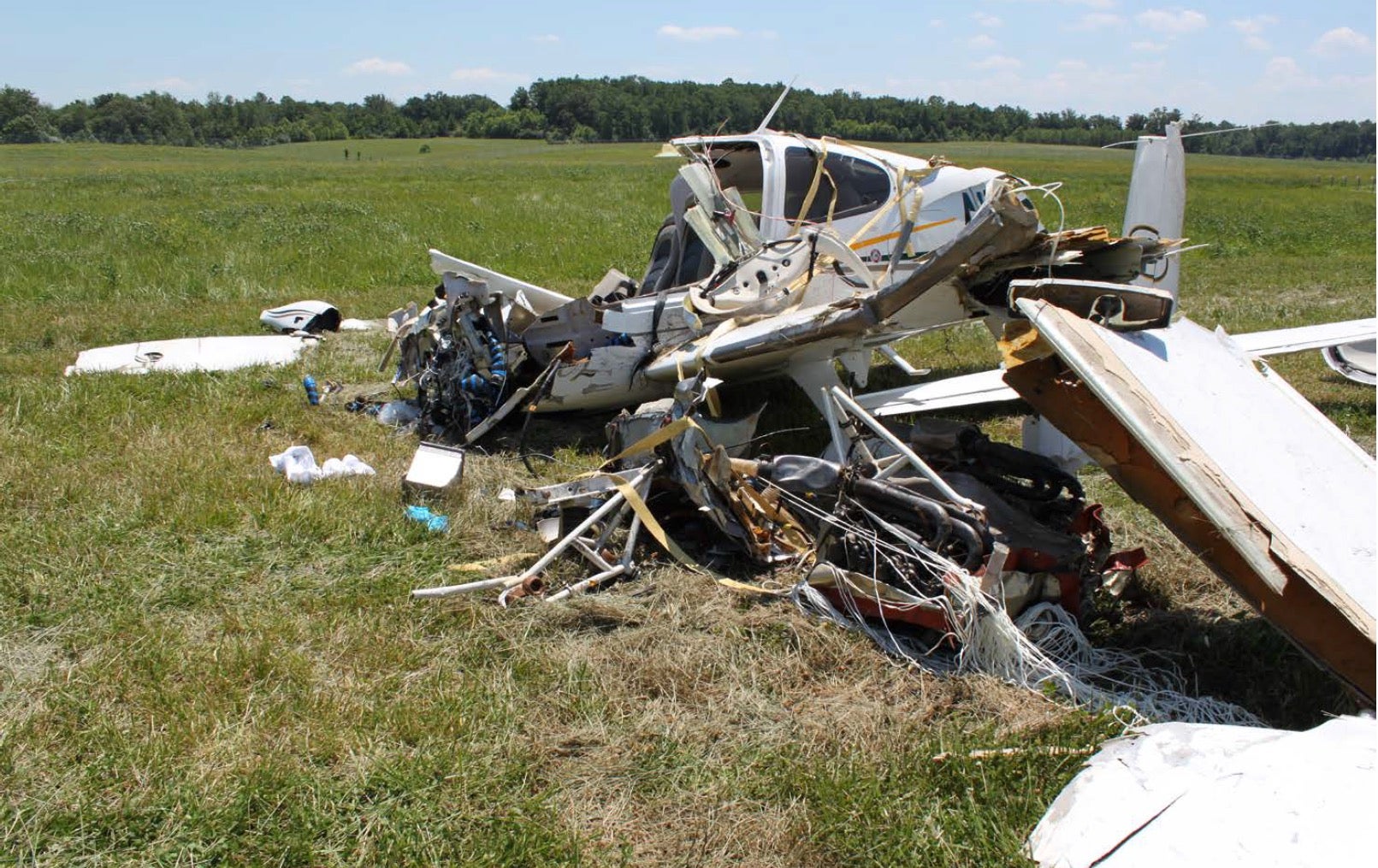

Anyone who studies aircraft accidents in detail will eventually get around to observing that pilots are trained (a) to pass checkrides and (b) to minimal standards to accomplish that. That’s especially true of stall training, which emphasizes recovery rather than avoidance.
In this podcast, the third of a five-part series on stall awareness, we talked to Rich Stowell, a nationally recognized expert on upset recovery, stalls and especially spins, of which he has done thousands.
“Since the early 1990s, there’s been a movement toward incorporating stall/spin awareness training throughout all the different levels of pilot training. But I think the problem is a lot of that information doesn’t get translated into the training environment. We’re not doing as good a job as we can in getting that information to the pilots,” Stowell says.

And one source of that information, he says, was developed and updated by the FAA in the early 1990s and is found in Advisory Circular 61-67C. “It talks a lot about training exercises that should be incorporated into training,” Stowell adds.
