
















  |
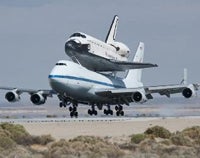
AVweb spoke this week with NASA Shuttle Carrier Aircraft (SCA) pilot Bill Brockett about his experience transporting Space Shuttles atop NASA’s modified Boeing 747, from flight characteristics to emergency procedures. Brockett said NASA’s SCA climbs at about 800 fpm with a Shuttle strapped to its back and the aircraft’s handling is different in a number of respects. Takeoff distances can exceed 11,000 feet. The fixed vertical stabilizers added to the tail offer significant increases in yaw stability but also encourage good pilots to “cheat” with asymmetric thrust when turning the aircraft to keep the ball centered. A Space Shuttle can weigh anywhere from roughly 165,000 pounds to 230,000 when its transported, depending on the mission, and if an SCA loses an engine, the situation becomes critical, quickly. That happened once.
This podcast is brought to you by Bose Corporation.


Duration:
File Size: download here

