images: USAF
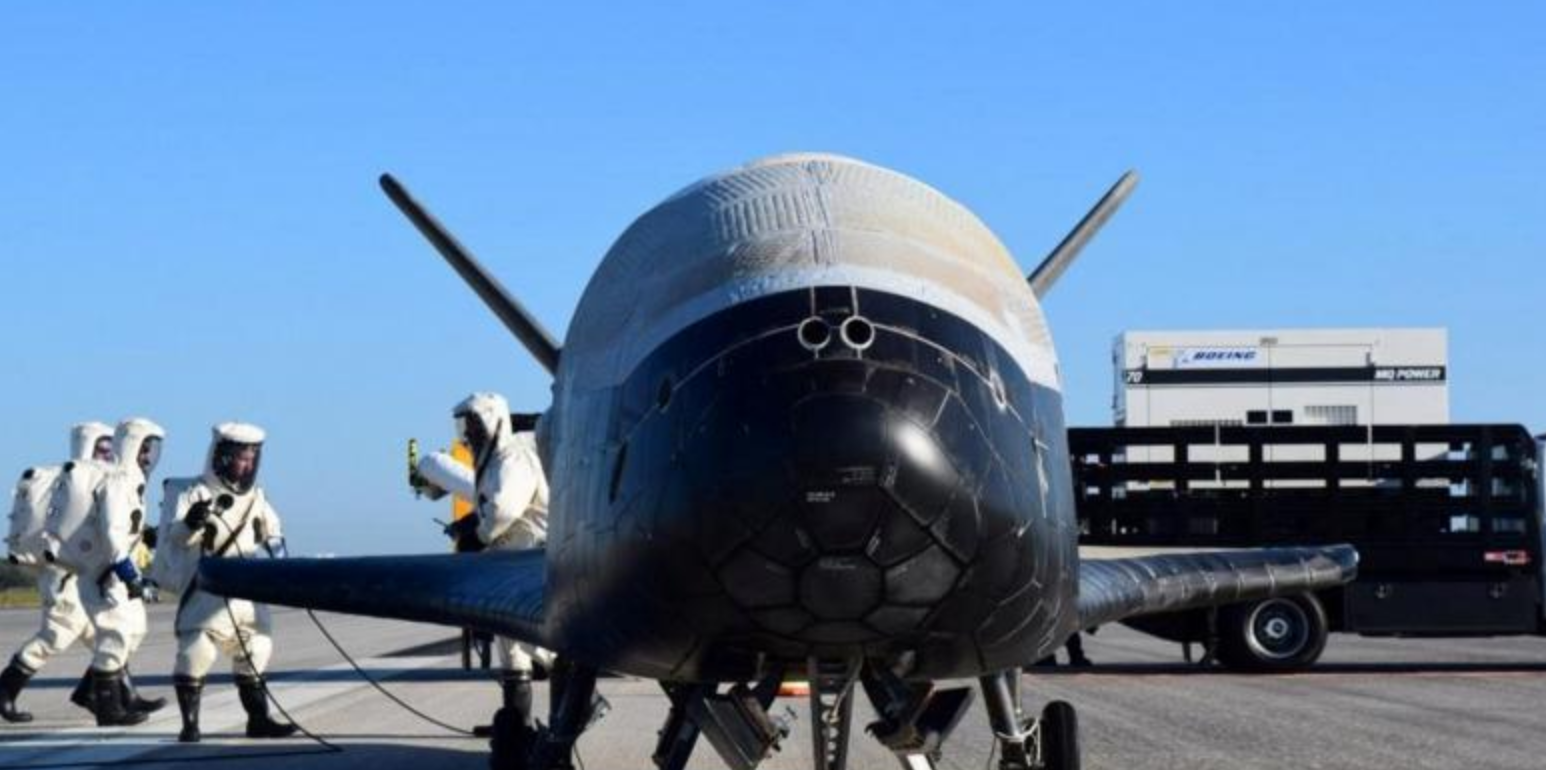
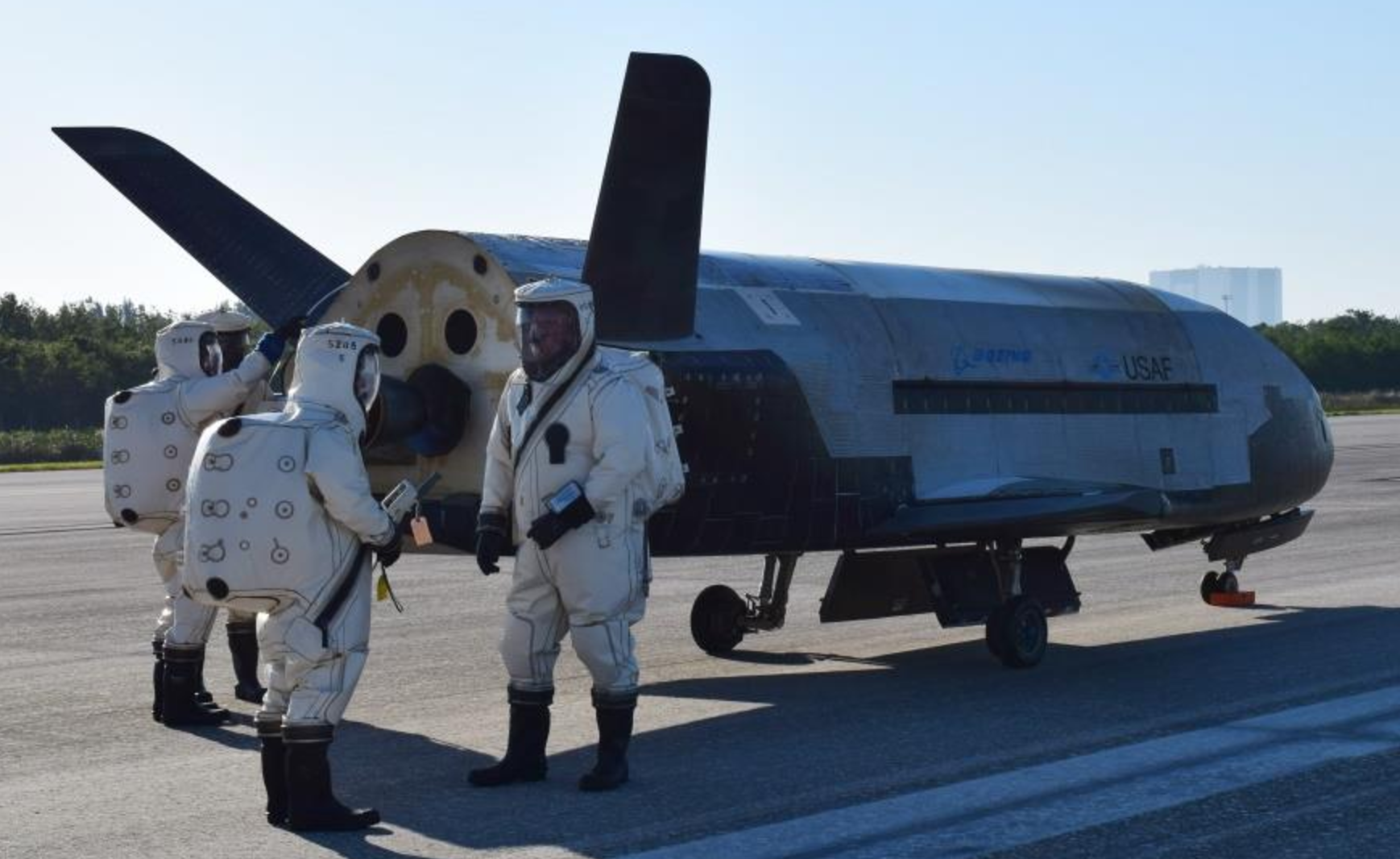
The X-37B, an orbital unmanned spacecraft developed by the U.S. Air Force, has landed safely in Florida after completing its fourth mission, spending nearly two years (718 days) in space, the Air Force said on Sunday. “This mission once again set an on-orbit endurance record and marks the vehicle’s first landing in the state of Florida,” said Lt. Col. Ron Fehlen, X-37B program manager. Previously, it landed in California. “We are incredibly pleased with the performance of the space vehicle and are excited about the data gathered to support the scientific and space communities.” The Air Force has released little information about what the X-37B has been doing during its time in space, saying only that it “performs risk reduction, experimentation and concept of operations development for reusable space vehicle technologies.” On its approach to land just before 8 a.m. Sunday morning, the plane generated a sonic boom that startled locals, CNN reported.
Randy Walden, the director of the Air Force Rapid Capabilities Office, said the X-37B has demonstrated “the ability to land, refurbish, and launch from the same location, [which] further enhances the [Orbital Test Vehicle]’s ability to rapidly integrate and qualify new space technologies.” The Air Force is preparing to launch the fifth X-37B mission from Cape Canaveral Air Force Station, Florida, later this year. The OTV has spent a total of 2,085 days in space. It’s about 29 feet from nose to tail, about one-quarter the size of the Space Shuttle. The OTV is built by Boeing and uses Atlas V rockets.