
















A bipartisan group of lawmakers introduced legislation Thursday that would require the FAA to review federal policies covering temporary obstructions in low-altitude airspace.
Sens. Jeff Merkley, D-Ore., and John Curtis, R-Utah, introduced the McCarty and Heideman Air Safety Enhancement Act alongside House sponsors Reps. Cliff Bentz, R-Ore., and Val Hoyle, D-Ore.
FAA Review and Deadlines
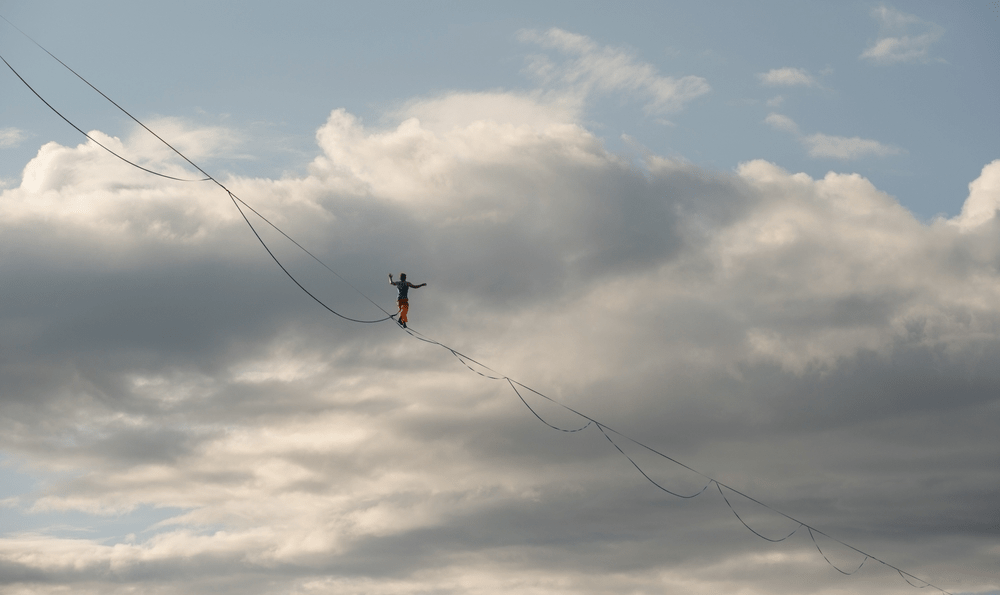
The bill would give the FAA six months after enactment to assess whether existing marking and lighting policies adequately address slacklines, highlines, wires and similar temporary obstructions. The agency would also consider improvements to NOTAMs, obstacle databases and the digital depiction of hazards in flight-planning software, electronic flight bags and installed avionics.
The review would include consultation with general aviation pilots and aircraft owners, helicopter operators, air medical providers, agricultural aviation operators and uncrewed-aircraft operators. The FAA would have one year after enactment to update regulations, guidance or policies if the agency determines that existing marking and lighting requirements are inadequate. A congressional briefing would follow within 90 days of the review’s completion.
Fatal Arizona Accident
The legislation follows a Jan. 2 helicopter accident near Superior, Arizona, that killed pilot David McCarty and his three nieces, Rachel McCarty, Faith McCarty and Katelyn Heideman. The helicopter struck a slackline suspended across Telegraph Canyon. An active NOTAM described a “tightrope” in the area, and federal records indicated that the line was to be flagged and lighted. The NTSB investigation remains underway.
“Improving situational awareness is one of the most effective ways to reduce risk,” Vertical Aviation International President and CEO François Lassale said Friday. “Pilots need timely, accurate and accessible information about hazards in the airspace where they operate.”
VAI said it organized a coalition of 37 aviation associations after the accident to seek a federal review of suspended hazards.


Why didn’t existing laws apply?
Including for health hazards to aviators and rope walkers.