
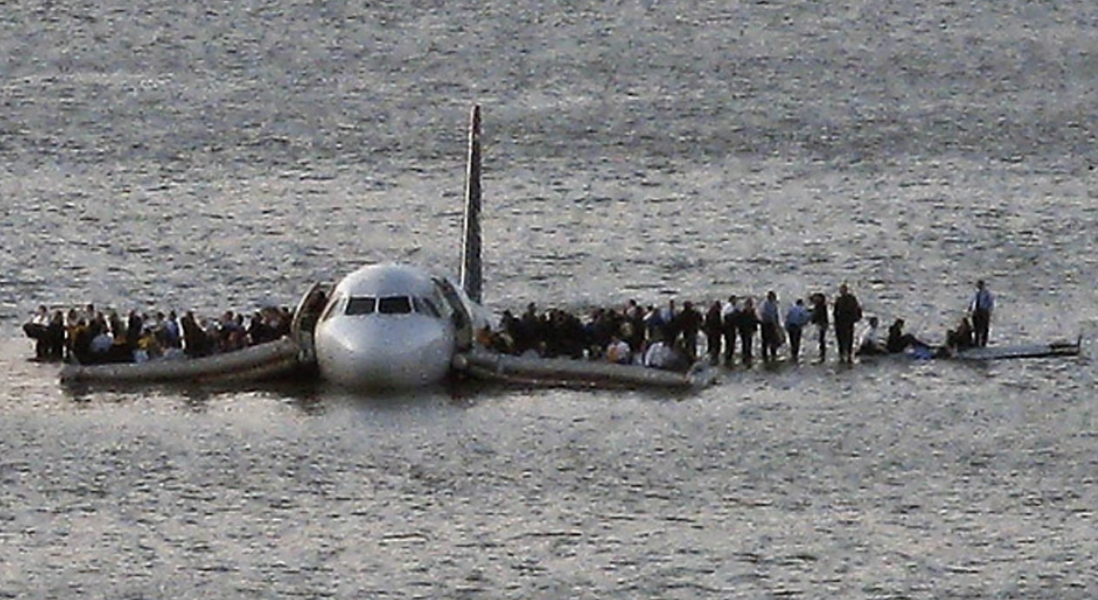
Turbofan engines for airplanes should be required to pass tests showing they could keep flying after ingesting a medium-sized bird during climb-out or landing, the FAA said in a proposed rule published on Friday. The proposal is based on a 2015 report following the “Miracle on the Hudson” flight in 2009, when an Airbus A320 struck a flock of Canada geese during climb-out, and lost power in both engines. The report found that modern jet engines, like those on the A320, have wider fan-blade chords than those that were tested to develop the current bird-ingestion standards. Also, the current tests are conducted only at 100 percent power settings. The tests should be updated, the FAA said.
The FAA said engine manufacturers have the capability of complying with the proposed rule. The rule would generate costs of about $4 million per year, by the FAA’s estimate, but would produce benefits of about $5 million a year. Chesley Sullenberger, captain of the A320, told CBS News in a 2016 interview that the NTSB had made 35 recommendations to improve safety after his emergency ditching on the Hudson River, but only a few had been acted on. “The bottom line ultimately is that the airlines, in a very cost-competitive industry, are reluctant to take on additional safety measures that they view as a burden or an additional cost,” Sullenberger said at the time.