
















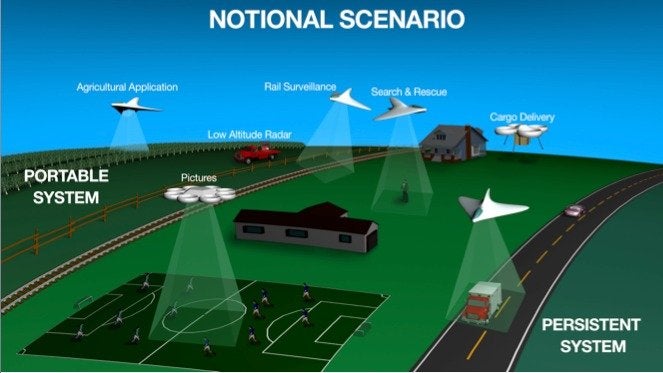
Amazon, Google and plenty of others are eager to use drones; the FAA is facing a deadline to allow them into the airspace; pilots are worried about how this will affect them — and amid all this worrying, NASA scientists are working on new technology that could solve the problem. The solution, says NASA’s Parimal Kopardekar, is to create what is essentially a separate system to manage the airspace between the surface and 1,000 feet. The concept now in the works, the Unmanned Aerial System Traffic Management system, or UTM (PDF), aims to safely enable UAS operations within this low-altitude airspace within five years. Within 10 to 15 years, the goal is “to safely enable the anticipated dramatic increase in density of all low-altitude airspace operations,” according to NASA’s fact sheet.
NASA is collaborating closely with the FAA to develop the UTM, and when it is thoroughly tested a prototype will be transferred to the FAA — the plan is, by 2019. The system will enable low-altitude aircraft to operate autonomously for the most part, with limited need for human oversight. The NASA project is working on two types of systems — a portable system for operations such as agriculture and disaster relief, which could be ready for testing within the next year or so, and a permanent system that would provide continuous support for low-altitude UAS operations across a geographical area, which could start field tests with private-sector partners as soon as 2016.

