
















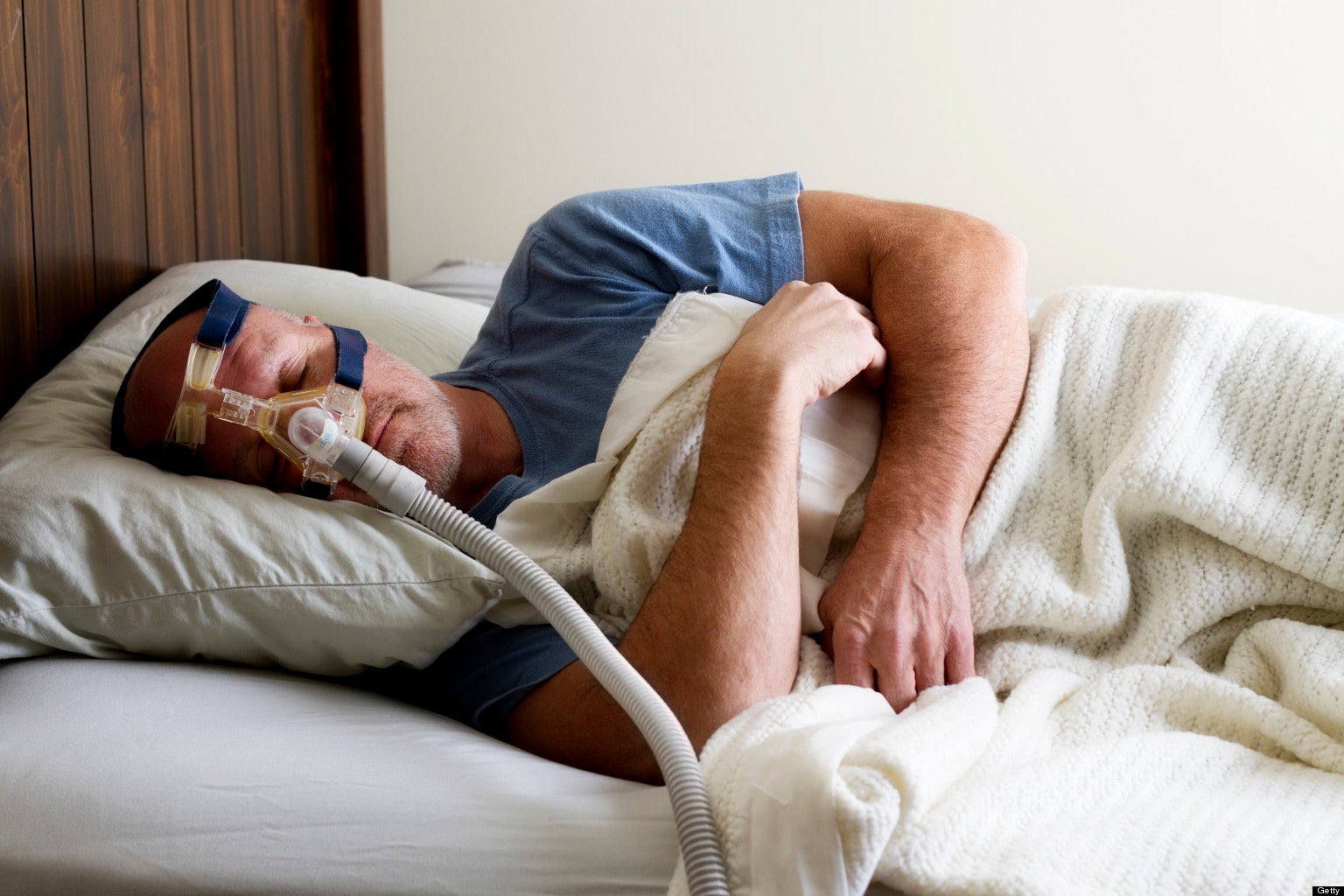
AOPA is reporting that a group of senators has introduced a bill that would require the FAA to follow rulemaking procedures before it could adopt its much-maligned new standard for expensive sleep apnea testing for pilots. The Senate bill, introduced by members of the bipartisan General Aviation Caucus, Joe Manchin, D-W.Va., and Jim Inhofe, R-Okla., with co-sponsors Mike Johanns, R-Neb., and Mark Begich, D-Alaska, mirrors that of a recently introduced House bill that was voted upon favorably in committee and is positioned for a vote in the full house. Manchin said, Its just common sense to let the pilot community provide public feedback during the rulemaking process before the FAA finalizes any new guidelines.”
Congressional action comes in response to the FAAs unilateral announcement of a policy that would require pilots with a body mass index (BMI) of 40 or greater to undergo intrusive sleep apnea testing, estimated to cost $3000. The FAA initially said it planned to lower the BMI requirement to 30 over time, potentially affecting more than 120,000 pilots. The reaction form the aviation community has been vociferous and overwhelmingly negative with demands from numerous organizations that the FAA withdraw the policy or submit it to the rulemaking process. The FAA has so far failed to identify any accident due to sleep apnea, but has relied on one airline event in which both pilots fell asleep during the en route phase, one due to sleep apnea. That event did not result in the FAA changing its policies on crew duty time.

