Technique

FAA Cool On More Helicopter Regs In L.A.

The FAA says cooperation, not regulation, is the answer to quelling complaints about helicopter operations throughout the Los Angeles basin. The agency released a report that rejected proposals to channel helicopter traffic into defined routes to address noise and the perception of dangerous operations. There are dozens of helicopter tour operators and news outlets whose […]

Read More »

Huerta Reminds Pilots To Fly Safe

In an open letter to the general aviation community sent just before the Memorial Day weekend, FAA Administrator Michael Huerta asked each pilot to “make sure you’re ready — really ready — to fly.” The letter (PDF) noted that GA accident rates have remained “stubbornly flat” in recent years and asked everyone in the GA […]

Read More »

Big Blows

Flying safely in high wind conditions is a matter of adopting the proper technique for your aircraft’s weight and configuration. One complication with which we pilots must always contend is wind. It can complicate a takeoff or landing, force heading changes while en route, mandate a fuel stop when stronger than forecast and make an […]

Read More »

Automating Weather

Properly managing risk is essential to successfully pursuing life’s more exciting adventures. Activities such as scuba diving, downhill skiing, motorcycling, mountaineering and, of course, flying, all entail elements of risk which we must consider and manage if the thrills we seek are to be experienced more than once. But risk management often is poorly understood: […]

Read More »

When The Lights Go Out

Handling in-flight electrical failures requires knowing the affected systems and where good weather is. Radio silence: that’s what most pilots say got their attention and made them realize they had encountered an in-flight electrical failure. Too bad, because by the time the radios no longer worked, odds are that your electrical system had sucked all […]

Read More »

FAA/AOPA Committee Pushes AOA

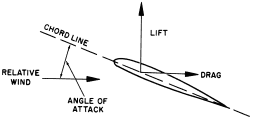
A report on approach and landing loss-of-control accidents has emerged from a work group co-chaired by the FAA and AOPA, recommending that GA “embrace to the fullest extent” angle-of-attack (AOA) systems and work to improve pilot decision making. Theworkgroup advises the General Aviation Joint Steering Committee. Its focus was derived from an FAA overview that […]

Read More »

NTSB Issues Five Safety Alerts For GA Pilots And Mechanics

The NTSB issued five safety alerts on Tuesday that aim to highlight the five most frequent errors that cause general aviation accidents. “We see the same types of accidents over and over again,” said NTSB Chairman Deborah Hersman. “What’s especially tragic is that so many of these accidents are entirely preventable.” The alerts remind pilots […]

Read More »

Air Charts Stops Atlas Production

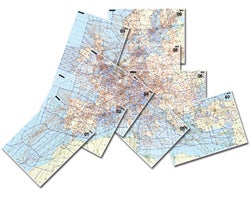
Popular aviation charts vendor Air Chart Systems has sent a notice to its subscribers that it’s ceasing publication of the spiral-bound paper atlases that were its signature product for more than 50 years. In a note attached to the March 7 electronic update of en route charts and approach plates, the company suggests it’s out […]

Read More »

A Schedule Not Kept

An old and often-used justification for owning a light General Aviation aircraft is the ability to bypass the automobile and the airlines in order to spend valuable time in a more productive manner. This rationalization focuses on the time savings created by flying oneself. Thus, according to the reasoning, it is possible to easily meet […]

Read More »
Sign-up for newsletters & special offers!

Get the latest stories & special offers delivered directly to your inbox

SUBSCRIBE