
















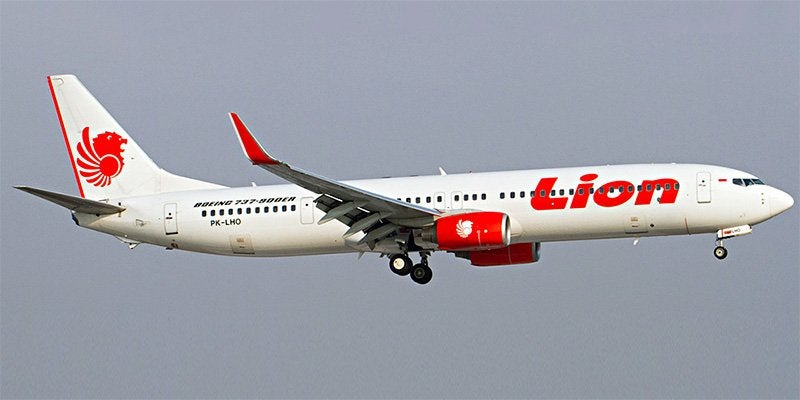
The Wall Street Journal (subscription required) is reportingthe return to service of the Boeing 737 MAX is being pushed back because something in the investigation has prompted a review of training in the previous model. There are more than 5,000 Boeing 737NG models in use all over the world and the safety record of the type is considered good. The news clearly annoyed Boeing. “While we are working with the FAA to review all procedures, the safety of the 737 NG is not in question,” a Boeing spokesman told the Journal’s Andy Pasztor. The spokesman also noted “its 20-plus years of service and 200 million flight hours.” Earlier this week, acting FAA Administrator Dan Elwell said the FAA was going to take its time with the MAX investigation and he wasn’t concerned if it took another year.
The revisiting of procedures for a 20-year-old design was prompted by the fact that emergency training for the MAX was largely based on that from the NG. The NGs don’t have the MCAS system that is at the root of the investigation but the Journal says some of the MAX procedures are based on an assumption that pilots would know what to do (stabilizer trim cutoff switches) within seconds of the nose going down for no apparent reason. The Journal says the FAA is looking at whether the software fix for the MAX will give pilots more time, about 20 seconds, to react.
Meanwhile, pilots unions have told Boeing to stop blaming the pilots for the two fatal crashes that prompted this ever-expanding investigation. The crews of Lion Air 610 and Ethiopian Airlines 302 fought a losing battle to try and overcome the persistent nose-down actions of the MCAS resulting in 346 deaths and top Boeing officials have said some of that’s on the pilots. “Shame on you … we’re going to call you out on it,” Dennis Tajer, head of the Allied Pilots Association, which represents American Airlines pilots, told CNN. “That’s a poisoned, diseased philosophy.”

