

















As a member of the Aviation Safety Council, we have monthly safety meetings where we discuss issues and incidents involving flight training crews ‘weather, technical issues, and human factors. I recently asked myself what kind of skills and knowledge would be useful in this type of situation, and how to remain calm and make the right decisions.
As a Part 141 flight school, we have an FAA-approved Multi-Engine Add-On course that includes night flight hours in multi-engine aircraft. We carefully schedule night flights and avoid advanced maneuvers. However, as required by the Training Course Outline (TCO), night training must be completed. This is a good thing; I believe that pilots need to have experience in different conditions. Not only during daytime VFR or IFR flights, but also during night flights.
An Unexpected Warning
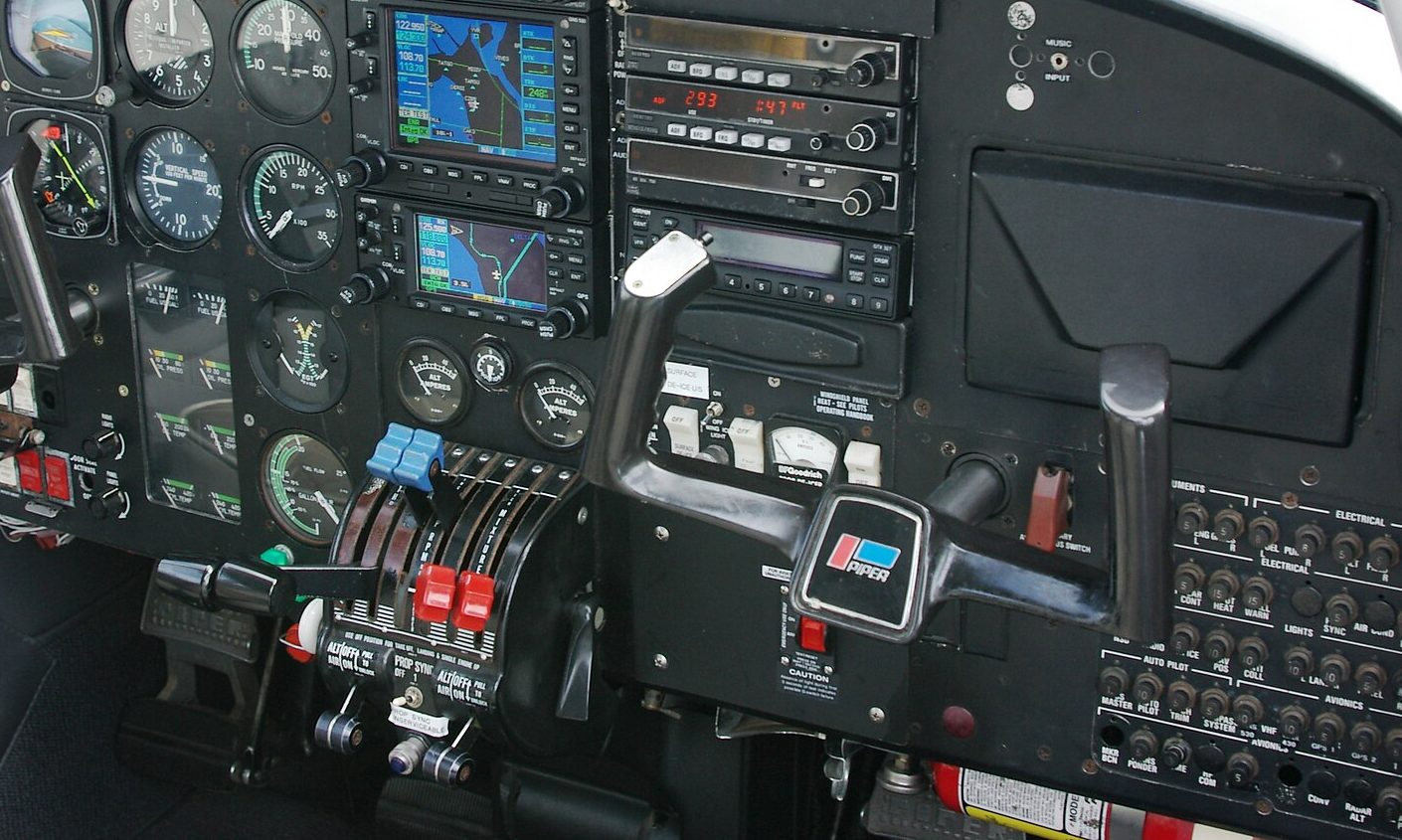
One of those night flights took place in a Piper Seneca PA-34-200. A good, airworthy airplane with no history of incidents and a well-qualified crew. The flight instructor had more than 2,000 flight hours, and the student already held a Commercial Pilot Certificate.
The forecast wasn’t showing anything extreme, but Florida is famous for changing its mood quickly, and a pretty calm day can become challenging quickly. Weather wasn’t the main issue in this story, but it certainly influenced how the situation felt. It started as a calm night. A Piper Seneca, an instructor, and a student were in the practice area performing maneuvers. Some of the common maneuvers are slow flight and stalls, which require extending the landing gear. After some time, and after repeating several maneuvers involving extending and retracting the landing gear, the crew received a warning: “WARN GEAR UNSAFE.”
This indication is common during gear extension and retraction while the gear pump is operating. However, this situation was different. The landing gear was already in the DOWN position during the last maneuver.
At the same time, weather was approaching, light rain was beginning, and it was time to return to base. But now there was this “GEAR UNSAFE” indication with the landing gear down. The question was … “Is it really down?”
Troubleshooting in the Air
The crew contacted the dispatch supervisor to report the abnormal situation and ask for advice. Of course, you cannot be sure whether the landing gear is down and whether it is safe to return and land with the GEAR UNSAFE indication illuminated. Several suggestions were discussed, including referring to the Pilot’s Operating Handbook (POH), checking circuit breakers, yawing the airplane to try to resolve a possible gear-locking issue, and cycling the landing gear up and down. The airplane continued circling in the practice area while the crew tried to find the best solution for returning safely to the airport.
Being on the ground during a situation like this, it is not always a good idea to tell the crew exactly what to do. We can provide advice, discuss possible solutions, and offer assistance. However, the pilot in command is responsible for making the final decision.
Eventually, our recommendation and the instructor’s decision were to use the emergency landing gear extension procedure before returning to the airport.
The airplane headed toward the airport. The tower was closed, and the weather was getting worse. But conditions were still VFR, allowing the crew to identify the runway and focus on the landing procedure. However, the “GEAR UNSAFE” indication and the irritating warning sound gave them no peace.
Using the UNICOM frequency, we asked the instructor to make a safe pass over the airport so we could try to determine whether the landing gear was fully extended and locked. It wasn’t easy during the night and in the rain. After a couple of traffic patterns and passes over the runway, we determined that the landing gear appeared to be down and advised the crew of our observations. We recommended proceeding with the landing, but of course, we were prepared for the worst-case scenario.
A Safe Landing, Lessons Learned
The landing was completed safely.
The crew returned, and the airplane was secured. All of us were wet and happy, but still stressed. The next morning, after the issue was reported to maintenance, the maintenance team discovered a problem with the squat switch. The squat switch pin was abnormally out of position, causing the airplane to believe it was still on the ground while in flight. The mystery was why this happened after an hour of flying.
Of course, I had a conversation with the crew afterward, and I can only imagine how stressful it must have been to fly at night, in the rain, without being certain whether the landing gear was safely down. The most important thing in a situation like this is to remain calm, stay focused on flying the airplane, and make the right decisions to bring the crew and aircraft back safely. It is also important to have good teamwork, not only between the pilots in the cockpit but also between the crew in the air and the people supporting them on the ground.
Sometimes, the bridge between a frightening experience and a safe landing comes down to people working together, staying calm, and making one good decision at a time.

0 replies