















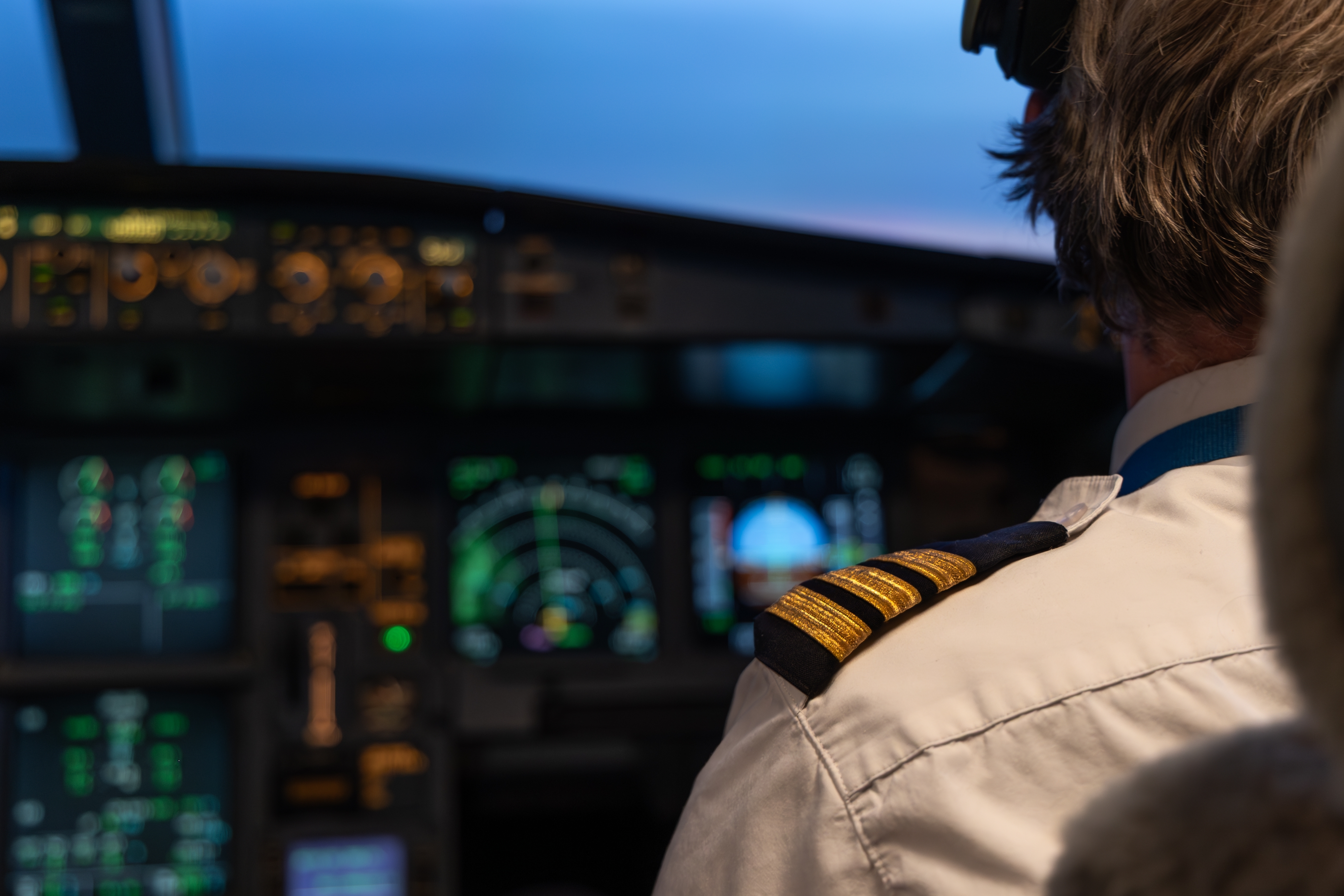

Coinciding with the start of EAA AirVenture Oshkosh 2026, Boeing released its annual Pilot and Technician Outlook, projecting the global aviation industry will need more than 2.4 million new pilots, technicians and cabin crew members by 2045.
According to the forecast, the industry will need 674,000 new commercial pilots, 728,000 maintenance technicians, and 1,023,000 cabin crew members to fly and maintain the global commercial aviation fleet over the next 20 years.
Boeing said resilient passenger demand, fleet growth, and higher aircraft utilization continue to drive the need for trained personnel. Approximately two-thirds of the projected hiring will replace workers leaving the industry through retirement and attrition, while the remaining one-third will support expansion of the global commercial fleet.
“Our industry will keep the expanding global fleet flying safely and efficiently by investing in workforce development worldwide,” said Chris Broom, vice president of Commercial Training Solutions for Boeing Global Services. He added that immersive technologies will continue to enhance training while supporting competency-based instruction and assessment.
North America alone is expected to require 122,000 new pilots, 125,000 maintenance technicians, and 191,000 cabin crew members over the forecast period. Eurasia and China are projected to account for the largest share of new aviation personnel, while South and Southeast Asia are expected to experience the fastest workforce growth.
Compared with Boeing’s 2025 outlook, this year’s forecast reflects modest increases across all three workforce categories. Last year’s report projected demand for 660,000 pilots, 710,000 maintenance technicians, and 1 million cabin crew through 2044.
The forecast excludes business aviation and civil helicopters, focusing exclusively on the commercial airline sector.


With due respect to the author, I’ve been reading predictions like this for the last 40 years I have been involved in aviation as a pilot and a mechanic. The only outfits that ever offered me a job sight unseen was a maintenance company when the owner found out I am an A+P mechanic. There is definitely a mechanic shortage in this country. I see it not only from the pt135 companies I have flown for but also as an airplane owner trying to schedule an annual. One thing I definitely can say is that there is NO pilot shortage is the US. Never has been, and never will be in my lifetime. I do agree that there are less and less persons getting pilot certificates for personal flying. Most of those, especially the last couple of years, get into flying with the goal of flying the airlines. The only shortage is experienced pilots who are willing to fly for nothing! My travels occasionally to Canada, I have seen magazine articles of similar complaints there, and they don’t have the ATP requirement for pt121 FO’s to blame for their “pilot shortage”.
I totally agree. I have yet to see a pilot shortage. I started out on the R/W side, moved over to F/W pt.135, and then on to pt.121. The real shortage is on the mechanic side.
Boeing and Airbus are in the business of selling airplanes. I’m surprised Airbus has not jump on the “We need more pilots!” Band wagon. I have 40 plus years with airlines in the US and overseas. I can say, with confidence, there is zero shortage of pilots. There will not be a shortage of pilots in the foreseeable future… especially with work, already in process for single pilot operations. Oh and possibly autonomous operations.
Most here are commenting insinuating the article is addressing a pilot shortage. I agree there is not a pilot shortage, but the article sites Boeing forecasting the need. There was no mention of a shortage. I have no doubt there will be a need for pilots in the future. I also doubt there will be a shortage in the future.