















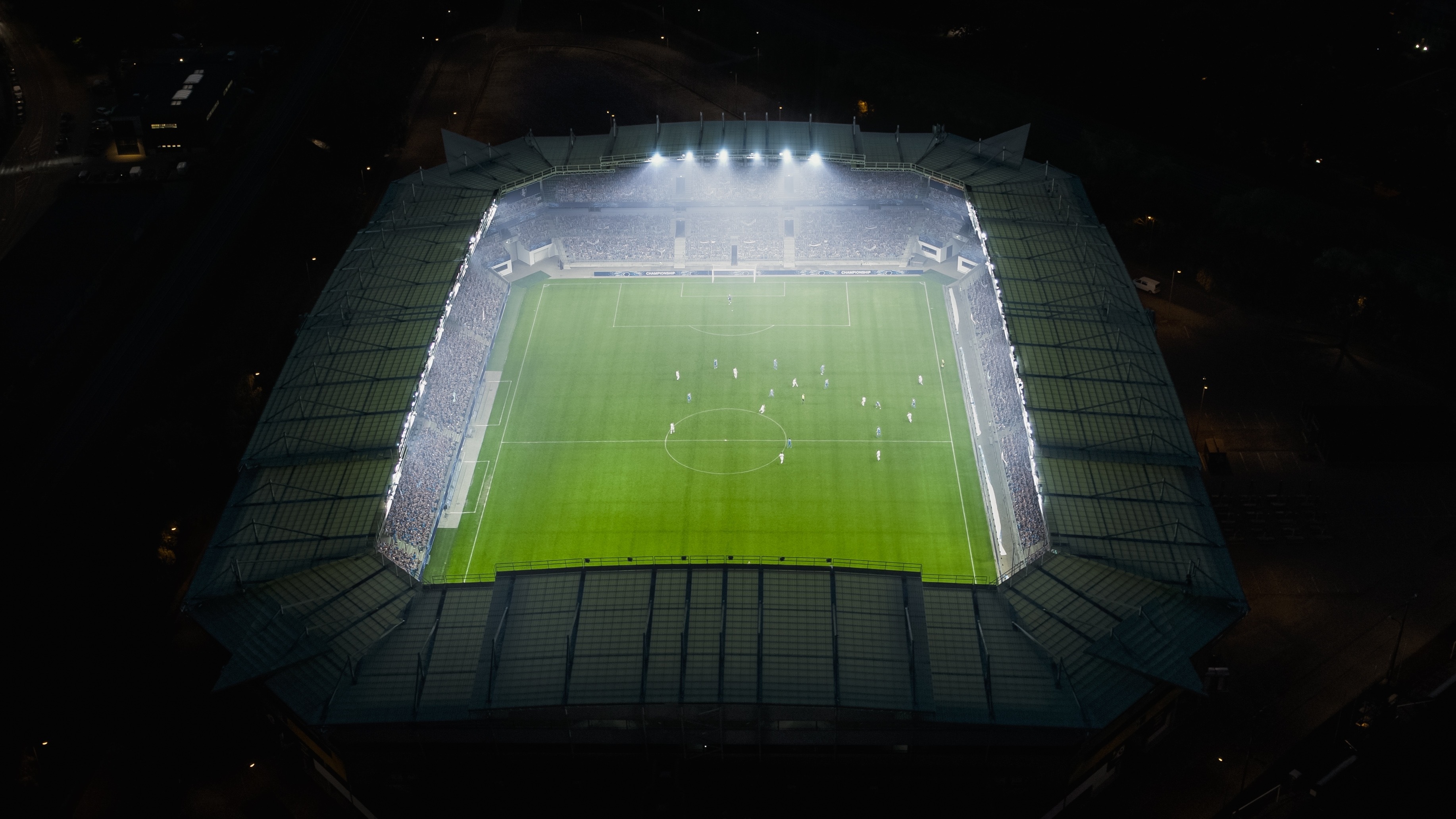

U.S. authorities have seized more than 300 drones operating near FIFA World Cup venues and fan zones since the tournament began on June 11, according to the Transportation Security Administration (TSA).
Current restrictions prohibit drones and other aircraft from operating within three nautical miles of World Cup stadiums and up to 3,000 feet above ground level during matches unless specifically authorized. Separate restrictions also apply around official fan festivals and gathering areas.
Reuters said drone-related enforcement efforts have extended across numerous tournament venues. FBI officials in Florida reported issuing citations to dozens of operators and confiscating more than 50 drones, while authorities in cities including Atlanta, Los Angeles, Dallas, and Seattle have also reported seizures.
Federal officials have repeatedly warned that many violations appear to involve recreational drone pilots unaware of the restrictions, but authorities say even small unmanned aircraft can create significant safety and security concerns around crowded venues.
The FAA has warned that unauthorized flights in restricted airspace can result in civil penalties of up to $100,000, criminal charges, and confiscation of the aircraft. FBI counter-drone teams have been deployed at stadiums throughout the tournament to detect and respond to violations.
Meanwhile, the FAA recently revised its World Cup drone restrictions to clarify that some unmanned aircraft operations may be permitted within restricted areas if operators obtain authorization from the Department of Homeland Security.
The change came after industry groups raised concerns that the original temporary flight restrictions could inadvertently affect legitimate commercial drone operations near stadiums, fan events, team hotels, training facilities, and other protected locations. According to DroneLife, the updated NOTAM language provides a pathway for certain authorized Part 107 and Part 135 operators to request approval for flights within the security airspace.

Can result? It should be the result. These are not toys.
Not new – early in the era of cheap UAVs Victoria BC police had to nab scum peering in windows of apartments overlooking Beacon Hill Park.
And UAVs interfering with firefighting operations are an ongoing problem, could lead to deaths from fire advancing further than it would have – in one case in California may have resulted in motorists trapped on freeway. (And a CL water bomber was hit by a drone, took it out of service for weeks.)
Improve education system? Fund more police? No – Marxist politicians refuse, while spending on glitz and pet projects.