
















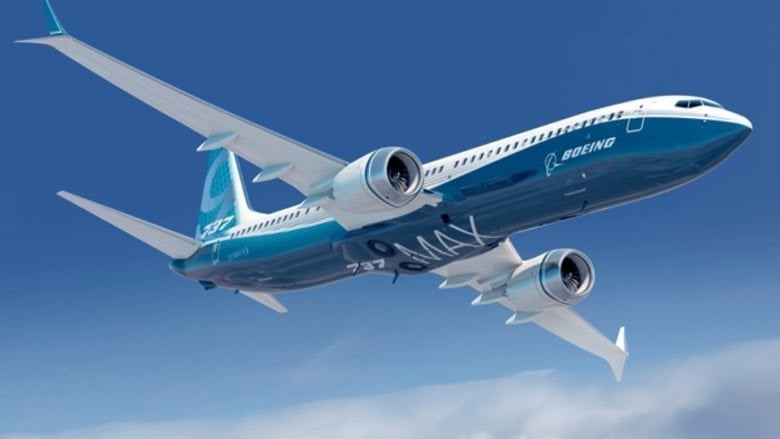
Image: Boeing
The FAA has posted a draft report from the Boeing 737 MAX Flight Standardization Board (FSB) covering updated pilot training requirements for the aircraft. The draft adds the Maneuvering Characteristics Augmentation System (MCAS) to the list of areas which must receive special emphasis during ground training, but does not require flight simulator training for the system. The FSB only reviewed “training aspects related to software enhancements to the aircraft” for the report.
According to the draft, “MCAS ground training must address system description, functionality, associated failure conditions, and flight crew alerting. These items must be included in initial, upgrade, transition, differences, and recurrent training.” The new requirement is based on a March 2019 evaluation of the “modified” MCAS conducted by the FSB. The report states that the board found the MCAS to be “operationally suitable.”
The FAA says that it is still expecting Boeing to submit the final software package for certification in the coming weeks. The updated software is expected to address MCAS activation in response to faulty angle of attack sensors, which is widely considered to be a significant factor in the fatal accidents of Ethiopian Airlines Flight 302 last March and Lion Air Flight 610 in October 2018. The FSB report (PDF) is open for public comment until April 30, 2019, and further revisions may be made based on comments received. For more information on how to file a comment, visit the FAA’s website.

