
















image: NTSB
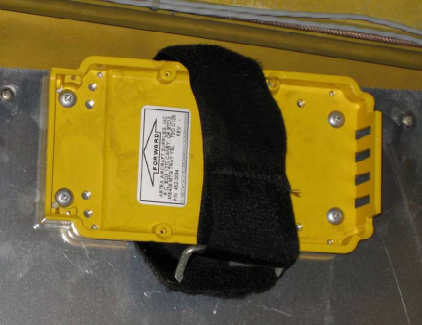
The FAA has found that hook-and-loop Velcro-style fasteners for ELT units are subject to failure in an accident, but the agency said on Tuesday it has decided against issuing an airworthiness directive that would address the problem because manufacturers have already either revised or are in the process of revising those designs. The FAA did recommend that any aircraft owners or operators who have already installed ELT units with hook-and-loop fasteners should voluntarily switch to a metal strap restraint method.
The FAA said it conducted a study of the hook-and-loop fasteners and found they failed to retain the ELT securely if they were improperly installed, and there was no good way to determine if the installation was correct. They also found that even if the fasteners were properly installed, they could stretch or loosen over time. The fasteners also are subject to contamination from debris. In 2012, the FAA banned the use of the straps in manufacturing new ELTs, but left open the possibility of whether it would issue a directive requiring a retrofit for ELTs already installed.

