
















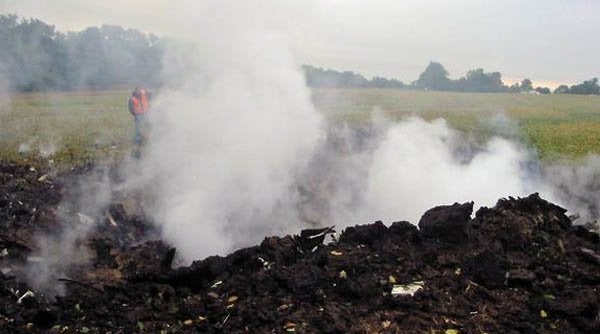
Severe icing and malfunctioning instruments led to the crash of a Cessna Citation in Kansas two years ago, the NTSB said in its probable cause report this week. The 1975 Cessna 500 Citation I was at 15,000 feet when it began a high-speed descent and crashed in a field, killing the pilot and single passenger on board, a traveling minister from California. The board also found that the 49-year-old pilot reported from the previous flight malfunctions including the artificial horizon gyros, the HSI and autopilot. Maintenance personnel replaced the right-side gyro but nothing else. The pilot was approved under an FAA exemption to fly the Citation single-pilot, but only if all instruments and the autopilot were working.
The jet took off from Mid-Continent Airport in Kansas on Oct. 18, 2013. After leveling off at altitude, the jet flew into an area of supercooled large water droplets with severe icing, according to the board’s narrative. Meanwhile, ATC gave the pilot changes in radio frequency, altitude and route, which likely increased his workload and contributed to disorientation. Pilot reports in the area, including one from a Boeing KC-135, indicated light to moderate icing conditions, and weather reports showed ice pellets, snow and a high likelihood of icing between 13,000 and 15,000 feet. Witnesses told investigators they saw the jet in a vertical dive before it crashed, followed by a fire and debris falling to the ground about a half mile from the crash site.

