

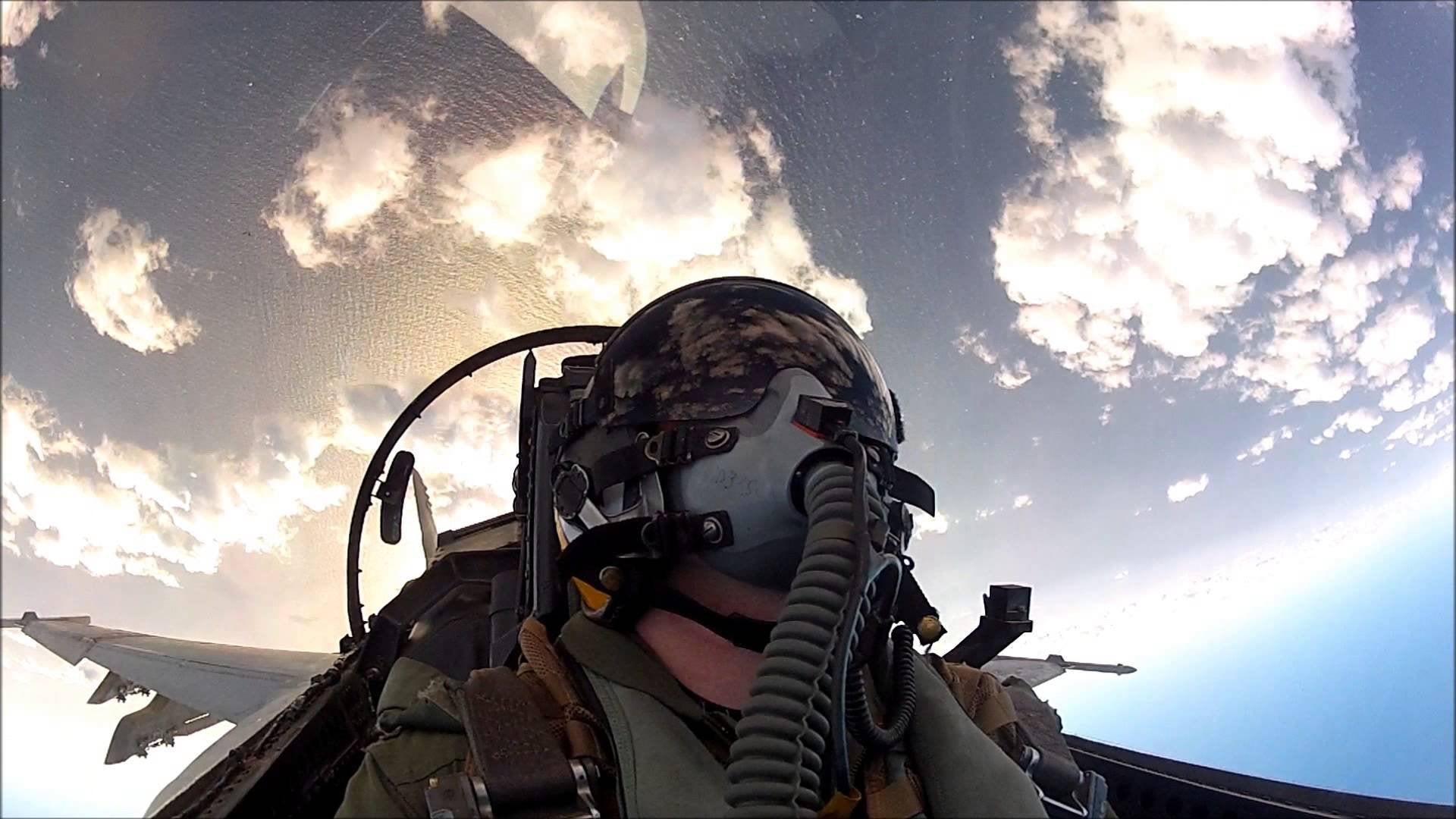
The Navy says problems with the oxygen generation and pressurization systems on T-45 and F-18 series aircraft have been a factor in the deaths of at least four of its pilots in the last 10 years and it’s now made fixing the problem a top priority. The announcement came out of a report that was commissioned in March after Navy flight instructors and students refused to fly T-45 trainers because they were suffering dizziness, breathing problems and other issues that the Navy has filed under the heading of “physiological episode (PE).” While no deaths in T-45s have been linked to PEs, the four F-18 tragedies were apparently not the sole result of oxygen issues but embedded in a trend of increasing problems being reported by pilots. The report comes days after the Air Force grounded F-35 aircraft because of problems with the oxygen systems.
Over at the Navy, reports of PEs started ramping up in 2010 and incidents increased from 13 to 38 for T-45 crews and 57 to 114 for the F-18 in the last five years. So far this year, there have been 52 F-18 PE incidents. The Navy admits it doesn’t know what’s wrong. “To date, finding a solution … has proved elusive,” the report said. “The complexity of aircraft human-machine interfaces and the unforgiving environment in which aircrew operate will continue to generate PEs whenever systems do not operate as intended or human physiology is a factor.” One of the steps being taken is adjusting the leadership of that part of the Navy. The next person in charge of flight training will be an experienced naval aviator. “Based on the findings of the report, the next Chief of Naval Air Training (CNATRA) will be a more experienced aviation flag officer,” the Navy said. “The increase in seniority is meant to improve flight safety, address current instructor concerns, and ultimately resume student training.” Rear Adm. Jay Bynum, currently serving as Commander, Carrier Strike Group Nine and a two-star admiral select, is scheduled to assume command of CNATRA later this month (June 2017).