
















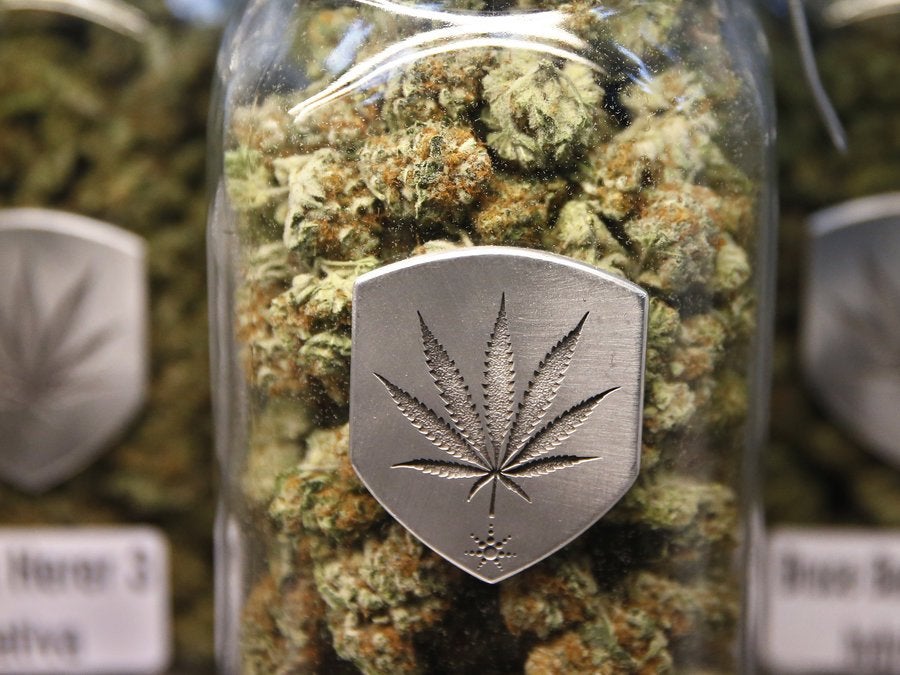
Transport Canada is reminding pilots that while the rest of the country may be changing its attitude toward marijuana, it hasn’t relaxed its stance. On July 1, 2018, possession of small amounts of pot and its recreational use will be legal in Canada. Provinces are developing intoxication detection and enforcement standards for drivers caught impaired behind the wheel. TC officials told delegates to the Air Transport Association of Canada meeting last week that any amount of TCH, the psychoactive chemical in cannabis, found in a pilot’s bloodstream will result in immediate suspension of flight privileges and that will last until the TCH is flushed from his or her system. Unlike water-soluble ethanol, TCH attaches to body fat and can persist for varying periods of time at detectable levels after one exposure. While the consequences of intoxication are potentially harsh, the chances of being caught are low, however, since Canada doesn’t mandate random drug and alcohol testing in pilots and clearly has no plans to implement such a regime.
At the same meeting, Transport Minister Marc Garneau was asked by industry officials to consider mandatory testing in light of a fatal crash involving a seriously drunk pilot. In the absence of any regulatory support, the industry is left to police the sobriety of its pilots on its own and it can be tricky legal ground because random testing is a court-tested violation of the country’s Charter of Rights and Freedoms. Garneau cited the Charter in his answer to the question but the Transportation Safety Board supports random testing and says the government could justify it under the country’s Human Rights Act. As we reported last week, the 34-year-old captain of a cargo flight took off with a blood alcohol content of more than .24 and the aircraft crashed in mountains north of Vancouver, killing him and his 32-year-old first officer. The TSB also said a possible scenario for the crash was suicide.

