Flight Safety

AVweb’s Flight Safety section offers in-depth coverage of aviation safety topics, including accident analyses, risk management strategies, regulatory updates, and pilot training insights. Designed for pilots, instructors, and aviation professionals, this section provides timely information to enhance situational awareness and promote best practices in flight operations.

Japan Raps ‘Dangerous’ U.S. Military Pilots

U.S. military pilots have been warned to straighten up and fly right by Japanese politicians concerned about the reported lapses in discipline by Marine pilots at a base in western Japan. The Japanese defense ministry is reportedly ready to formally request assurances from the U.S. that residents around Marine Station Iwakuni are safe after a […]

Read More »

Gender Reveal Stunt Injures Pilot, Damages Plane

A pilot was injured, an expensive ag plane was probably written off but the friends and family of an expecting couple know whether to buy blue or pink for the bundle of joy after the latest fail of a gender reveal stunt near Turkey in northern Texas. Local officials say the plan was for the […]

Read More »

Updated MCAS ‘Safe’ Says MAX Technical Team

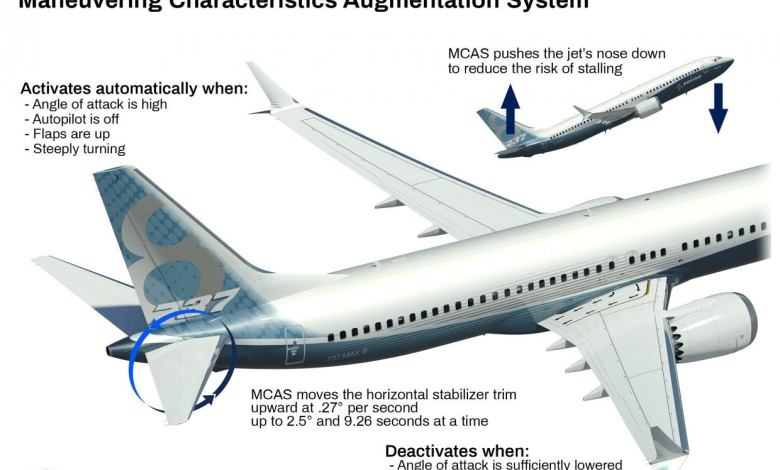
Bloomberg is reporting the independent group of experts formed to evaluate Boeing’s fixes for the 737 MAX has signed off on changes to the Maneuvering Characteristics Augmentation System. The Technical Advisory Board was convened shortly after the aircraft was grounded last March and presented its preliminary report to the FAA, Congress was told by the […]

Read More »

A New Homebuilt And Rusty Pilots

Not all flight reviews are equal, and rusty pilots are not at all uncommon, but I recently faced a scenario that gave me pause. It read like the beginning of an NTSB report with a stack of extremely novel circumstances. My choice was either be one of the contributing factors to an accident or one […]

Read More »

FAA Completes Runway Status Lights Rollout

All 20 airports slated to receive the FAA’s Runway Status Lights program are fully operational, says the agency. The RWSL is made up of lights embedded in the tarmac across runway crossings as well as at the departure hold zone; they illuminate when it’s unsafe for an aircraft to proceed.  According to the FAA, “at […]

Read More »

Accident Probe: Dark Acceleration

I like to fly at night. The air generally is smoother, there’s less traffic, the ATC frequencies are not as busy and ground illumination, the moon and the stars can compete in one of the best light shows you’ll ever see. Of course, humans were never meant to fly in the first place, and we […]

Read More »

FAA May Relax Diabetic Medical Restrictions

CNN is reporting that the FAA will allow some insulin-dependent diabetics to earn commercial pilot certificates thanks to the strides made in treatment and management of the disease. CNN’s sources say the announcement could be made early this coming week that the agency will allow insulin-dependent diabetics to apply for first and second class medicals. […]

Read More »

The ATP Rating: Expensive Training

It’s aviation’s Everest: the highest rating, the toughest to obtain and necessary to have to fly in the Part 121 airline world, and even in some portions of the Part 135 air taxi world. In reality, if you want to fly for a living, the chances are almost unity that you’ll need to hold an […]

Read More »

Senate Committee Questions Boeing CEO On MAX Safety

The Senate Committee on Commerce, Science, and Transportation grilled Boeing CEO Dennis Muilenburg and Boeing Commercial Airplanes Chief Engineer John Hamilton on “actions taken to improve safety and the company’s interaction with relevant federal regulators” during a Tuesday hearing related to two fatal accidents involving Boeing 737 MAX aircraft. The hearing, titled “Aviation Safety and […]

Read More »

Transport Canada Issues A220 Emergency AD

Transport Canada issued an emergency airworthiness directive (AD) on Friday limiting the Airbus A220, formerly the Bombardier C Series, to a maximum setting of 94 percent N1 above 29,000 feet. According to Transport Canada, the directive is due to several occurrences of inflight engine shutdowns on Pratt & Whitney-powered A220s. The AD (PDF) covers A220s […]

Read More »
Sign-up for newsletters & special offers!

Get the latest stories & special offers delivered directly to your inbox

SUBSCRIBE