Risk Management

Icing Revealed

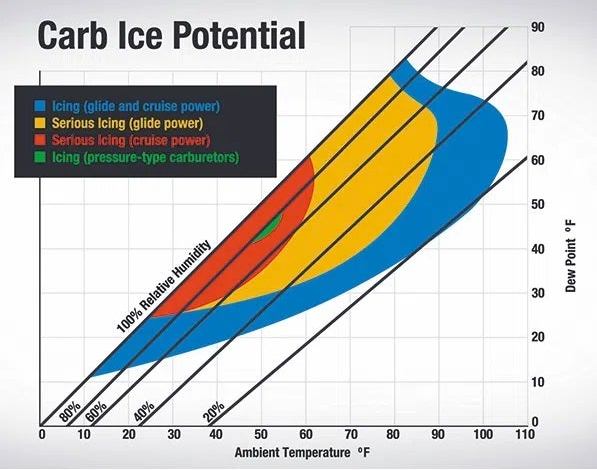
Since the dawn of aviation, icing has emerged as one of the great hazards of flying. The 1994 American Eagle crash in Roselawn, Indiana, shows that this problem has dogged aviation well into the modern era and called the bluff of even trained and experienced pilots. Even in the 2000s, when numerical forecasting had become […]

Read More »

Charting Errors

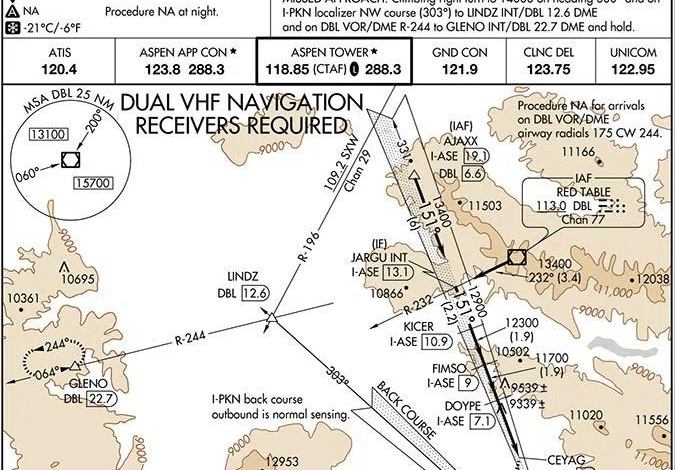
If you’re like us, you have multiple sources for aeronautical data—charts—that can be in digital or paper format. Also like us, maybe the digital data you use in the cockpit comes from different vendors, even if it’s the same basic information. Everyone makes mistakes from time to time, even the FAA, with the eventual result […]

Read More »

Hear Back, Read Back

There’s an amusing quip from award-winning author Robert McCloskey that says, “I know that you believe you understand what you think I said, but I’m not sure you realize that what you heard is not what I meant.” This double speak serves to illustrate the importance of clear communication. There are few places in human […]

Read More »

When Things Go Wrong

Every single emergency procedure you can imagine should follow the basic outline of “aviate, navigate, communicate” on the pilot’s side of things, but what does ATC do? It’s actually kind of backwards. We communicate with you first to find out what you might need, then we navigate other conflicting airplanes out of your way so […]

Read More »

WX Radar Upgrades: Garmin’s GWX75 Is Top

The images above show the busy view outside of Garmin’s King Air somewhere around Memphis cruising northwest-bound, and how it looks on the GWX 70 Doppler weather radar. Plan your path through—we’ll come back to it later. ADS-B may pause an active radar upgrade decision for anything but twins and turbines, but radar is far […]

Read More »

Deal With Distractions

Many of life’s distractions are enjoyable, but cockpit distractions can have tragic consequences. For years, the NTSB has made “Eliminate Distractions” one of their Ten Most Wanted safety improvements.  In Ernest Gann’s Fate is the Hunter, he describes a night approach as a DC-2 First Officer while Captain Ross lit matches in front of Gann’s nose […]

Read More »

Get The Lead Out

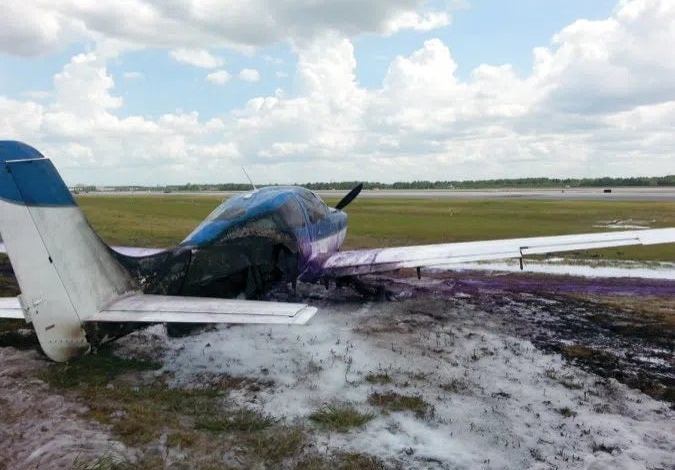
There is a fundamental reason we perform preflight run-ups and engine checks before takeoff: It is a whole lot better to find problems at 1G, 0 feet AGL and 0 knots airspeed than it is while airborne. Making sure a powerplant will work as we intend before taking off is just good airmanship. A good […]

Read More »

Upper-Level Weather

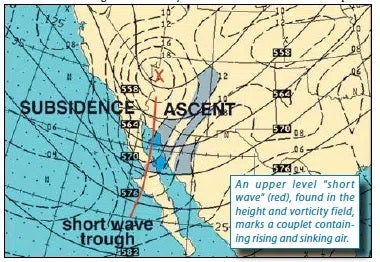
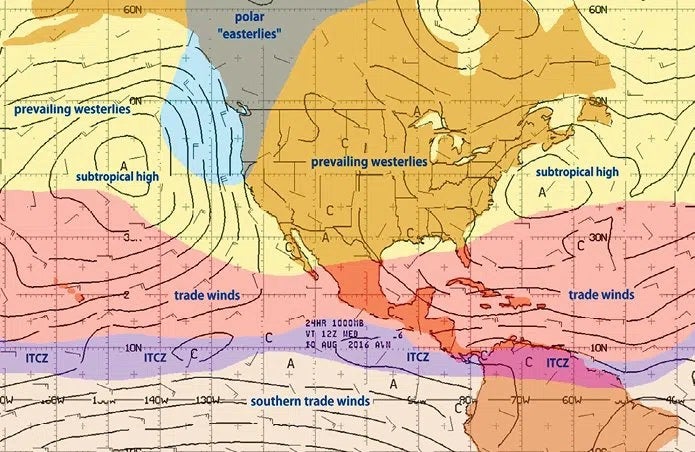
Unless your flying is limited to local sightseeing in good weather, chances are you’ve used winds aloft charts at some point. For many commercial and military pilots, they’re a staple of the preflight weather briefing, and they’re easily found on sites like aviationweather.gov. These charts are constructed by weather centers at a series of designated heights, […]

Read More »

Wind Shear

When the jet age arrived in 1959, little was known about wind shear. Aviation was focused on thunderstorm avoidance. In Joseph George’s compilation of Eastern Air Line’s forecasting techniques from that era, we find thunderstorms described in terms of turbulence, icing, and hail hazards. As jet aircraft were equipped with radar, it was assumed that […]

Read More »

Risk And Consequences

Consider a route I’ve flown several times before: from the Washington, D.C., area to Asheville, N.C. Back before GPS, you eventually got on V222 at Lynchburg, Va., and motored off to the southwest. The highest minimum en route altitude (MEA) is/was 6000 feet, and flying it in good visual conditions (VMC) highlights why: This is […]

Read More »
Sign-up for newsletters & special offers!

Get the latest stories & special offers delivered directly to your inbox

SUBSCRIBE