Ownership

AVweb’s Ownership section provides in-depth coverage on aircraft ownership, maintenance, and operational considerations. From updates on unleaded aviation fuels like G100UL to regulatory decisions impacting fuel usage, this section offers valuable insights for aircraft owners and operators. Stay informed on the latest developments affecting your aircraft’s performance, compliance, and overall ownership experience.

Pratt & Whitney PW812GA Earns Transport Canada Type Certification

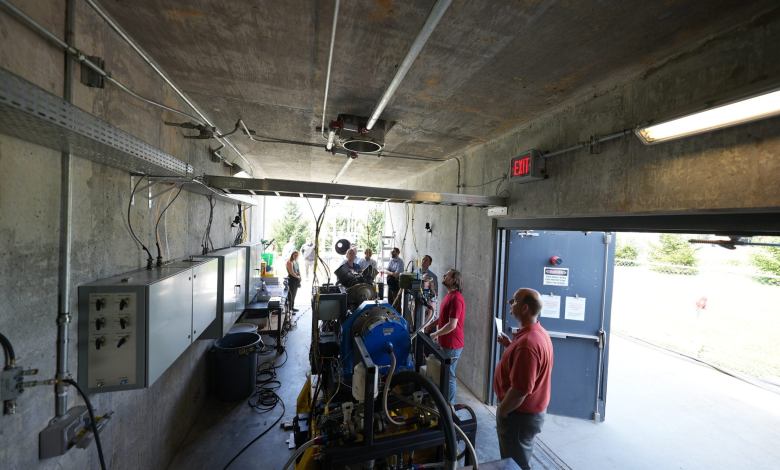
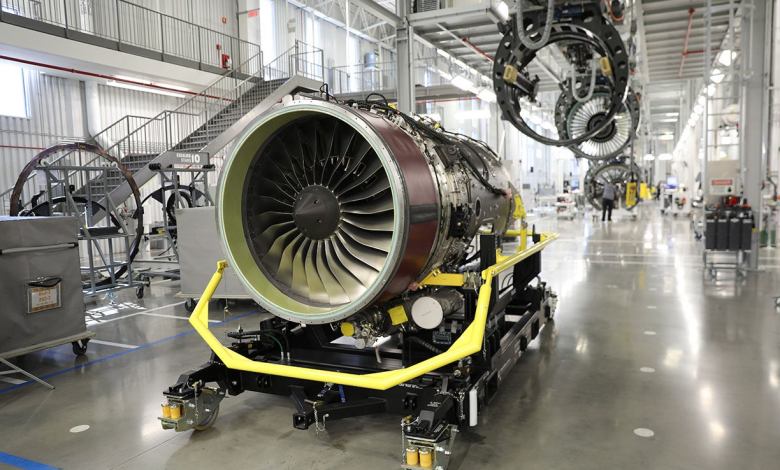
Pratt & Whitney Canada’s PW812GA engine has received its type certification from Transport Canada, the company announced on Wednesday. Pratt & Whitney reported that the PW812GA underwent more than 3,400 hours of engine testing including 260 hours of flight testing. A member of the company’s PW800 family, the engine was selected last year to power […]

Read More »

Buying A Used Aircraft: Cessna 150/152

It used to be that used Cessna 150s and 152s were budget buys, but like most piston singles in the current market, values for these durable two-placers—especially nicely upgraded models—have risen sharply. But once the big check has cleared, the right 150 or 152 shouldn’t break the operating budget thanks to its miserly fuel burn […]

Read More »

Hail Damage: Not Always Cosmetic

Hail-damaged aircraft are what salvage deals are made of. If you’ve dealt with hail damage as I did with my Grumman after an isolated thunderstorm peppered it on a transient ramp in Wisconsin, you know it can be ugly. Shredded fabric, trashed windshields and gaping holes in the skin are an expensive reality.  But minor […]

Read More »

Rolls-Royce Breaks Ground For New Production Support Facility

Rolls-Royce officially broke ground for its new production support center near Bordeaux, France, on Friday. The 2,000-square-meter (21,500-square-foot) facility will include space for offices, a workshop and a warehouse. According to the company, it will primarily be used to provide production support for the new Rolls-Royce Pearl 10X engine, which will power Dassault’s upcoming Falcon […]

Read More »

GAMI Unleaded Avgas Approved For GA Piston Fleet (Updated)

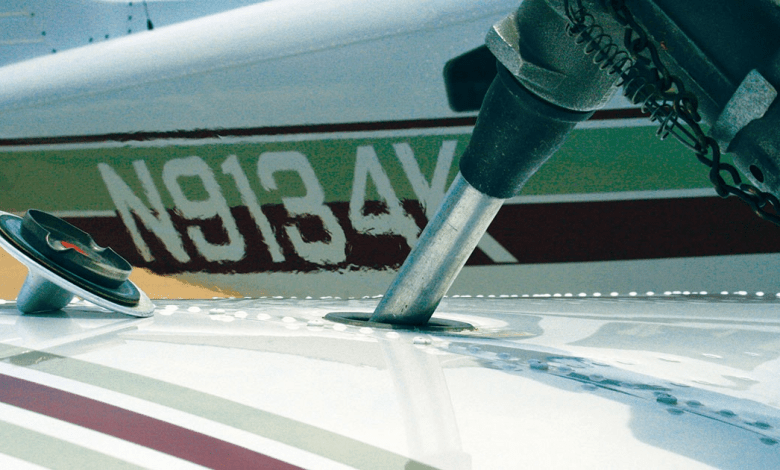
In a first for the aviation industry, the FAA has approved supplemental type certificates (STCs) for the use of General Aviation Modifications Inc.’s G100UL 100-octane unleaded avgas in all general aviation piston aircraft. GAMI co-founder George Braly stated that the fuel will initially be produced in small batches while the manufacturing and distribution infrastructure is […]

Read More »

PW127XT-M Engine Earns Transport Canada Certification

Pratt & Whitney Canada announced on Friday that its PW127XT-M turboprop engine has received its type certification from Transport Canada. According to the company, the engine will be used to power new ATR regional turboprop builds. Pratt & Whitney reports that the PW127XT-M offers 40 percent extended time on wing, 20 percent lower maintenance costs […]

Read More »

Trent XWB-84 Passes 10-Million-Hour Milestone

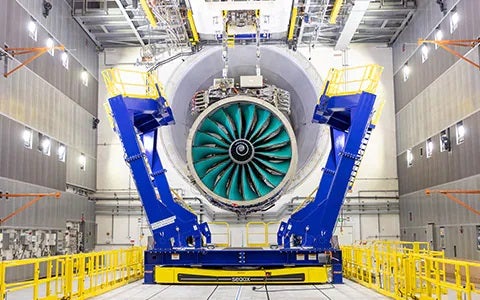
Rolls-Royce announced on Monday that its Trent XWB-84 turbofan engine has now logged more than 10 million flight hours. The engine, which entered service in 2015, powers the Airbus A350-900. According to Rolls-Royce, the XWB-84 is currently used on aircraft operated by over 30 airlines on routes “from short-range segments to ultra-long-range flights of more […]

Read More »

Buying A Used Aircraft: Meyers 200

When it comes to piston singles, it’s not often that the words classic and speedster are used in the same sentence, but it’s true of the Meyers 200 series. A design dating back to 1953, the Meyers won speed records as bragging rights. There are plenty of reasons why owners love their Meyers 200s—speed being […]

Read More »

Sustainable Aviation Fuel Incentives Passed

Tucked deep in the millions of words that make up the Inflation Reduction Act of 2022 are incentives for the production of sustainable aviation fuel. The much-vaunted economic and climate action bill was passed by the Senate on Sunday and the $1.25-$1.75 in credits (depending on how green they are in terms of inputs and […]

Read More »

Get The Lead Out

There is a fundamental reason we perform preflight run-ups and engine checks before takeoff: It is a whole lot better to find problems at 1G, 0 feet AGL and 0 knots airspeed than it is while airborne. Making sure a powerplant will work as we intend before taking off is just good airmanship. A good […]

Read More »
Sign-up for newsletters & special offers!

Get the latest stories & special offers delivered directly to your inbox

SUBSCRIBE