















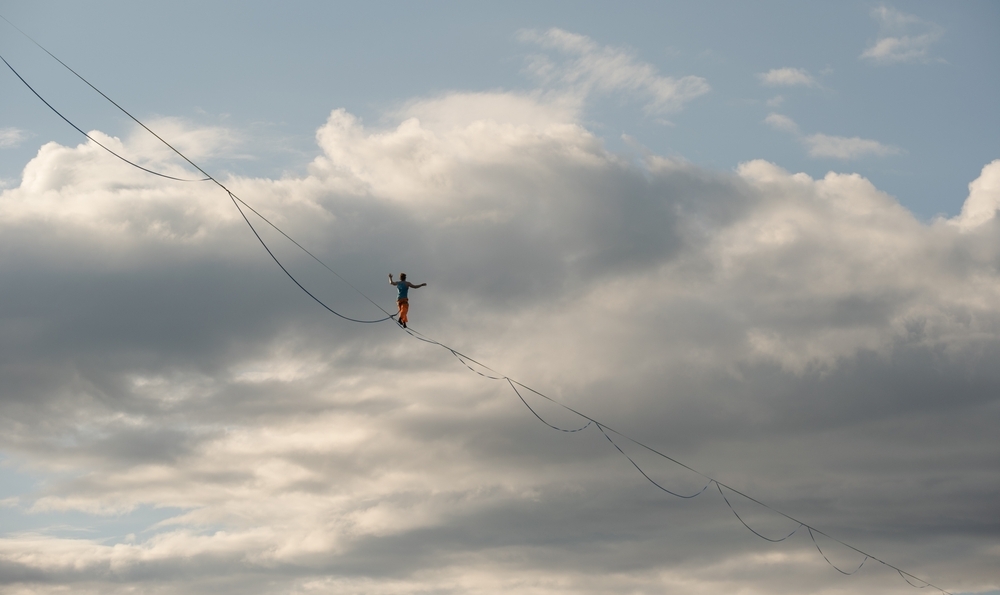

A group of 37 aviation associations led by Vertical Aviation International said Monday that it has asked the FAA in a letter to review how slacklines and other temporary obstructions are handled under current marking, lighting and pilot-notification procedures. The request follows a Jan. 2 accident near Superior, Arizona, in which a helicopter struck a slackline, killing four people. AOPA and and the National Agricultural Aviation Association joined VAI in leading the request.
“The data is clear: Low-altitude object strikes remain one of the most persistent and deadly threats in helicopter operations,” VAI President and CEO François Lassale said. “This request reflects a practical, safety-focused effort to work with the FAA and industry partners to examine lessons from the Superior, Arizona, accident and similar tragedies to identify measures that reduce risk before another accident occurs.”
The coalition is asking the FAA to look at whether existing obstruction notices, marking and lighting requirements are sufficient for temporary hazards that enter navigable airspace. It also asked the agency to review how obstruction NOTAMs are displayed across flight-planning tools, electronic flight bags, cockpit avionics and other digital platforms. The letter also calls for outreach to non-aviation groups whose activities could create hazards in low-altitude airspace.


Flashing led lighting, dayglow tape/streamers. Large orange globes on power lines crossing runways are visual markers for pilots so (temporary) slacklines should be required to have contrasting markings for pilots to see and avoid in addition to NOTAMS.
The California/Arizona portion of the Colorado River may have the highest total number of catenary snags in the USA. Multiple Cessnae have swung all night getting low too early going into Bullhead/Laughlin after sundown.