
















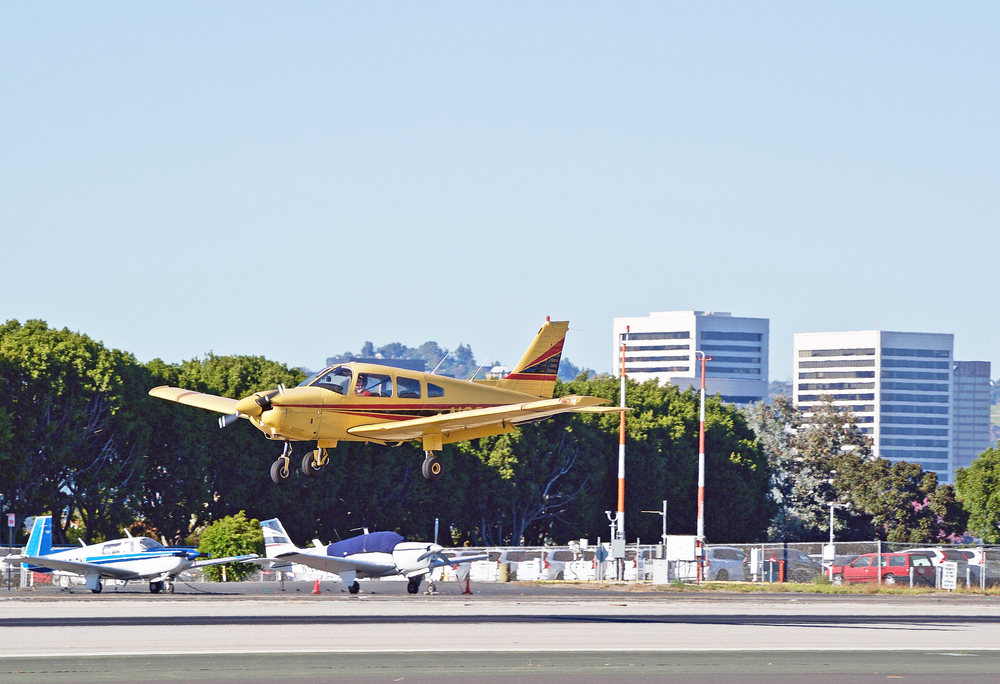

California pilots are pushing back against Los Angeles County’s use of aircraft tracking data for property-tax collection, arguing that information gathered for aviation safety should not be repurposed to track aircraft owners for tax purposes.
Los Angeles County Assessor Jeffrey Prang says his office is using ADS-B data to identify privately owned aircraft that may have gone unreported for tax purposes. The county announced in March that new software had identified previously unassessed aircraft and was expected to generate about $38 million in additional revenue, including taxes from previous years.
The county’s effort has drawn criticism from aviation groups, including the California Pilots Association. Vice President Eve Lopez called the practice a “Big Brother” approach in a Fox News report, arguing that aircraft owners may not expect data generated by a federally mandated safety system to be used for tax enforcement.
According to an analysis published by Aero Law Group in July, Los Angeles County sent nearly 1,000 notices to aircraft owners around the country. Some of the aircraft were based outside the county, with assessments apparently tied, at least in part, to how frequently they operated in the Los Angeles area.
California law allows aircraft to be taxed as personal property when they are “habitually situated” in the state. For aircraft that operate in multiple locations, the tax can be apportioned based on where the aircraft spends its time. The analysis indicates that past flight activity may factor into the county’s calculations, although the threshold for triggering a tax assessment remains unclear.
Prang has defended the practice, saying his office’s responsibility is to ensure privately owned aircraft are assessed fairly alongside other taxable property. In a recent letter published by The Wall Street Journal, he argued that restricting government access to public data would make it easier for aircraft owners to avoid taxes and shift the burden to other taxpayers.
“Tax fairness depends on everyone playing by the same rules,” Prang wrote.
The controversy has reached Capitol Hill, where legislation has been proposed that would prevent state and local governments from accessing certain federally collected aircraft tracking data for tax purposes.


0 replies