
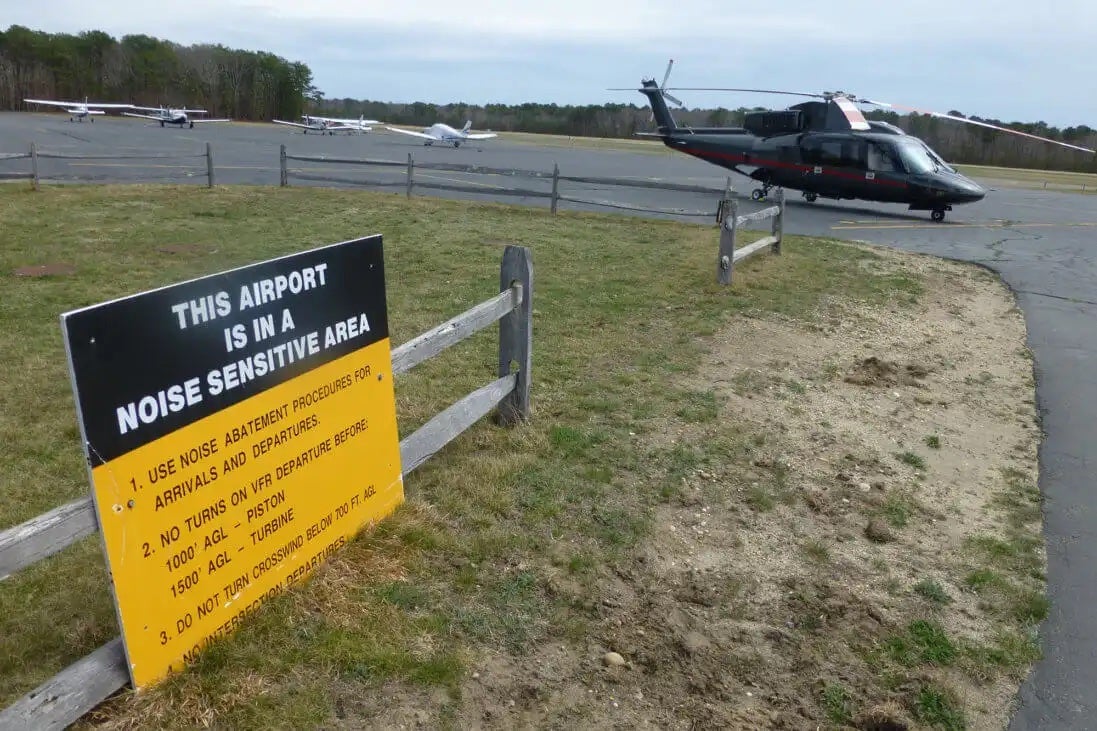

The FAA, buttressed by aviation advocacy groups, reported to the aviation subcommittee of the House Committee on Transportation and Infrastructure last week on aircraft noise. While the committee heard that outreach to the public could be improved, the number of residents affected by aircraft noise has “declined significantly” over the past several decades. Specifically, Rep. Garret Graves, R-La., cited that 7 million people reported being exposed to significant levels of aircraft noise in 1970. That number dipped to 430,000 by 2018—even though flight activity and population have both risen significantly. The congressman noted that technological advances made aircraft quieter, and state and local governments have leveraged their authority to reduce the number of people living in areas with significant noise levels.
Rep. Pete Stauber, R-Minn., told the committee there will likely always be discontent over aircraft noise. He said, “There are plenty of folks who will never be happy with any amount of effort that industry, the community or the airport itself puts in to mitigate noise and disturbances.”
“As we move forward,” Graves said, “we have to make sure that we continue to take into consideration the complaints and concerns raised by those that are affected. But also, we have to take into consideration the benefits of commercial air travel and general aviation that have had a tremendous impact on this country’s growth, convenience, ability to improve quality of life and business, capability to see relatives and other things.”
In written testimony to the committee, NBAA President and CEO Ed Bolen cited decades of voluntary “Fly Neighborly” campaigns to reduce noise pollution and further maintained, “[The aviation infrastructure] network, which already provides valuable and verifiable benefits for the local communities it serves, will become vital in supporting the emerging advanced air mobility (AAM) sector. AAM will allow communities around existing airports to further take advantage of this valuable aviation infrastructure, as well as create opportunities to build more facilities to support aircraft with vertical take-off and landing capabilities.”
Still, a Government Accountability Office report filed last year determined that more could be done to interface with communities and residents about proposed changes in flight paths—many resulting from greater efficiencies resulting from the NextGen-driven switch from ground-based to satellite-based navigation capability. Heather Krause, the GAO’s director of physical infrastructure, said current procedures don’t “provide a clear picture of how changes in flight paths or activity may affect noise levels at a given location.”