















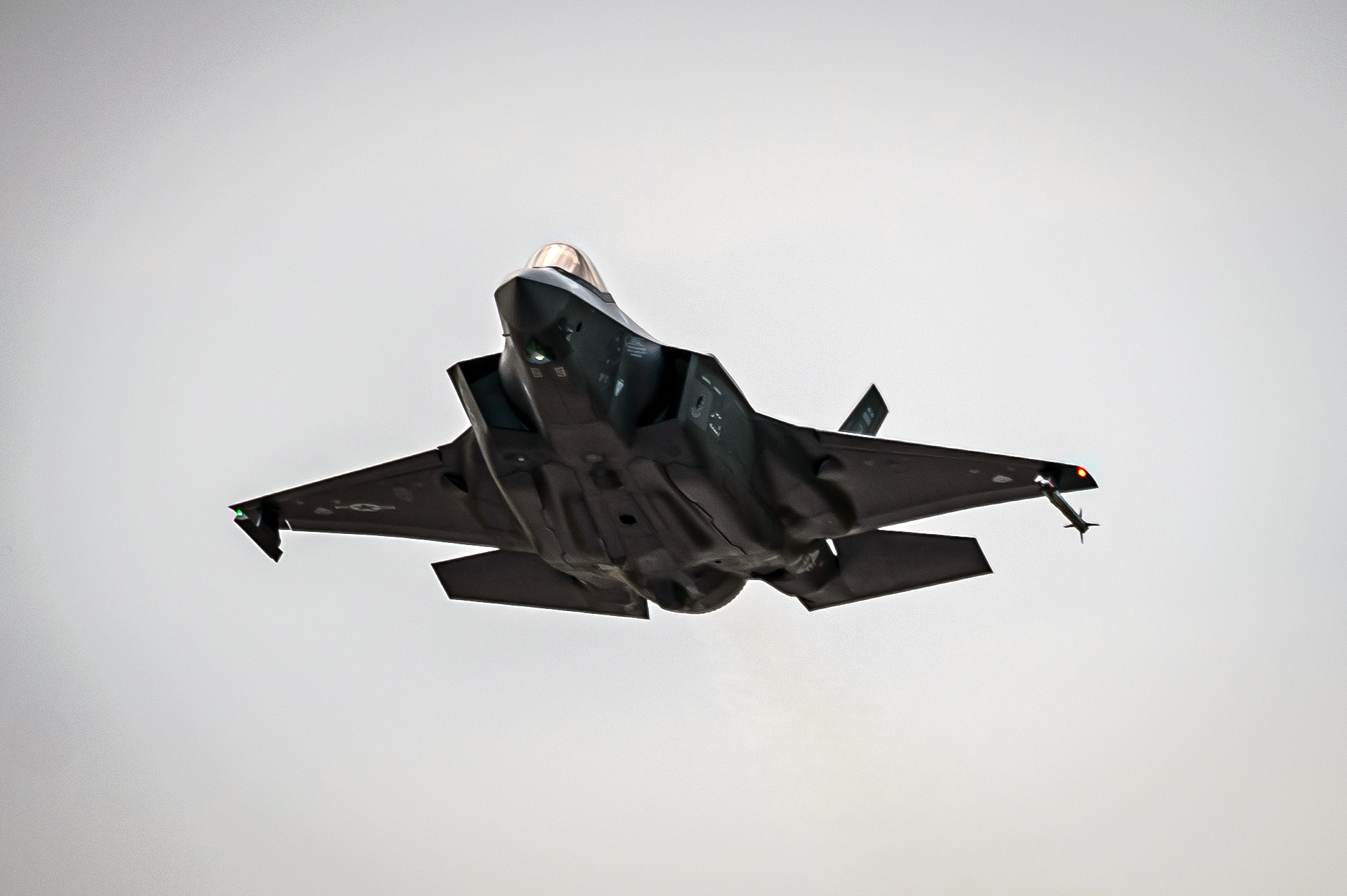

A new Government Accountability Office (GAO) report says the F-35 Joint Strike Fighter program continues to face major delays and cost growth. The Pentagon’s Block 4 upgrade—meant to add weapons, radar improvements, and electronic warfare systems—is now more than $6 billion over budget and at least five years behind schedule. At the core of Block 4 is Technology Refresh 3 (TR-3), a suite of new computers and software that has slipped to 2026, three years behind schedule.
F-35s are crucial to U.S. national security. The contractors who build them are behind schedule, typically delivering aircraft about 8 months late in 2024.
— U.S. GAO (@USGAO) September 3, 2025
Our new report looks at how DOD can address this as it plans for future increases in production: https://t.co/4mwv4ejCou pic.twitter.com/RJc2dr6wga
Lockheed Martin and Pratt & Whitney also fell short on production goals. In 2024, Lockheed delivered 110 aircraft, all late by an average of 238 days. Pratt & Whitney delivered 123 engines, also all late. To cope, the Pentagon has accepted jets with TR-3 hardware installed but without combat-ready software, assigning them to training. The GAO also found that every batch of aircraft delivered since 2018 has included long-standing technical problems, some first identified more than a decade ago and still unresolved.
The GAO issued six recommendations, including cutting orders to match realistic capacity, revising incentive fee structures that unintentionally reward late deliveries, and expanding use of digital modeling tools. The Defense Department agreed with most of the recommendations but pushed back on two. It said creating a single database to track unresolved technical problems would require further study, and argued that using “minimum viable product” practices was not always practical for complex engine upgrades. GAO said without stronger changes, the F-35 program risks continuing to deliver fewer combat-ready aircraft than planned while costs keep climbing.


0 replies