

















A new industry survey suggests a notable gap in preparedness among vertical aviation operators as the FAA’s 2027 deadline for mandatory Safety Management System (SMS) implementation approaches.
According to findings released by Vertical Aviation International (VAI), more than one-quarter of respondents said they are either unprepared or only in the early stages of developing an SMS program required under the FAA’s expanded Part 5 rule. The regulation will require many Part 135 operators, air tour providers, and other commercial aviation operators to have a formal SMS in place by May 2027.
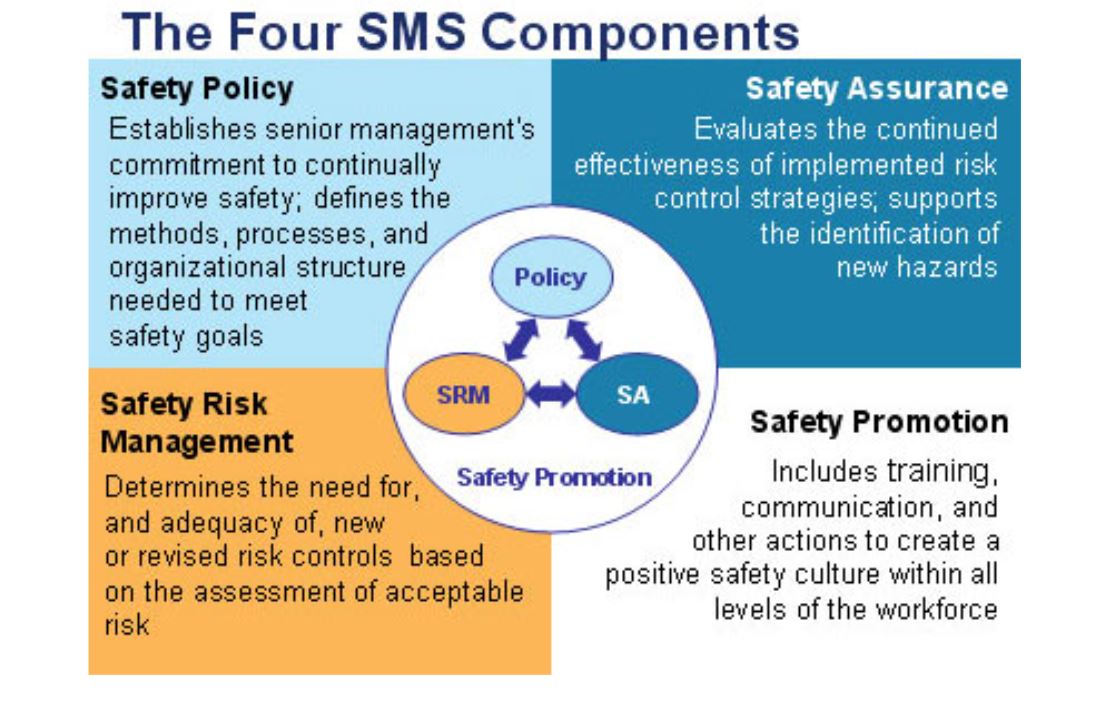
SMS, or Safety Management System, is a structured, organization-wide approach to managing aviation safety risk. Rather than focusing solely on individual incidents, it emphasizes proactive hazard identification, risk management, and continuous safety improvement. The FAA defines SMS around four core pillars: safety policy, safety risk management, safety assurance, and safety promotion.
In practice, SMS requires operators to establish formal processes for identifying hazards, assessing risk, tracking safety performance, and fostering a “just culture” that encourages reporting of safety concerns without fear of reprisal. It also places emphasis on ongoing monitoring to ensure risk controls remain effective over time.
The FAA extended SMS requirements beyond airline operations in its 2024 rulemaking, bringing a broad segment of commercial and on-demand operators under formal safety management requirements for the first time.
VAI’s survey indicates many operators are still early in the implementation process. While larger organizations report progress integrating SMS into existing safety programs, smaller operators often cite limited resources, uncertainty about implementation steps, or reliance on third-party consultants to bridge the gap.
The association also notes growing interest in structured SMS platforms and training tools as operators work toward compliance, though adoption and implementation remain uneven across the industry as the deadline draws closer.


Find it interesting that the FAA pushes this SMS stuff, but the FAA itself doesn’t have it’s own SMS!