















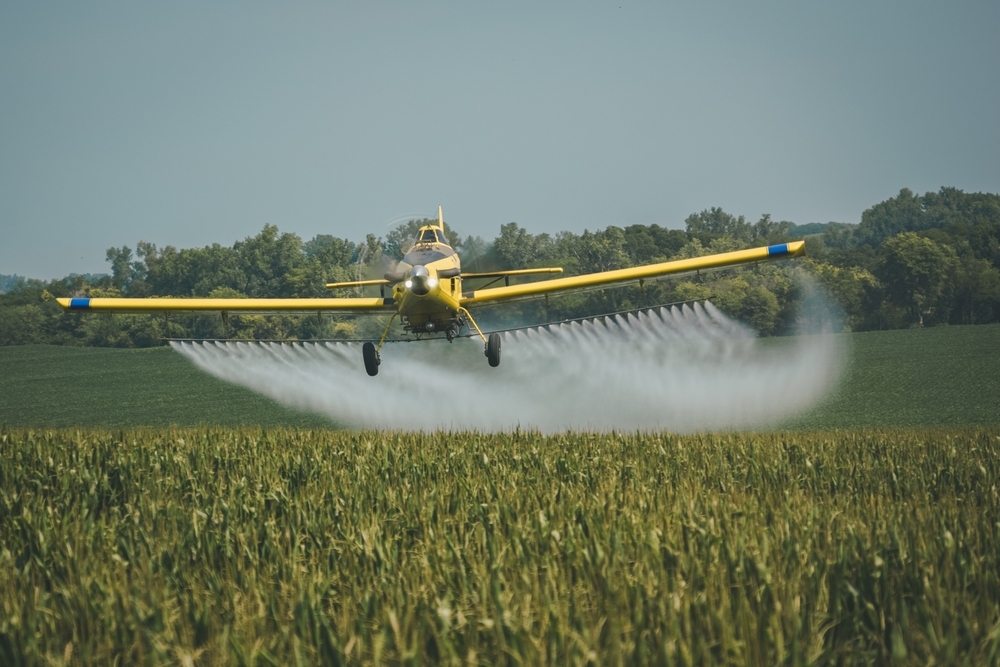

Reports of unsafe encounters between drones and manned agricultural aircraft increased during the 2025 growing season, according to the National Agricultural Aviation Association (NAAA). The organization said 20% of aerial application operators reported at least one unsafe interaction with a drone last year, up from 16% in 2024 and 11% in 2023. Agricultural aircraft routinely operate at low altitudes while treating crops, placing them in the same airspace used by most uncrewed aircraft systems.
“With the increasing number of uncrewed aircraft operations over the last few years, their operators must be aware of low-flying, manned agricultural aircraft,” NAAA CEO Andrew Moore said. “It is extremely difficult, if not impossible, for manned aircraft to see a drone while conducting aerial applications 10 feet off the ground at speeds of up to 140 mph.”
Drone operators are required by regulation to yield to manned aircraft, although NAAA further advises that those operators utilize visibility and tracking equipment, monitor the 122.925 MHz ag frequency and coordinate with local aerial application operations before flying. The association also recommends that properly trained and certificated UAS operators carry liability insurance and land immediately if a low-flying aircraft is in the area.
The FAA is also focusing on safe drone operations through its annual Drone Safety Day, scheduled for April 25. The event is an effort to promote responsible flying and awareness among drone users, encouraging operators to understand regulations and prioritize safety. According to the FAA, the campaign highlights collaboration between the agency and the drone community “to safely integrate drones into the National Airspace System.”
The discussion comes as broader regulatory proposals continue to examine how drones and manned aircraft will share low-altitude airspace. Although not yet in effect, proposed Part 108 language for UAS operations beyond visual line of sight (BVLOS), for example, has prompted concern among some operators over provisions that could give unmanned aircraft right-of-way in certain low-altitude operations, particularly when crewed aircraft are not equipped with ADS-B Out or similar electronic conspicuity technology.


Shooting down drones by law enforcement, when ever they fly over private property seems appropriate. Having southern US Air Force Air bases being attacked by drones and their saying there is nothing they can do; is highly erroneous. The US Government owns the airspace above their installations and can shoot down anything not authorized to be in that airspace! Private property owners own their airspace to the base of navigable airspace in most states. Meaning, unless a drone operator has contacted them in advance for permission to fly over their airspace, the drone should be shot down by law enforcement! Seems obvious to me! Below 1000 feet above ground level, drones get to fly over: roads, streets, alleys, boulevards, and highways only. Make certain everyone knows this; drone operators especially!