
















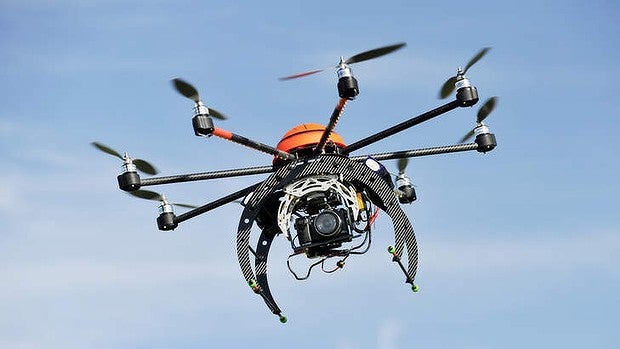
The FAA Thursday released its UAS Roadmap and Comprehensive Plan to integrate unmanned aerial systems, or UAS (also known as UAVs or drones) in the national airspace. The release addresses current and future policies, regulations, technologies and procedures that will allow operation of unmanned aerial vehicles in the nations airspace with emphasis on extensive integration. Six yet to be designated test sites will be required to maintain a written plan for using and retaining data. The FAA says it intends to establish regulations over the next five to 10 years, attempting to integrate with changes that will arrive as part of NextGen air traffic control. Congress had previously set an earlier deadline.
The FAA intends to use special procedures to accommodate limited use of unmanned aerial vehicles over the next several years. Congress previously ordered the FAA to develop a comprehensive plan near 2015. The FAA, through Administrator Michael Huerta, said, We are dedicated to moving this exciting new technology along as quickly and safely as possible. For now, that method will integrate systems on a case-by-case basis in the near future. The FAA emphasized that changes are coming to the airspace system over the next 15 years and new certification standards for aircraft and drones as well as new training approaches for pilots and controllers will be put in place along with new navigation requirements. As integration of these components expands, approvals for drone operation will change. The FAA also addressed privacy protections by saying that it is not offering specific views on how the federal government regulates privacy. Find the FAAs document, Integration of Civil Unmanned Aircraft Systems (UAS) in the National Airspace System (NAS) Roadmap available as a PDF, online.

