














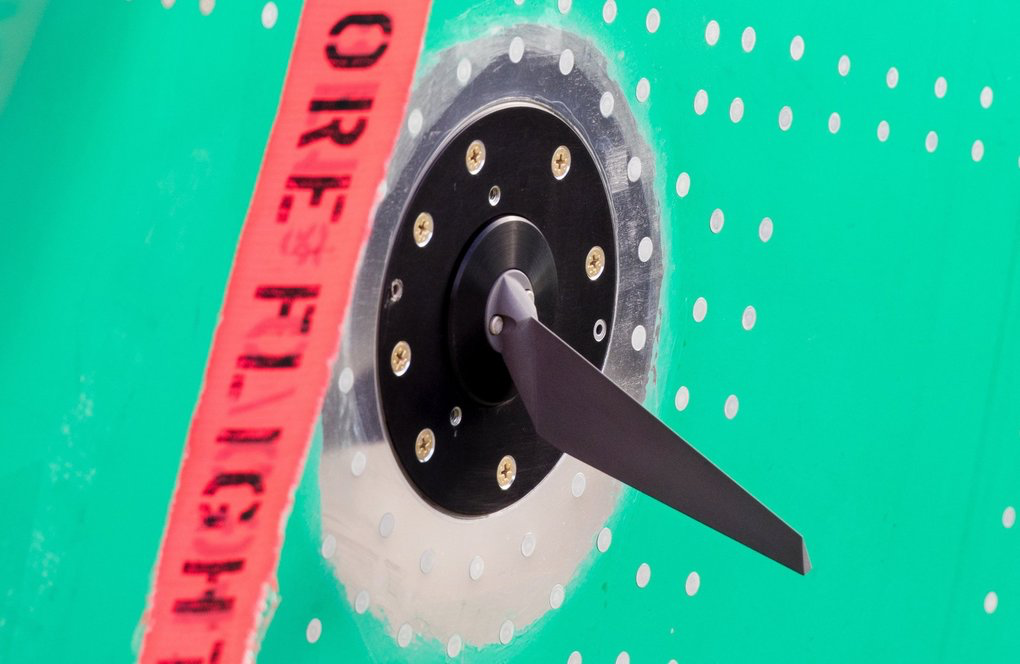

The FAA published an InFO (Information For Operators) sheet last week detailing its concerns about human damage to angle-of-attack sensors. “It is imperative that all operators are aware of the criticality of AOA sensors,” the notice says.
“Based on continued airworthiness activity on multiple foreign and domestic products, including large transport aircraft and small general aviation aircraft, FAA has determined it is necessary to advise operators of the importance of performing proper operations and maintenance on AOA sensors,” says the FAA.
Of course, the notification comes after both the Boeing 737 MAX crashes where faulty AOA information and the temporary grounding of the Cirrus Vision Jet after the company found anomalies in its AOA sensors that led to activation of the anti-stall system.
Says the FAA, “There are multiple entities involved with the operation and maintenance of aircraft, such as aircraft operators, certificate holders, maintenance providers, ramp service providers and miscellaneous service providers. Regardless of certification basis, it is imperative that all operators are aware of the criticality of AOA sensors and the potential for damage during normal operations, maintenance procedures, servicing procedures, and any other procedures around an aircraft where damage to an AOA sensor could occur.”
