















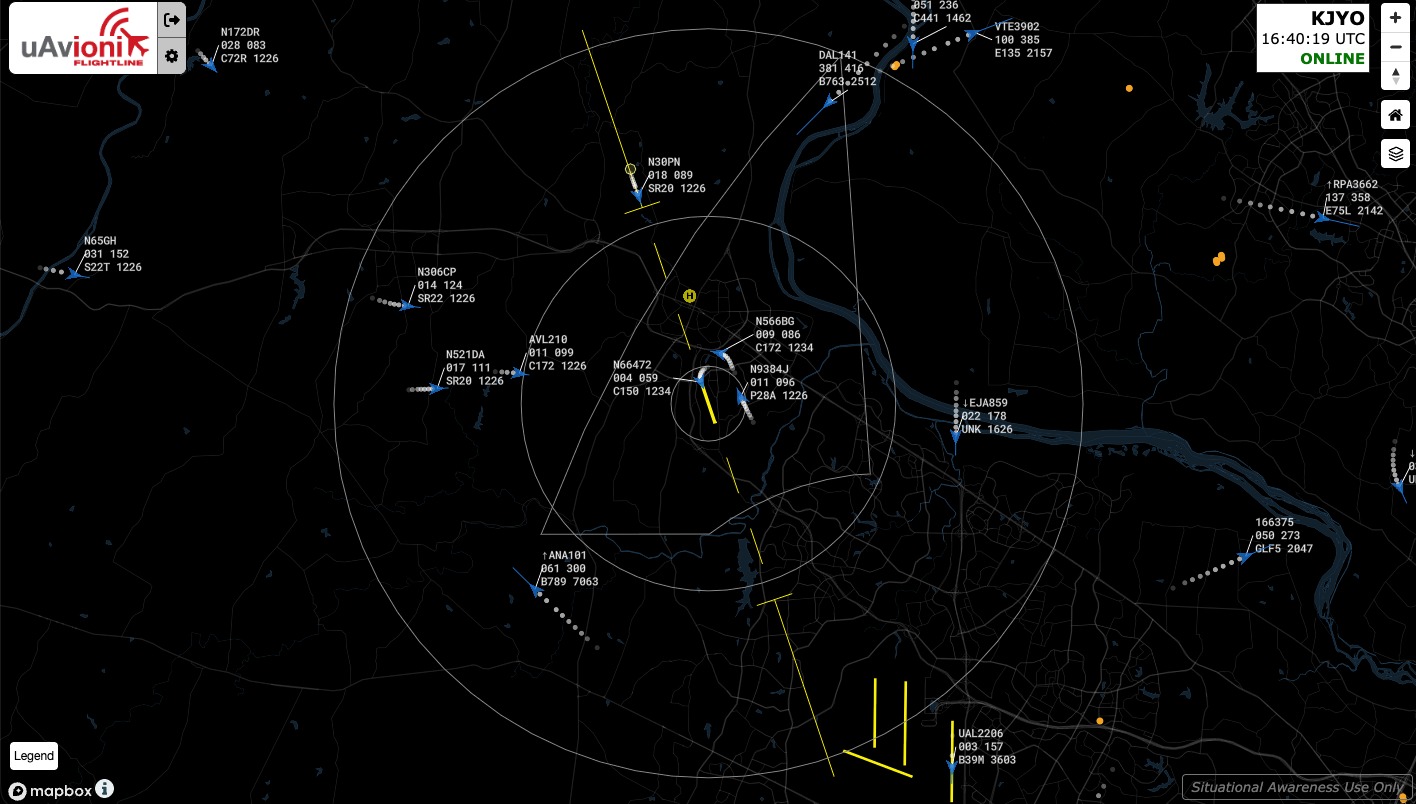

Sens. Tim Sheehy (R-Mont.) and Jeff Merkley (D-Ore.) introduced bipartisan legislation last week that would require the FAA to install Airborne Position Reference Tools (APRT) at federal contract towers that do not already have radar-integrated systems. The Air Traffic Situational Awareness Enhancement Act would direct the agency to acquire and deploy the technology at more than 90 towers lacking Standard Terminal Automation Replacement Systems (STARS) or similar equipment. Sens. Steve Daines (R-Mont.) and Ron Wyden (D-Ore.) are co-sponsors of the measure.
Under the proposal, the FAA would need to install APRT within a year of enactment and establish training to ensure controllers are able to integrate the systems into daily operations. The bill would also authorize funding from the agency’s Facilities and Equipment account to cover acquisition, installation and operating expenses. Airports that have already installed APRT would be eligible for reimbursement.
According to background information released by the sponsors, more than 90 federal contract towers operate without surveillance displays, relying primarily on visual observation and radio communications to separate traffic. Congress directed the FAA in the 2024 reauthorization act to approve technologies intended to improve situational awareness at those towers, and the agency approved the first APRT last summer.
Supporters say the measure would expand access to ADS-B–based situational awareness tools at smaller airports.
“America is the birthplace of aviation, and our hardworking air traffic controllers deserve the tools and support to do their jobs safely and effectively,” Sheehy said.
Merkley said the bill would “unlock resources for these airports to make critical safety upgrades if they need it.”
In a statement released by the National Business Aviation Association, President and CEO Ed Bolen APRT is a necessary tool for reducing risk at airports nationwide.
“APRT is critical to reducing risk and maintaining operational safety,” Bolen said. “We are pleased to see this important safety legislation introduced in the Senate and urge its swift passage.”
The legislation is also endorsed by the Airlines for America, Regional Airline Association, Aircraft Owners and Pilots Association and the U.S. Contract Tower Association, among others.


This shouldn’t be a big deal. Shucks, I can turn on internet traffic on Garmin Pilot.