






This summer, two commercial passenger aircraft came within seconds of colliding over Hartsfield-Jackson Atlanta International Airport before their safety systems intervened. The final line of defense was their traffic collision avoidance systems (TCAS). TCAS is an onboard safety system that alerts pilots to other aircraft in their vicinity. If the system detects a potential flight path conflict, it will issue alerts to the flight crew. These alerts are intended to bring awareness to the other aircraft and, if needed, instruct the crew to avoid the conflict.
Essentially, TCAS is a final line of defense, alerting pilots after loss of separation has occurred; this could be the result of technical errors, controller oversight failures, or limitations in pilots’ situational awareness. The pilot then follows the system’s commands, helping everyone reach their destination safely, as was the case in Atlanta.
Reliant on predictable human behavior
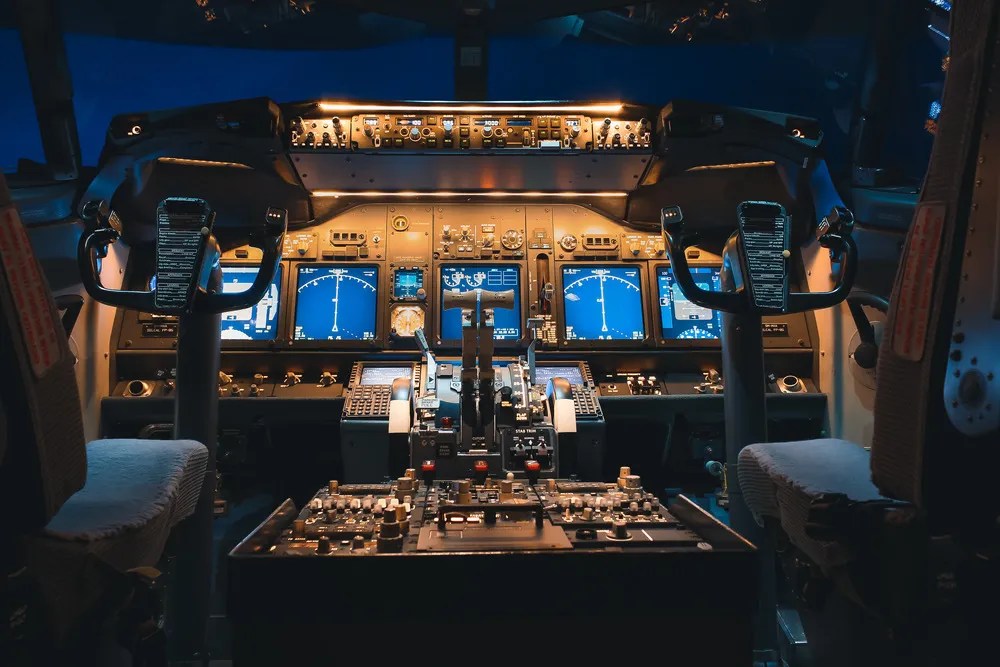
These outcomes rest on the assumption that both the technology and the crew will always perform as expected. With Resolution Advisories (RA), the highest level of alert, there is a potential startle factor, combined with a very brief decision-making window. The crew will want to understand what is going on and may confirm the loss of separation by looking to other sources of information (i.e. looking out the window or at available flight deck displays). Pilots are used to having air traffic control direct them, and they might be awaiting instruction from the tower. These are all factors that may delay responses in situations where there’s very little room for error.
Under the International Civil Aviation Organization standards, a pilot’s response to an RA is expected within five seconds of the alert (and half of that time in the case of a reversal). This puts significant pressure on pilots to perform maneuvers with both speed and accuracy. A study has found that the RA response decision window may be too small for even the best trained crew to always execute commands accurately, with nearly half of pilots responding weakly or incorrectly, not for lack of expertise, but due to understandable human factors. Near misses happen in the US daily, so the importance of having the best available collision avoidance technology in the flight deck is paramount.
Reliable today, better tomorrow
US lawmakers have recognized these pressures and are proposing regulation that would mandate ADS-B In technology in the flight deck. This mandated display of ADS-B traffic information would provide pilots with better situational awareness of surrounding traffic, allowing for a more proactive role in separation management.
ADS-B In is the receiving half of the ADS-B system already fitted to commercial aircraft. It gives pilots a GPS-precise view of surrounding traffic up to 180 nautical miles, updated every second.
Pairing a reactive system like TCAS II with one that offers proactive traffic awareness can earn the crew additional time to react, so conflicts are managed before the last-resort collision avoidance layer is called upon.
The winning combination
The benefits of ADS-B In would go beyond the flight deck. En route, for instance, ADS-B In can help by optimizing spacing through Interval Management. In our trials, ATC spent noticeably less time talking to ADS-B In-equipped aircraft, freeing the controllers to focus on their primary job, maintaining a safe airspace. Quite simply, the technology works with the procedures and the people, not instead of them.
Collision avoidance systems will remain at the heart of aircraft safety. It’s a proven last line of defense. As airspace gets more congested and with the rise of EVTOL craft, pilots, passengers and ATC deserve the benefits of combining both reactive and awareness based technologies to ensure we truly have safer skies.
0 replies