
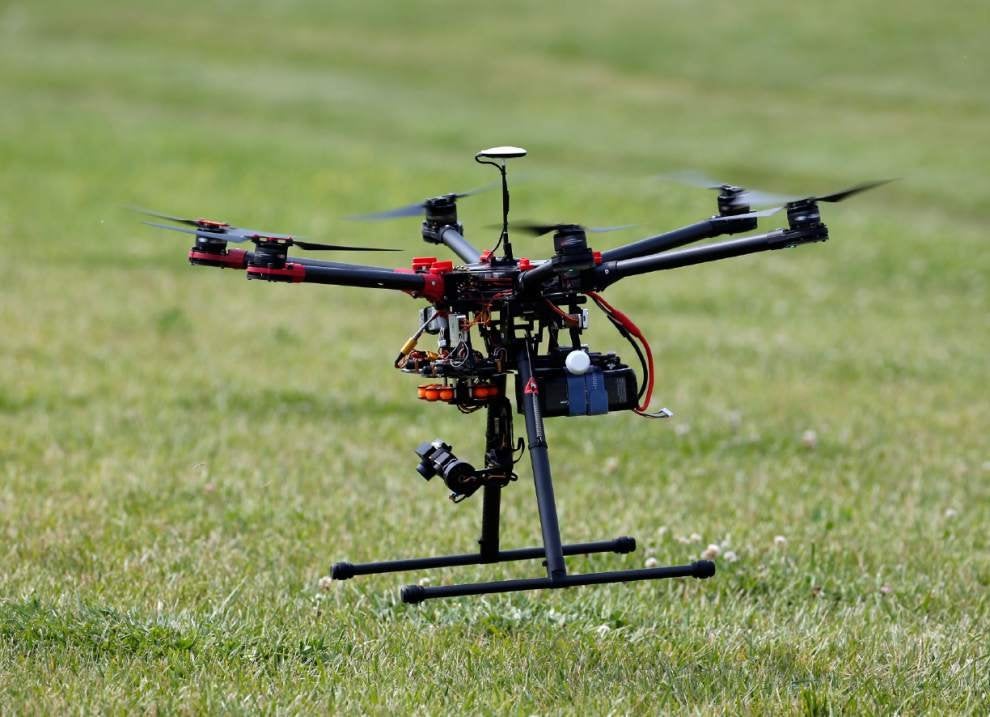
An aerospace company’s new study on the hazards of toy drones mixing with manned aircraft concludes that the safety risks are greater that those of bird strikes. The study (PDF) from Aero Kinetics, “The Real Consequences of Flying Toy Drones in the National Airspace System,” concludes that rotorcraft pilots are at the highest risk of dying from a head-on drone collision. It noted that an aircraft’s impact with a drone made up of batteries, carbon fiber, metal and other “inorganic material” would be more catastrophic than a collision with a bird. Aero Kinetics also wants to see some standards set for drones along with the pending registration rules the FAA wants to put into effect this year. The study looked at government data on aircraft bird strikes, calculated the comparative physical force of a drone-aircraft collision and the potential damage and injury toy drones could cause in collisions and engine ingestions. In 2013, there were 444 damaging bird strikes, and these collisions cost an estimated $951 million annually, the study said. Meanwhile, hundreds of thousands of toy drones are expected to be in consumers’ hands in the coming weeks, posing a large-scale risk, says Aero Kinetics, which also develops unmanned aerial systems for businesses.
Aero Kinetics CEO W. Hulsey Smith told AVweb this week he wants to see a consortium formed with toy drone makers, the FAA and other parties to have “an honest conversation” on ways to prevent drone strikes. The proposed registration rule for drones as light as a half pound, submitted by an FAA-appointed task force this week, is a step in the right direction, Smith said via email. “It’s a good idea to register drones. Our cars are registered. Airplanes are registered. Boats are registered. For some reason registration brings some form of accountability along with it,” he said. “We stand behind FAA policy, and would like to see some form of reasonable airworthiness certification in place for toy drones that provides for public safety.”