
















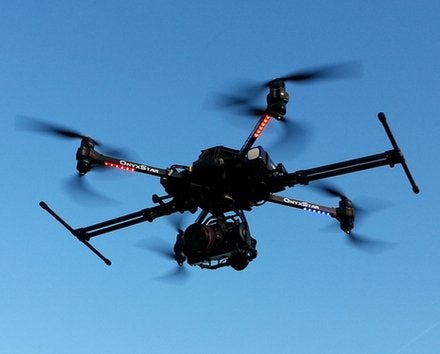
The FAA’s proposed rule for allowing small unmanned aircraft systems (under 55 pounds) into the federal airspace drew more than 4,400 comments, including input from aviation advocacy groups. Several of the advocacy groups, including EAA, AOPA and GAMA, said the FAA should lower its ceiling for small UAS ops to 400 feet, instead of 500, to provide a buffer between UAS and manned aircraft. EAA said drones should have onboard systems that would automatically terminate a flight in the event of a loss of communications with the operator, and manned aircraft operators should not be required to install new equipment as a consequence of UAS integration.
AOPA suggested that drones should be required to be equipped with technology that would automatically restrict their operations to within the allowed boundaries, and operators should be required to pass an online knowledge test every two years. NBAA said it was concerned that the proposed rules would require UAS operators to contact ATC facilities using aviation airwaves, when there is no requirement for those users to be trained in proper terminology and procedures. UAS operators should use an “alternate means of communication,” NBAA said. GAMA said the rule fails to consider conflicts between UAS and low-flying aircraft such as helicopters and crop dusters. The Air Line Pilots Association suggested the FAA should set standards for testing the proficiency of UAS operators. The FAA now will review the comments before publishing a final rule, which is expected to take up to 18 months.

