










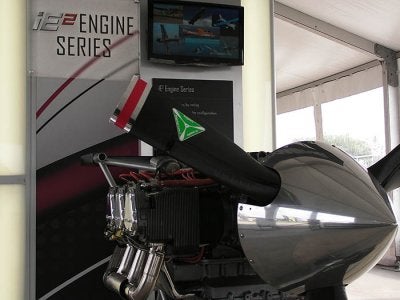
Moving the general aviation fleet off of 100LL and onto an unleaded fuel will bring positive changes and features to powerplants that pilots will want, Lycoming’s Michael Kraft said Wednesday at AirVenture. The company says moving from leaded fuel would unlock the full feature set of its iE-2 FADEC engine for the GA market in part because leaded fuels contaminate certain FADEC sensors (octane, for example) “immediately.” If that potential could be unlocked, said Kraft, Lycoming’s full FADEC would be more advanced than turbine or automotive engines. And Kraft made clear he doesn’t believe the obstacles involved in finding a lead-free solution are technical.
“I’m above 99.8-percent confident that there are technical solutions,” he said, adding that regulatory structure and logistical supply and distribution issues were more relevant concerns. FADEC engines, he said, struggle through the regulatory process for the simple fact that the regulations were not written with consideration for that kind of technology. Changes to Part 23 (which moved Tuesday through the Senate Commerce Committee) will help, but changes to other sections could be more useful, he said. Meanwhile, the company has a different approach to the development of Jet-A burning powerplants. Lycoming has heavily invested in developing a parts service and support infrastructure for SMA Jet-A burning engines and Kraft says the company intends to continue that support. Kraft said diesel engines created new opportunities, but conditions including initial purchase price, local fuel availability and distribution channels were as likely to influence purchase decisions as were operational efficiencies. In some cases, said Kraft, “gas can be more efficient and less costly.”