
















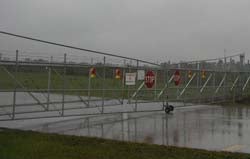
EAA and AOPA have weighed in on the FAA’s new policy on through-the-fence agreements and both are asking the agency to back off. The new policy effectively outlaws the deals, in which property owners on land adjacent to an airport are granted access, usually via a gate that leads to a taxiway. Although the FAA has always officially frowned on such arrangements, it has given local authorities latitude to approve them in cases where it helped the airport and paid its own way. That changed in September with the release of the new policy, which includes the line that “there are no acceptable residential through-the-fence agreements.” What’s especially troubling to AOPA is that the directive appears to order any FAA-funded airports to cancel existing agreements that don’t have end dates, something that could result in expensive litigation. EAA, however, says there’s a place for the agreements and they should be allowed in some circumstances.
“The prior FAA policy, which allowed adjacent residential property through-the-fence agreements on a case-by-case basis based on the economic and operational needs of the public airport, and when safety, security, and equitable compensation issues were addressed, must be continued,” wrote EAA’s Government Relations Director Randy Hansen. Brent Blue, who has founded an organization, told AVweb the FAA has failed to justify its move to ban through-the-fence arrangements. When he first found out about the looming policy through dealings with his local airport in Driggs, Idaho, he said he was told that noise complaints from people living in the adjacent hangar homes were behind the move. A Freedom of Information Act request (delivered five days late by the FAA) showed no record of noise complaints from hangar home residents.
Related Content:
- AOPA’s response (PDF)
- EAA’s response (PDF)

