














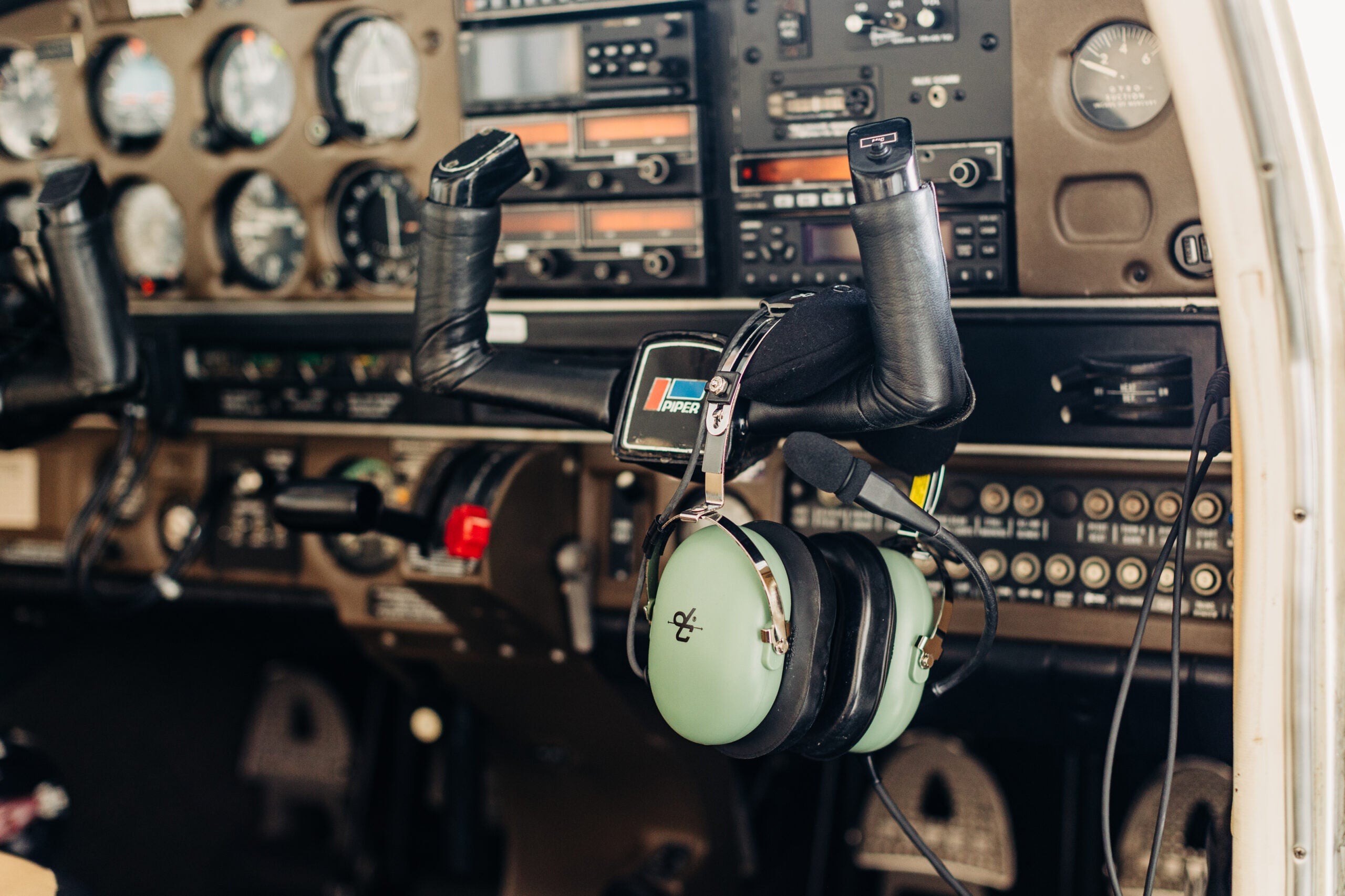

Embarking on flight training involves a steep learning curve, and having the right tools can make the process smoother, more efficient, and safer. While no single piece of equipment is a substitute for skill, outfitting a student pilot with dependable gear enhances learning, communication, and confidence. Insights gathered from student pilots across the country highlight the essential items that make a significant difference in training.
Essential Cockpit Equipment
Certain items are fundamental for cockpit operations, directly impacting a student’s ability to communicate, navigate, and maintain situational awareness.
Aviation Headsets
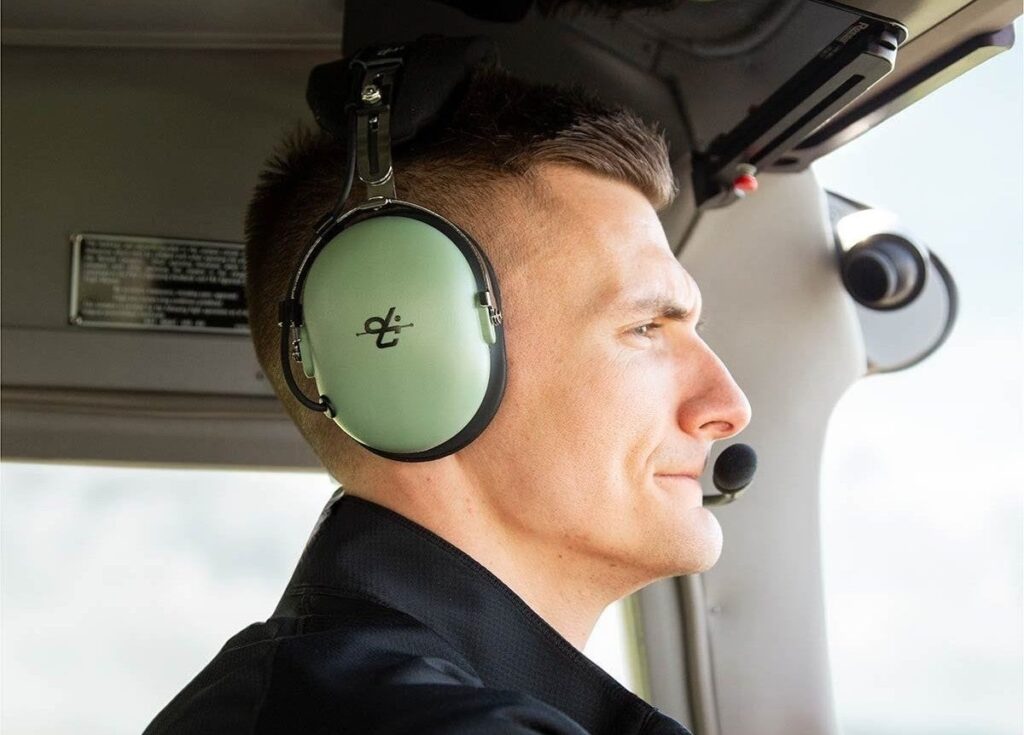
Clear communication with instructors, air traffic control, and other aircraft is nonnegotiable. A poor-quality or uncomfortable headset can be a significant distraction. Many student pilots begin with the David Clark H10-13.4 headset, which is regarded as a standard for its durability, effective passive noise reduction, and clear audio.
Alina Martinez, a student pilot in Oregon, noted the difference a quality headset makes. “I tried borrowing different headsets before I bought my own,” she says. “Once I put on the David Clarks, it was night and day. The comfort and clarity made long cross-countries so much easier to manage.”
While newer models from Bose and Lightspeed offer advanced features like active noise cancellation and Bluetooth connectivity, they come at a much higher price. Many pilots choose to invest in these premium headsets after earning their private pilot license.
Electronic Flight Bags and Accessories
Electronic flight bags (EFBs) have become a cockpit staple, providing real-time weather, navigation, checklists, and flight plan filing. While proficiency with paper charts remains a necessary skill, EFBs streamline flight management.
The iPad Mini is a common choice for EFB hardware due to its compact size, which is less obstructive in smaller aircraft cockpits. “I started with a regular iPad, but it was bulky and overheated easily in the cockpit,” says James Lowell, a student pilot in Texas. “Switching to an iPad Mini with a good kneeboard changed the game.”
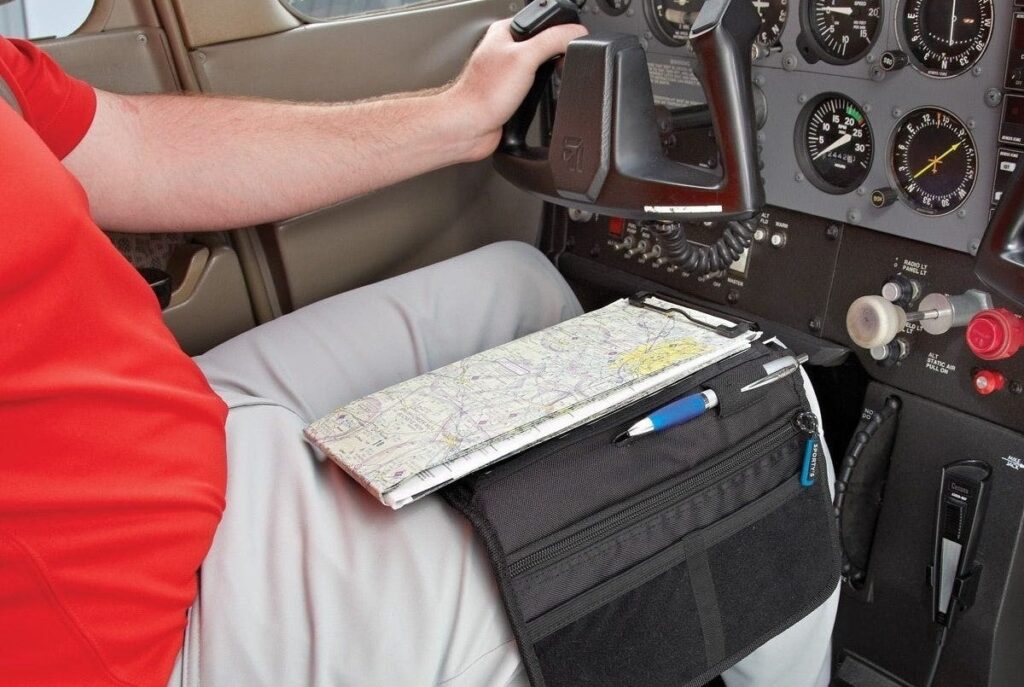
A recommended accessory is the Sporty’s Flight Gear Bi-Fold Kneeboard, which securely holds the device and includes space for a notepad. In terms of software, ForeFlight is the industry standard but comes with a significant subscription cost. A more budget-friendly yet highly functional alternative for students is iFly EFB.
Sunglasses
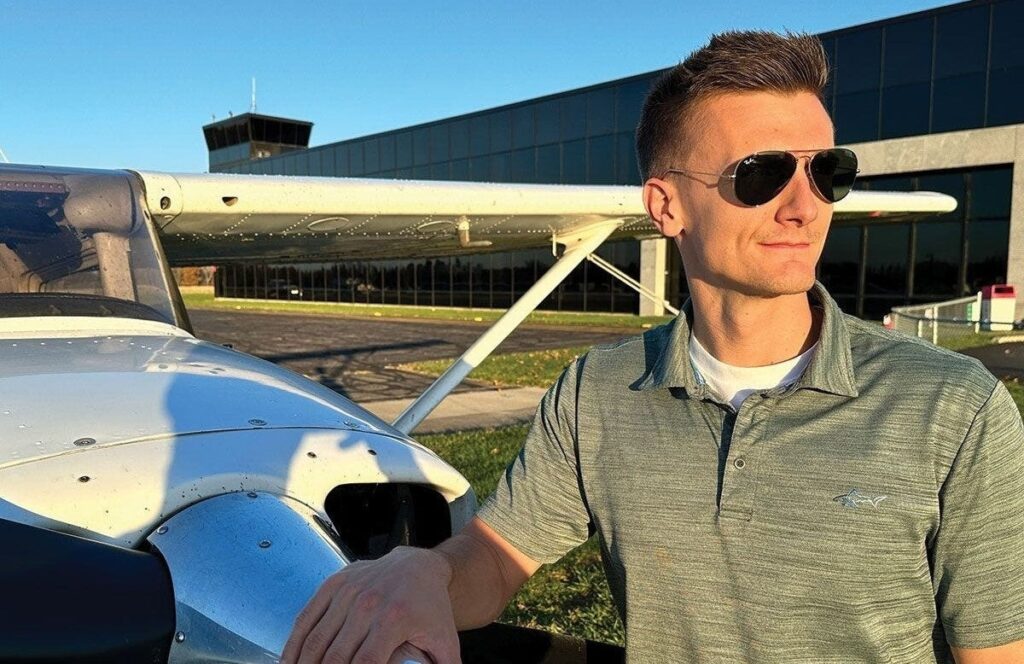
A quality pair of sunglasses is crucial for reducing eye fatigue and improving visibility. It is critical to avoid polarized lenses, as they can interfere with the readability of digital cockpit displays and instruments. Student pilots should seek out nonpolarized lenses, specifically those designed for aviation use. These sunglasses are constructed to be worn comfortably under a headset for extended periods, preventing the discomfort that can come from standard frames. Ray-Bans are always a popular pick.
Organization and Study Tools
Staying organized on the ground and in the air is key to successful training. The right bag and study materials support this process.
The Flight Bag
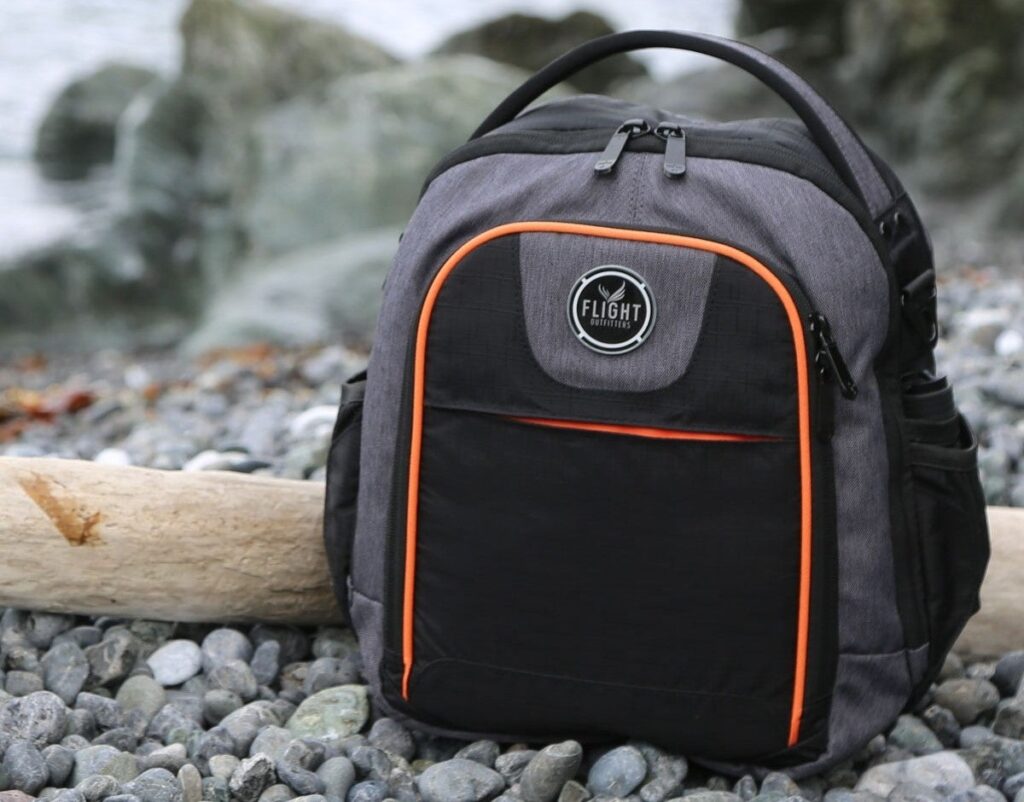
A purpose-built flight bag helps keep gear, documents, and other essentials organized. Flight Outfitters is a popular brand among general aviation pilots, with its Lift Bag being a notable option. This model is recognized for its rugged design, padded headset compartment, and sufficient storage that isn’t bulky.
Maria Dale, a student pilot in Florida, uses one and notes its popularity. “I keep my headset, logbook, charts, snacks, and sunglasses in there, and there’s still room to spare,” she says. “It’s a really popular brand with other pilots at my school and came recommended to me.”
Other essential items to keep in a flight bag include a portable charger, a backup paper chart, a water bottle, and weather-appropriate clothing like a jacket.
Ground School and Review Materials
Digital learning resources have made ground school more accessible. Popular online platforms for student pilots include Fly8MA, Pilot Institute, and Sporty’s Learn to Fly Course. Each offers a different teaching style, so prospective students may benefit from viewing their public content on platforms like YouTube before committing to a course.
“I started with Fly8MA and then added Pilot Institute for check ride prep,” says Ethan Roane, a student pilot in Michigan. “It was super helpful to hear topics explained in slightly different ways—it made things click better.”
A growing trend among students is the use of portable, mountable cameras to record flight lessons. This practice allows for detailed review and debriefing. “I use a mountable camera to record my flight lessons on almost every flight,” says Ben Starnes, a student pilot in California. He notes that reviewing footage with radio audio helps him catch small errors in checklist flow or radio calls and has helped him improve faster. Any student considering this should first get approval from their instructor and ensure compliance with all FAA and airport regulations.
FAQ
What is a good headset for a student pilot? Many students start with the David Clark H10-13.4 headset, which is considered a standard due to its durability, passive noise reduction, and audio clarity. While more advanced models with active noise cancellation exist from brands like Bose and Lightspeed, many pilots upgrade to these after earning their license.
What is an EFB and which one should I get? An Electronic Flight Bag (EFB) is a device used for navigation, weather, and flight planning. The iPad Mini is a common hardware choice because of its compact size. For software, ForeFlight is the industry standard but is expensive; iFly EFB is a more budget-friendly and functional alternative for students.
Why can’t pilots wear polarized sunglasses? Polarized lenses can make it difficult to read digital screens and instruments in the cockpit. Pilots should use nonpolarized lenses, and aviation-specific sunglasses are recommended as they are designed for comfortable wear under a headset.
What should I look for in a flight bag? A purpose-built flight bag is recommended to keep gear organized. Flight Outfitters is a popular brand, and its Lift Bag is noted for a rugged design and a padded headset compartment. Essentials to carry include a headset, logbook, charts, and a portable charger.
What are some recommended online ground schools? Popular digital learning platforms for student pilots include Fly8MA, Pilot Institute, and Sporty’s Learn to Fly Course. Each has a different teaching style, so it’s a good idea to explore their content before choosing one.
Can I record my flight lessons? Using a portable camera to record lessons is a growing trend that allows students to review their performance. However, you must get approval from your flight instructor and follow all FAA and airport regulations before recording any flight.
AVweb may earn revenue from the products available on this page and participate in affiliate programs.

0 replies