














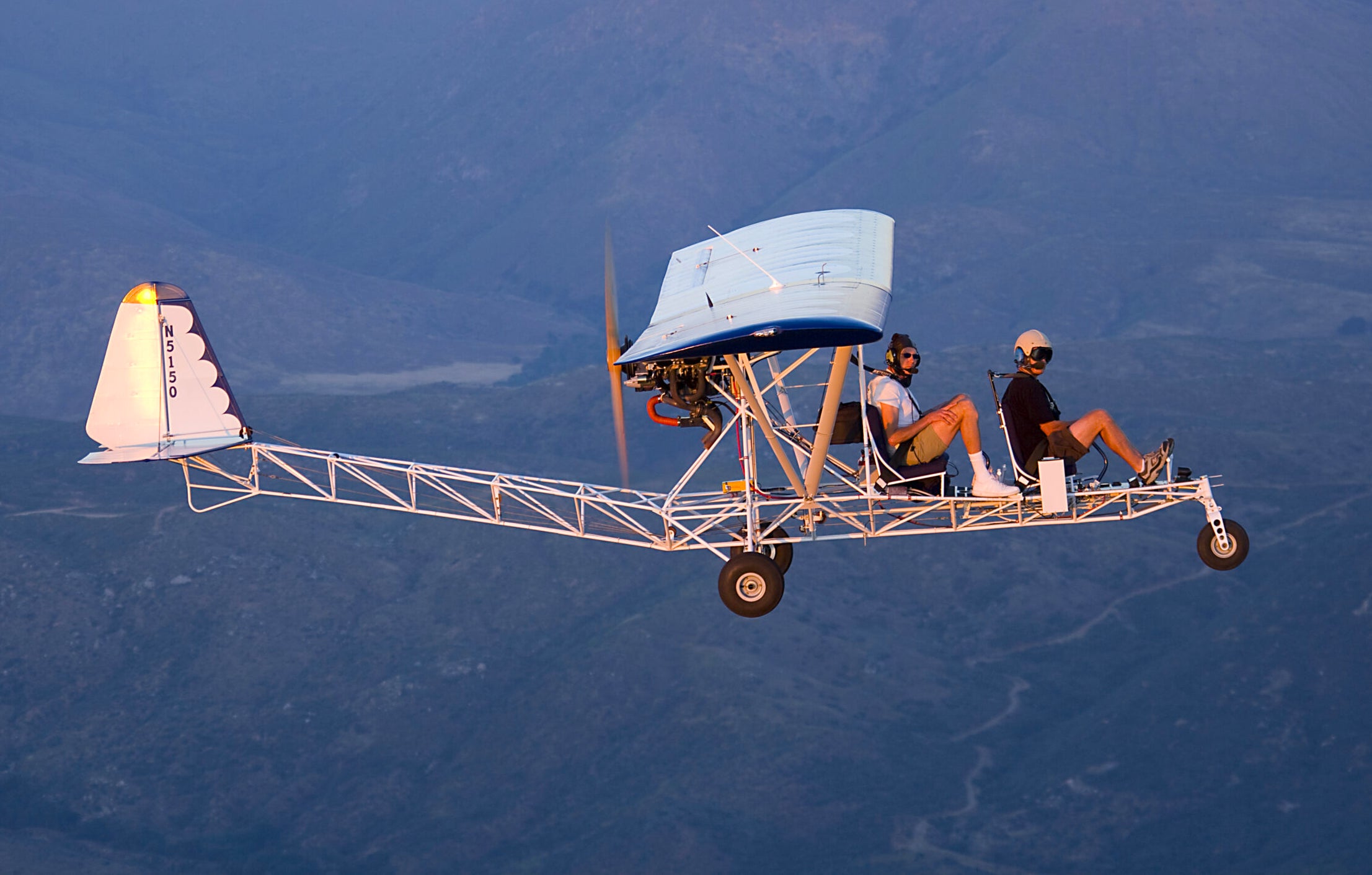

Touting changes that could “revolutionize” flight testing for experimental/amateur-built aircraft, the Experimental Aircraft Association says that the FAA recent draft guidance on Phase I flight testing could change from a pure hours-based system (25 or 40 hours for most homebuilts) to a task-based system that could cut flight hours and improve the quality of the typically builder-completed Phase I testing. All amateur-built aircraft are expected to undergo an initial flight-test period, called Phase I, that has serious restrictions on the nature of the flights.
EAA points out that changes to the Advisory Circular (AC 90-89B) will specify certain test points and will require “the use of test cards for data collection in flight. Users of the EAA Flight Test Manual should find it a straightforward way to complete the requirements of the task-based Phase I program, but anyone may draft a flight test plan that meets the FAA’s outline, including kit manufacturers and other experts.” The hour-based testing systems are expected to remain an option. EAA in 2018 published a comprehensive Flight Test Manual that defines specific flight test tasks and uses “flight cards” to ensure each test is set up and executed properly.
“[The AC changes are] the result of more than eight years of work by EAA and the FAA and we couldn’t be happier that it is now nearing completion,” said Tom Charpentier, EAA government relations director. “This will be a true paradigm shift in E-AB flight testing.”
The AC is open for comments now through April 29. The new guidance will not affect the five-hour Phase I testing required for experimental light sport (E-LSA) aircraft.
