
















The FAA has issued McKinney National Airport a Part 139 Airport Operating Certificate, clearing the North Texas airport to accommodate commercial passenger airline service. The agency said Thursday that McKinney is the first Texas airport to receive an Airport Operating Certificate since 2005.
“The community around McKinney is growing rapidly, and accommodating commercial flights will provide the community with greater access to air travel options,” FAA Associate Administrator for Airports Dan Edwards said. “We’re building a stronger National Airspace System, which means providing Texans with the modern, reliable local airports they need to stay connected.”
Passenger Flights Begin in November
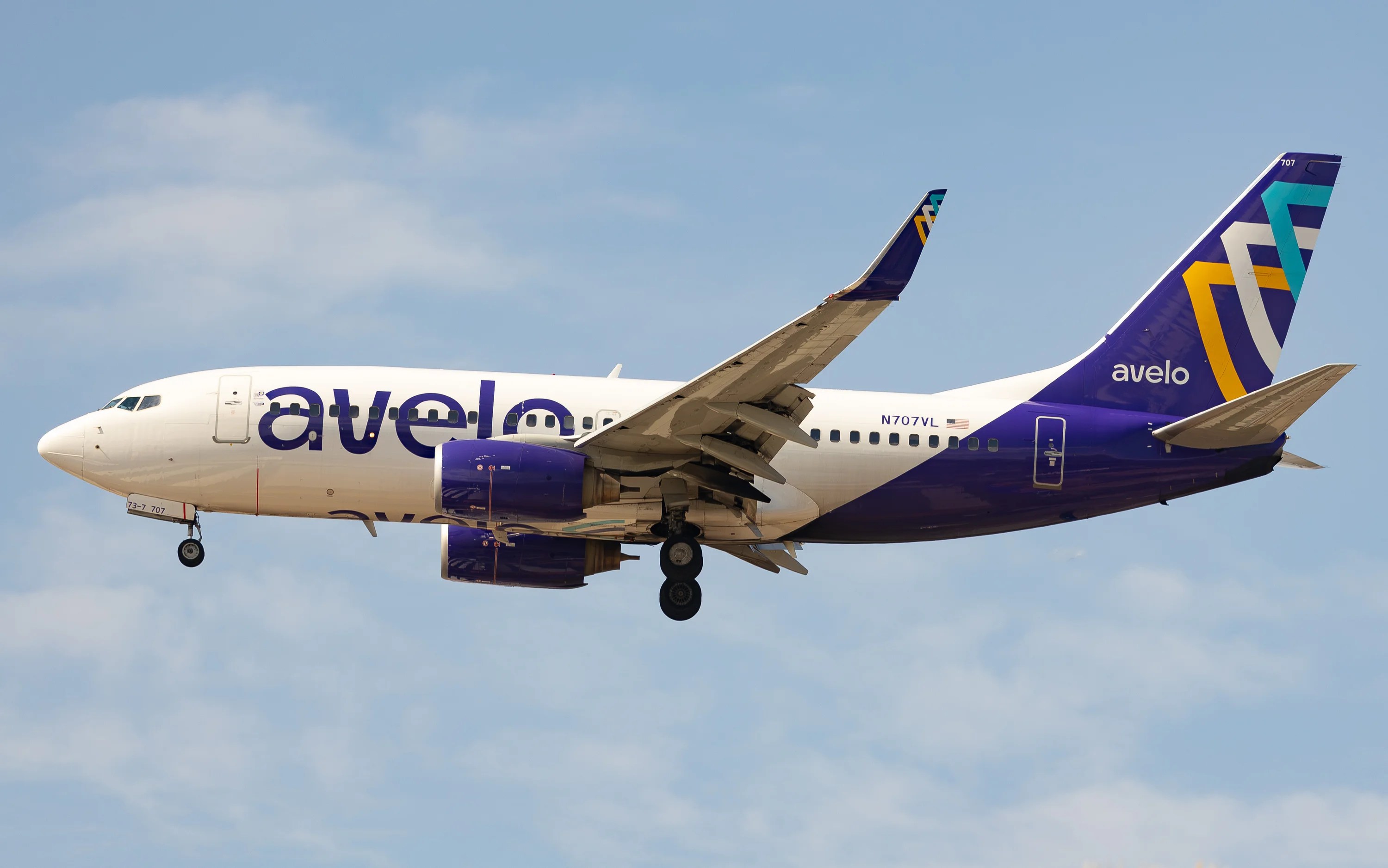
The certification comes as McKinney prepares to open its new 46,000-square-foot passenger terminal Nov. 11. Avelo Airlines is scheduled to begin service from the airport that day, with an initial network of five destinations before adding Atlanta, Denver, Nashville and New Orleans in December. The city said Thursday that Avelo plans to base a third aircraft at McKinney and is expected to create more than 100 jobs at the airport.
McKinney has operated as a general aviation airport for more than 40 years and has continued attracting GA investment, including a major Cirrus Aircraft facility expansion. GA operations will continue under TKI, while commercial passenger bookings will use the IATA code DTX. The new passenger terminal will initially have four gates, with room to expand to six.
FAA Investment Tops $9 Million
Obtaining a Part 139 certificate requires airports to meet federal standards covering runway and taxiway conditions, aircraft rescue and firefighting, emergency planning, wildlife hazard management and personnel training.
The FAA said it has invested more than $9 million in McKinney infrastructure, including taxiway construction and upgrades to the airport’s federal contract tower. The certification represents a major regulatory step in a years-long effort to bring scheduled airline service to an airport that will now accommodate both commercial and general aviation traffic.


0 replies