


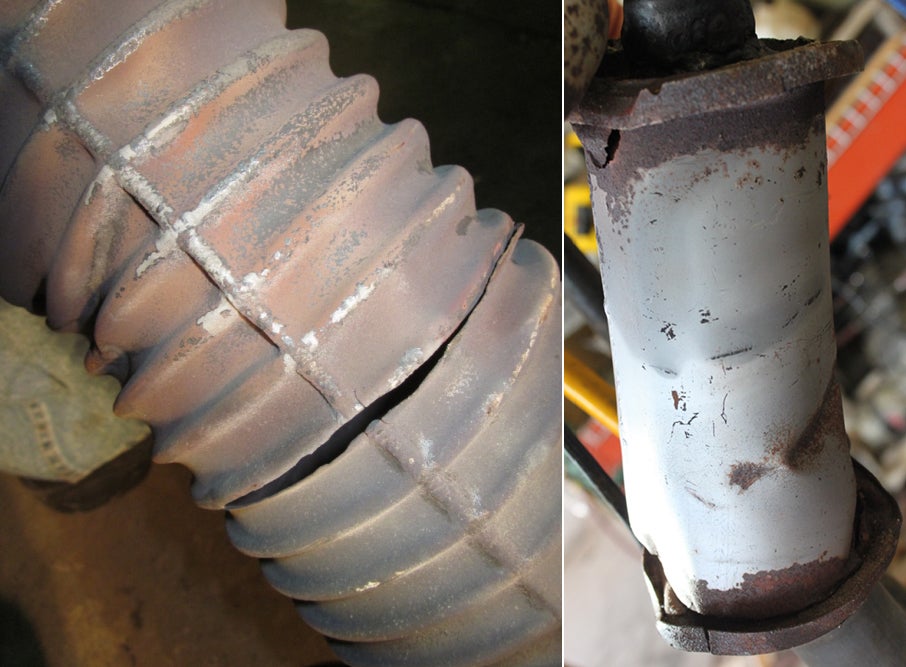

The National Transportation Safety Board (NTSB) released a safety recommendation report on Thursday calling for the FAA to require carbon monoxide (CO) detectors in general aviation aircraft. In addition, the report specifies that the agency should require CO detectors that comply “with an aviation-specific minimum performance standard with active aural or visual alerting.” The recommendation applies to all enclosed-cabin aircraft with reciprocating engines.
“The FAA’s current recommended exhaust system inspections and replacement schedules have not prevented fatal aircraft accidents due to CO poisoning,” the NTSB said in its report (PDF). “The NTSB is concerned about the continued hazards resulting from CO poisoning because the FAA does not require CO detectors on enclosed-cabin aircraft. The NTSB concludes that use of a functional CO detector to alert a pilot through visual and auditory means to the presence of CO before the pilot’s judgment is impaired is necessary to the continued safe operation of the aircraft.”
The NTSB says it has identified 31 accidents attributed to CO poisoning between 1982 and 2020, 23 of which were fatal. Of those, it found that only one of the accident aircraft was equipped with any kind of CO detector. The Board first asked the FAA to require CO detectors in GA aircraft with enclosed cabins and forward-mounted engines in 2004.
