















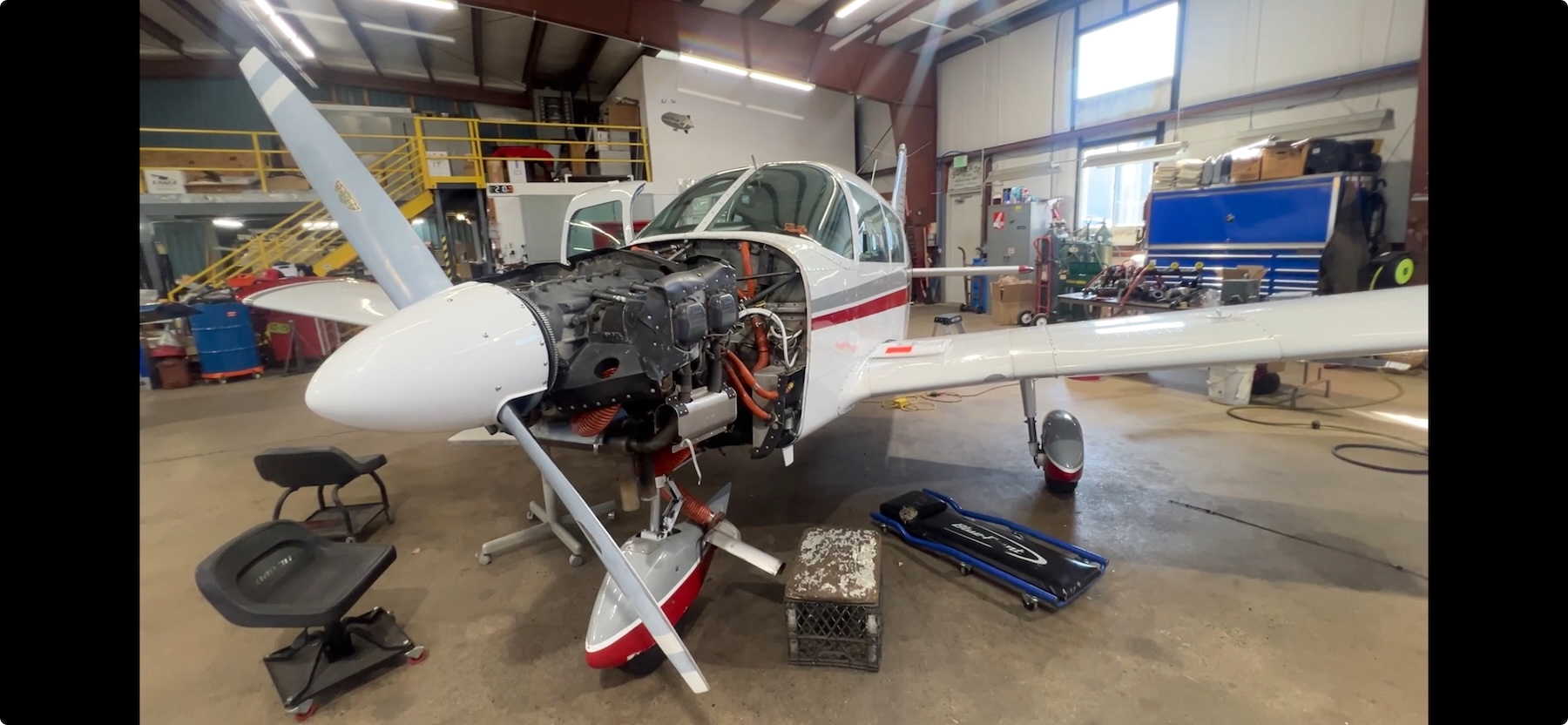

The Aeronautical Repair Station Association (ARSA) is on the hunt for industry feedback on FAA Advisory Circular (AC) 43.13-1B titled Acceptable Methods, Techniques, and Practices— Aircraft Inspection and Repair. ARSA has opened a short survey to be completed by maintenance professionals to collect the data.
The AC primarily supports independent mechanics, technicians and repair stations that maintain general aviation aircraft. The FAA has reached out to industry to help review the AC. In addition, ARSA will collaborate with the Aircraft Electronics Association in collecting input in advance of an in-person meeting to be held July 15-16.
The Advisory Circular review focuses on clarifying and revising the content, eliminating redundancy and updating for new technologies. ARSA self-describes as “dedicated to helping member companies operate more efficiently and effectively, while continuing to ensure the safety of aircraft worldwide.”


At the beginning of the year the FAA was interpreting FAR 43.3(d) to say that a supervising mechanic had to be physically present alongside the non-certificated mechanic who is performing maintenance. By allowing the supervisor to decide the detail they need to see during the operation and then requiring a personal re-check, we expand the effectiveness of a scarcity of mechanics.
Clarity is good, the AC has been the subject of confusion for a long time.
Elsewhere, following procedures, using proper tools, not rushing damaged a submarine:
Mistakes at BC shipyard damaged advanced Canadian submarine - Victoria Times Colonist
Side note - propeller of a submarine is always covered to hide design, as that is a crucial piece of technology for low noise and propulsive efficiency thus duratio of battery charge.
Then you may wish to re-word the following: