
















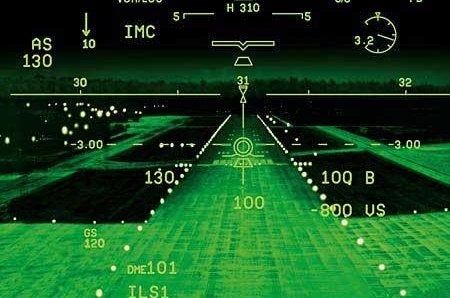
The FAA published a final rule on Tuesday that will allow operators to use an enhanced-vision flight system to descend all the way to the runway, under certain conditions. Currently, the FAA allows pilots to depend on enhanced vision in lieu of natural vision only to 100 feet above the runway, and only under certain straight-in landing procedures. The new rule requires pilots to be flying straight-in procedures on an instrument flight plan. The rule establishes pilot training and recent flight experience requirements for operators who use the equipment, and the aircraft flown also will be required to meet additional airworthiness requirements.
“The final rule takes advantage of advanced vision capabilities, thereby achieving the Next Generation Air Transportation System (NextGen) goals of increasing access, efficiency, and throughput at many airports when low visibility is the limiting factor,” the FAA said. “Additionally, it enables EFVS operations in reduced visibilities on a greater number of approach procedure types while maintaining an equivalent level of safety.” The new rule will take effect March 13, 2017.

