
















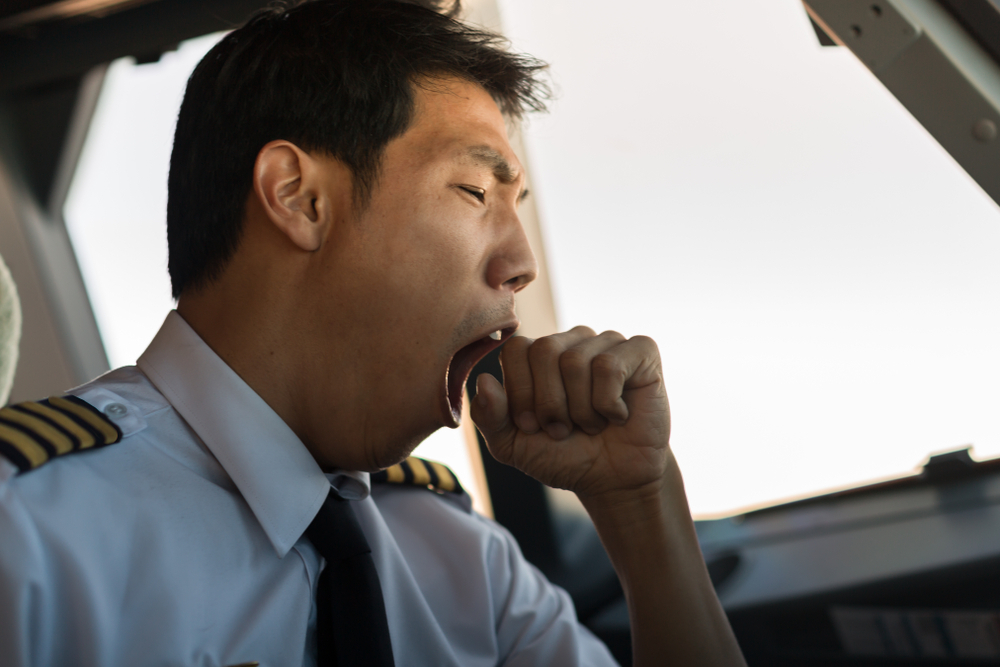

A coalition of aviation organizations is urging the FAA to make clear that federal regulations governing flightcrew duty and rest requirements take precedence over state and local laws.
The comments were submitted in response to an FAA proposal aimed at establishing federal preemption over state and local meal and rest requirements for airline flightcrews and flight attendants. The agency’s proposal focuses on Part 121 operations, but the aviation groups want the final rule to cover a broader range of operators.
The coalition argues that flight and duty time, rest and related requirements are areas that require a uniform national standard. Allowing individual states and local governments to impose separate requirements, the groups said, could create conflicting obligations for operators and crews that cross state lines.
The organizations also raised concerns about the potential operational consequences of differing requirements, including increased compliance costs and litigation risk. They argued that state-specific rules could make it more difficult for operators to manage crews and respond to operational disruptions or emergencies.
The coalition’s position is opposed by a group of state attorneys general, who filed separate comments urging the FAA not to preempt state meal and rest laws.
Attorneys general from 17 states and the District of Columbia argued that the laws are primarily workplace protections rather than aviation safety regulations and therefore should remain within the states’ authority.
The states also pointed to a 2021 Ninth Circuit decision involving Virgin America. The court found that federal aviation law did not preempt California’s meal and rest break requirements for flight attendants. The attorneys general argued that the FAA’s proposed rule cannot be used to circumvent that decision.
They also rejected the FAA’s argument that state requirements would create an unworkable regulatory patchwork. The states said the laws generally establish relatively straightforward requirements, including 20- or 30-minute meal periods and, where applicable, 10-minute rest periods for each four hours worked.
The aviation coalition includes the National Business Aviation Association (NBAA), Aircraft Owners and Pilots Association (AOPA), Experimental Aircraft Association (EAA), General Aviation Manufacturers Association (GAMA), National Air Transportation Association (NATA) and Vertical Aviation International (VAI).


What need is the State ruleset fulfilling, that is not covered or is inadequate in the Federal rules? This would be a good time to close those “holes” in the rules, such as what defines an hour of work, that may be rendered void as an airline can define any time prior to passengers boarding as non-work time (and the FA doesn’t get paid for that time), which seems ridiculous.