
















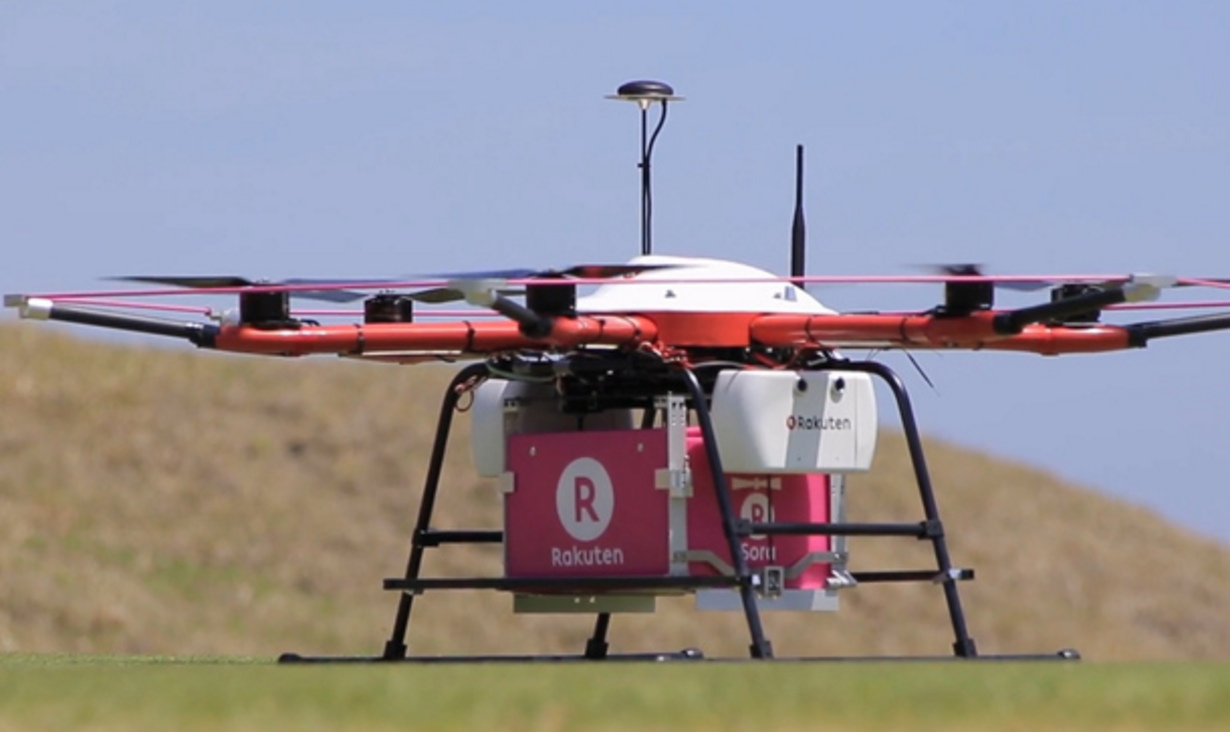
The FAA today published its final rule for the commercial use of small drones under 55 pounds. The rule requires commercial drone operators to be at least 16 years old, pass a security background check and hold a “remote pilot certificate,” which can be attained by passing an “initial aeronautical knowledge test” at an FAA-approved test center. Operators also can qualify if they have a current FAA pilot certificate and take an online UAS course from the FAA. “With this new rule, we are taking a careful and deliberate approach that balances the need to deploy this new technology with the FAA’s mission to protect public safety,” said FAA Administrator Michael Huerta.
The rule includes a number of restrictions. Operators must always have their drone within sight, and fly only one drone at a time. Flights are restricted to sunrise to sunset, but are OK’d for up to 30 minutes before or after if the drone is equipped with anti-collision lights. The maximum allowed altitude is 400 feet above the ground or a structure. The maximum flight speed is 87 knots (100 mph). Industry reaction has been mixed so far, with some users finding the new rules manageable for their missions, while others will continue to advocate for greater flexibility. For example, Amazon’s plans to use drones for home package delivery won’t be possible under the new rule, according to The Wall Street Journal.
Huerta said today’s rule is “just our first step.” The agency already is working on additional rules that will “expand the range of operations,” he said. The new rule could generate more than $82 billion for the U.S. economy and create more than 100,000 new jobs over the next 10 years, according to the FAA. The rule takes effect in August.

