














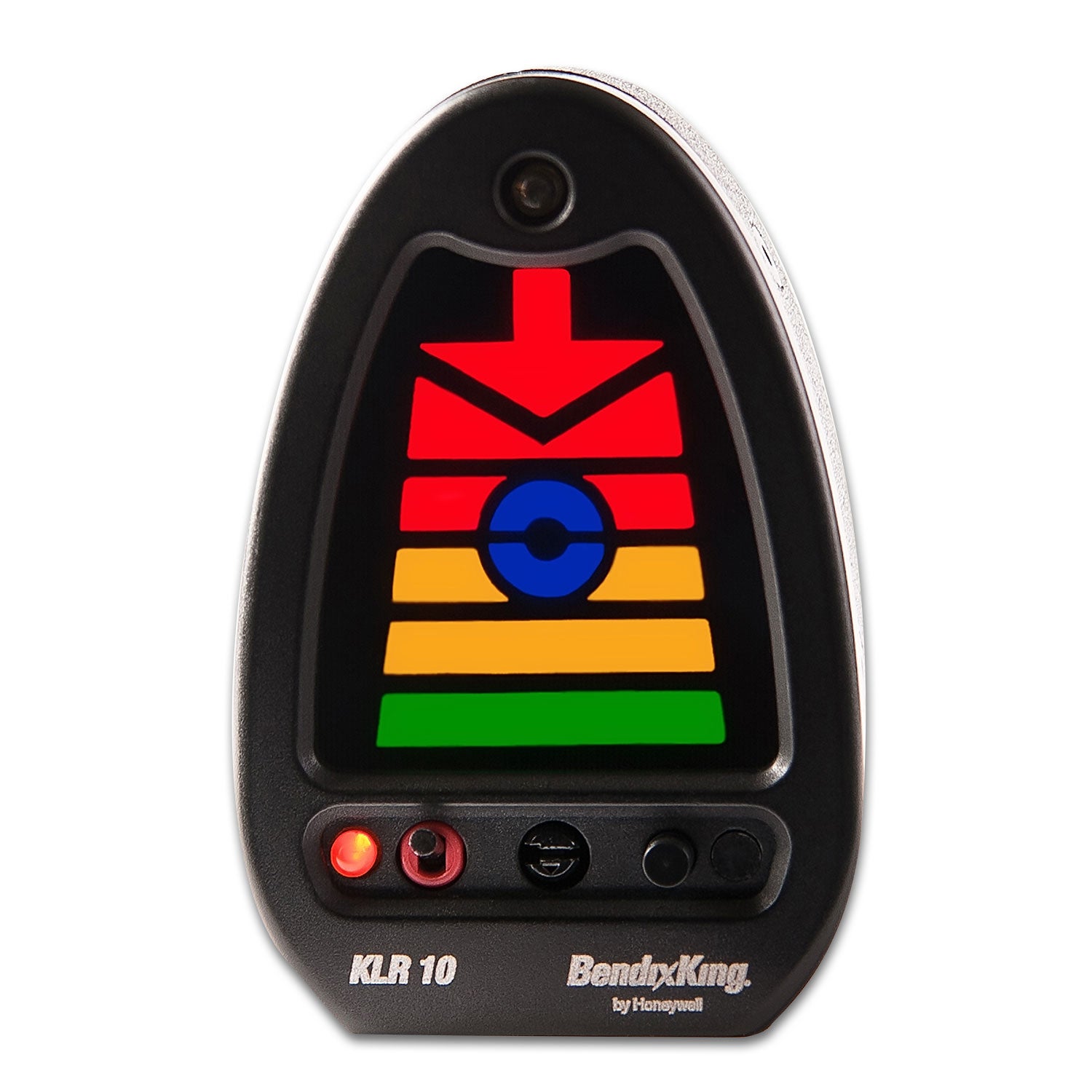
The Federal Aviation Administration took an important step on Feb. 5 to help improve safety in small aircraft by simplifying design approval requirements for angle of attack (AOA) indicators. AOA indicators give a precise indication of the angle between the wing and the relative wind, which provides critical information to the pilot regarding the lift being generated by the wing and how close the wing is to its critical angle of attack-at which it stalls and departs from controlled flight. It is considered a more reliable instrument than the airspeed indicator for providing precise information for maneuvering at low speed, on approach to landing and climbout after takeoff. Safety is our top priority, and with todays announcement we are improving safety by streamlining regulations and cutting red tape-a win-win situation, said U.S. Department of Transportation Secretary Anthony Foxx.
Although AOA indicators have been available for some time, the effort and cost associated with gaining installation approval has limited their use in general aviation. The streamlined requirements are expected to lead to greater use of the devices and increased safety in general aviation. Under the new policy, manufacturers must build the AOA indicator system according to standards from the American Society for Testing and Materials (ATSM) and apply for FAA approval for the design via a letter certifying that the equipment meets ATSM standards and was produced under required quality systems. The FAAs Chicago Aircraft Certification Office will process all applications to ensure consistent interpretation of the policy. The FAA believes this streamlined policy may serve as a prototype for production approval and installation of other add-on aircraft systems in the future.