
















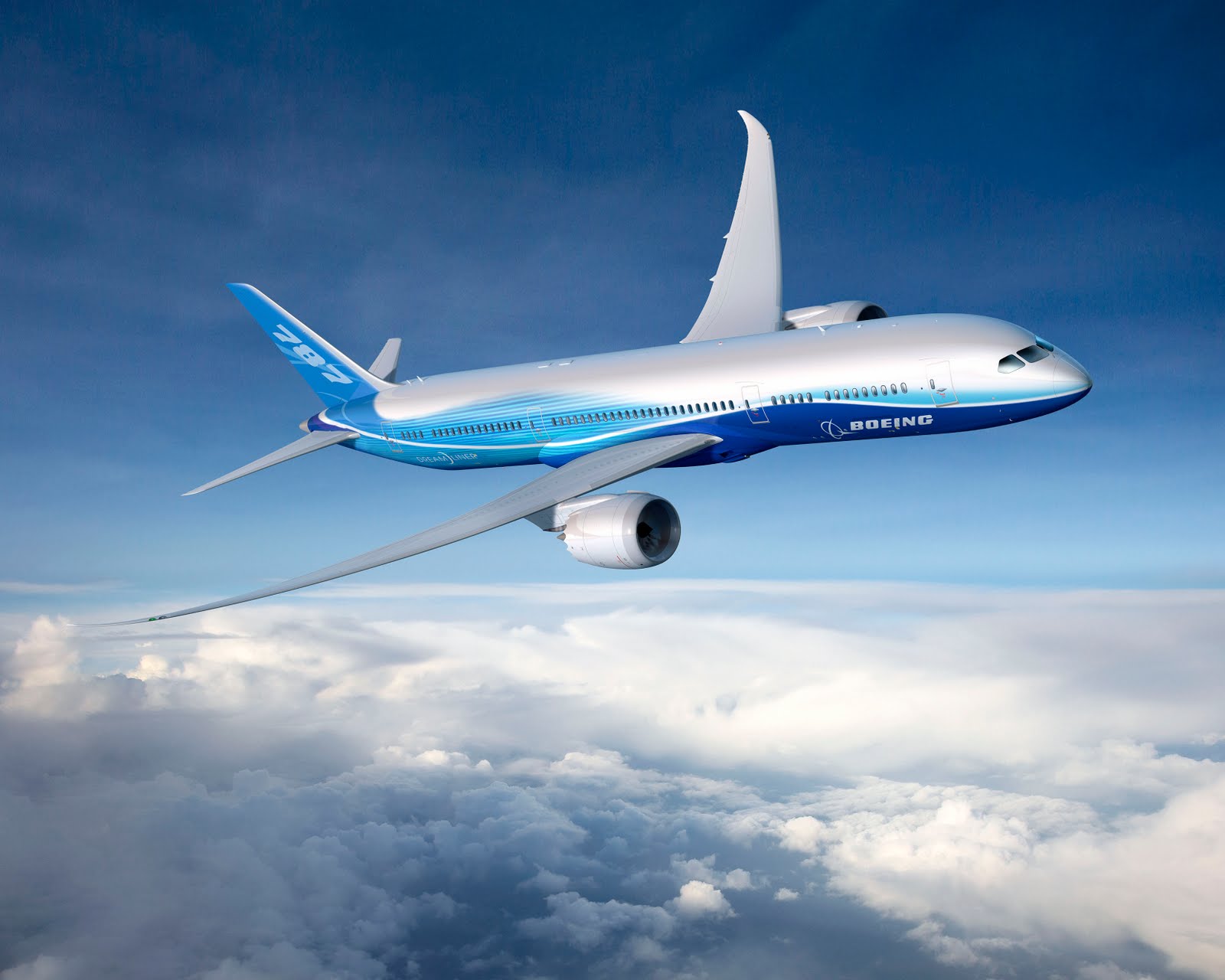
FlyersRights.org, an airline passenger advocacy organization, has released a statement expressing criticism of the FAAs Extended range Twin Operation (ETOPS) approval for the Boeing 787 and the 787-9 for up to 330 minutes flying time from a primary or alternate airport. It allows the aircraft to be used over routes traditionally reserved for three- and four-engine airplanes. FlyersRights.orgs statement said that traditionally, ETOPS approval beyond 2 hours is not granted until an aircraft has had at least two years of trouble free operations, and that this FAA approval came only one week after the National Transportation Safety Board (NTSB) issued a warning that the 787 battery certification was deficient. There are various levels of ETOPS certification for twin-engine aircraft, starting at 180 minutes, and are based on flying time, not distance, to a suitable airport. A double engine failure beyond gliding distance of land means a water landing, leading to the black aviation humor assertion that ETOPS stands for Engines Turn Or Passengers Swim.
FlyersRights.org said that the new certification will allow flights over empty areas of the Pacific and Indian oceans, as well as polar regions with no emergency landing zones for thousands of miles. “The recent NTSB report and the numerous safety related incidents since April 2013, including a world-wide grounding are clearly reliability and safety issues. Allowing the 787, a two engine aircraft with many unique features, to fly nonstop thousands of miles from the nearest landing zone is an unprecedented step,” said FlyersRights.org president, Paul Hudson. Mr. Hudson is a member of the FAA Aviation Rulemaking Advisory Committee, representing airline passenger interests on safety matters, and has asked the FAA for documentation supporting its unprecedented approval of extended operations beyond two hours from the nearest landing zone.

