
















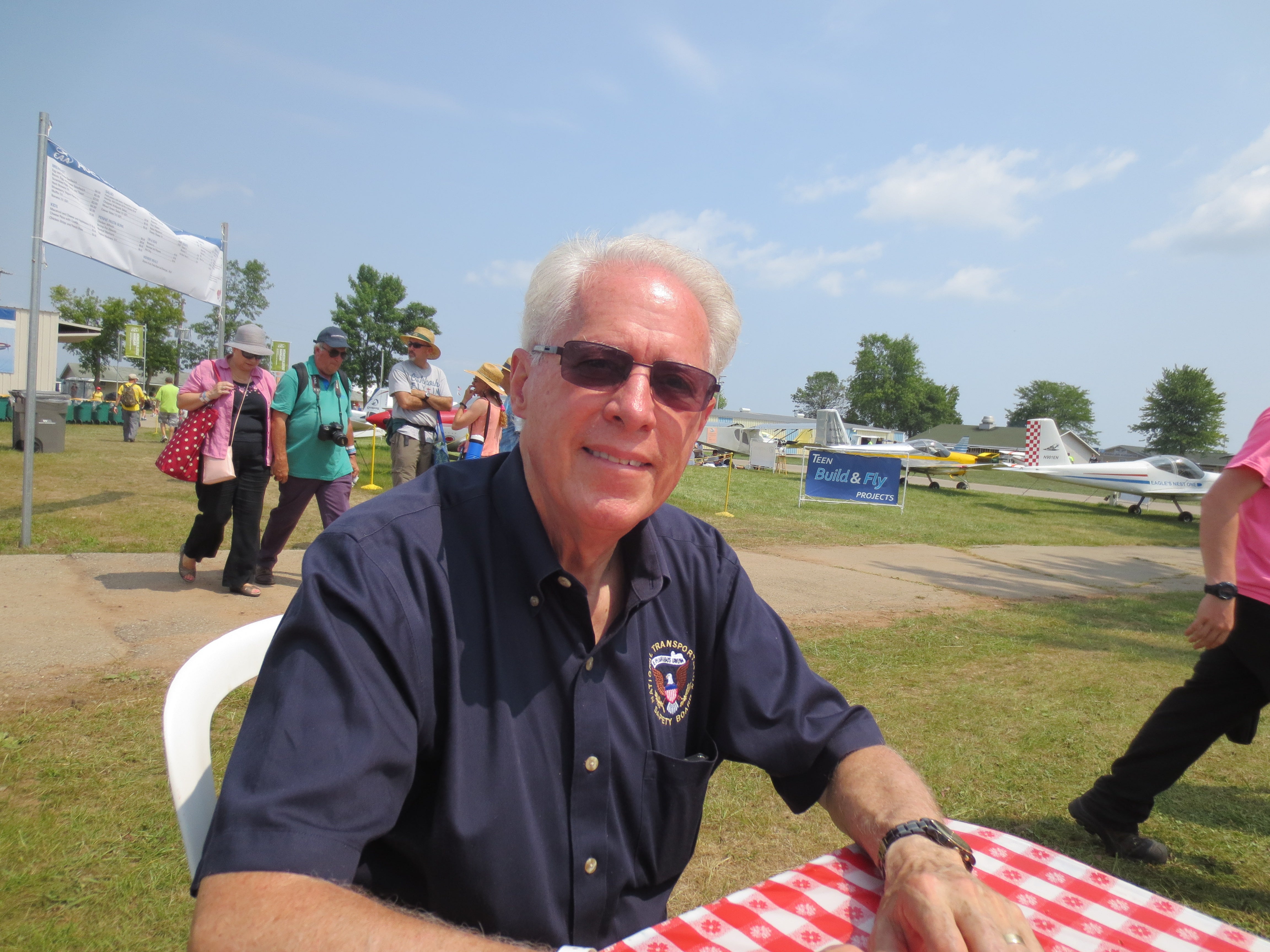
NTSB Board member Earl Weener sat outside at a caf at AirVenture with AVwebs Rick Durden to talk about what the NTSB does, his background in aviation and some of his thoughts on improving aviation safety. Weener holds a Ph.D. from the University of Michigan, one of three degrees he earned at that institution while working his way through school flight instructing and flying charter. Before being appointed by the president to the board, he spent 24 years in engineering positions at Boeing and was a Foundation Fellow for the Flight Safety Foundation. He flies a B36TC Bonanza and still holds a flight instructor certificate. Weener explained that the purpose of the NTSB in the aviation sector is to investigate accidents, make determinations as to cause and make recommendations to the FAA and aviation organizations regarding areas where safety could be improved. It does not have the authority to compel action-therefore Weener said that recommendations it makes must be well supported to be taken seriously and result in safety improvements.
In a discussion regarding specific safety improvements that can be made to an airplane, Weener said that the NTSB has noted the benefits of seat belt airbags and that they have been successful in reducing injuries and deaths in accidents. He stated that about three years ago the NTSB did an involved study on accident survivability and the data showed that the best single thing an aircraft owner can do to improve the safety of her or his airplane is to install shoulder harnesses. When asked whether the NTSB might recommend to the FAA that it require that pilots must have time in actual instrument conditions as a prerequisite for the instrument rating, Weener was not willing to go so far as to recommend that the FAA take action. He did, however, point out that loss of control accidents often involve instrument pilots with little time in actual IMC and that it was a good idea that a pilot get time flying in the clouds during the course of instrument training.

